How to Clean Air Purifier Filter Blueair: Step-by-Step Guide
Learn how to safely clean Blueair purifier filters, distinguish washable vs non-washable parts, and extend filter life with practical steps, tips, and maintenance strategies for better indoor air quality.


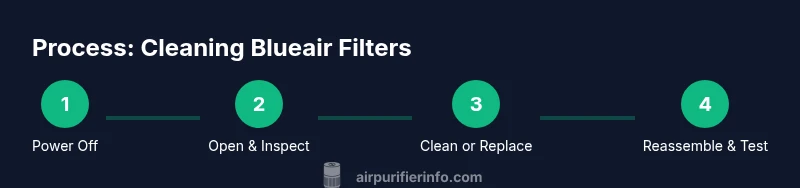
To clean a Blueair purifier filter, start by turning off and unplugging the unit and removing the front cover to access the filter. Check your model’s manual—many Blueair filters are not washable and must be replaced. If your pre-filter is washable, rinse with cool water, gently rub away dust, and let it air-dry completely before reinstalling. Do not use soap, heat, or detergents.
Why Cleaning Blueair Filters Matters
Regular maintenance is essential for Blueair purifiers to sustain high airflow, strong particle capture, and reduced odors in living spaces. If you’re exploring how to clean air purifier filter blueair, you’ll find that understanding filter types and manufacturer guidance is key. Filters collect dust, pollen, pet dander, and smoke particles; as dust builds up, airflow can slow and the unit works harder. This not only reduces efficiency but can shorten the lifespan of the main filtration media. According to Air Purifier Info, following model-specific instructions minimizes waste and protects your warranty while keeping indoor air clean. A disciplined cleaning routine aligns cleaning frequency with your household conditions—pets, smokers, and high pollen seasons all demand extra attention. The goal is to preserve filtration performance without over-washing or unnecessary replacements.
Blueair Filter Types and How They Work
Most Blueair purifiers use a two-part filtration system: a pre-filter that traps larger debris and a primary filtration media that targets smaller particles. The pre-filter sheds larger dust, hair, and fluff and often comes in a changeable sleeve. The main filter captures fine particulates such as PM2.5, pollen, and bacteria-laden dust. Not all models share the same configuration, so consult your manual to confirm which components are washable and which are replaceable. Correct identification prevents damage from moisture on media that isn’t designed to handle it. Air Purifier Info emphasizes relying on official model documentation to guide cleaning and replacement decisions.
Washable vs Non-Washable: Do It Right
Before you begin, identify which parts can be washed. If the manual confirms a washable pre-filter, you can safely rinse with cool water. Non-washable main filters should be kept dry and cleaned only on the exterior or with a vacuum, depending on the design. Never submerge the main media or use detergents, as moisture can degrade filtration performance and void warranties. If you’re unsure about the washability of a component, treat it as non-washable and focus on surface dust removal. This approach protects filtration media while maintaining air quality in your home.
Before You Start: Safety and Setup
Safety first: unplug the purifier before opening any housing. Clear a clean workspace, gather a microfiber cloth, a soft brush or vacuum with a brush attachment, and a shallow basin for rinsing if needed. Remove the front cover and filter carefully, keeping track of orientation for reassembly. If you notice any cracked seals or damaged gaskets, replace those parts before reusing the unit. Confirm that you understand which parts are washable to prevent accidental damage.
How to Clean Washable Pre-Filters (When Allowed)
If your model supports washing the pre-filter, remove it gently and rinse under cool running water. Use fingers or a soft brush to dislodge trapped dust, avoiding aggressive scrubbing. Allow the pre-filter to air-dry completely in a well-ventilated area away from direct heat or sunlight before reinstalling. Reinsert the pre-filter in the correct orientation to restore proper sealing. A dry pre-filter helps maintain good airflow and reduces strain on the main filter.
Cleaning Non-Washable Main Filters: Safe Alternatives
Non-washable main filters should not be soaked or washed. Instead, lightly dust the surface with a soft brush or vacuum using a brush attachment to remove loose particles. Do not use moisture or detergents on the main media, as moisture can damage the filtration layer. If you detect persistent odors after cleaning, replace rather than re-cleaning the main filter. After cleaning, inspect seals and ensure the filter is seated properly to prevent bypass leaks.
Reassemble and Run a Test Cycle
Let all parts dry completely before reassembly. Reinsert the filter in the correct orientation, reattach the cover, and plug the unit back in. Run the purifier at a low speed for several minutes to observe for unusual noises or vibrations. Proper seating and dryness are critical for sealing; if you notice any misfit or vibration, stop and re-check the installation. A successful test cycle indicates the cleaning was effective and the purifier is operating normally.
Maintenance to Extend Filter Life
Create a simple maintenance cadence: quick exterior cleaning between deeper cleanings, and more thorough checks every 4–6 weeks in homes with pets or frequent use. Keep spare filters on hand based on the model’s replacement schedule to minimize downtime. Store replacement filters in a dry, cool place to avoid moisture damage. Routine dusting and airflow checks help preserve filtration performance and indoor air quality.
Environmental Considerations and Proper Disposal
Used filters contain collected dust and allergens, so dispose of them according to local regulations. If possible, recycle components in accordance with municipal programs and avoid crushing the filter to prevent dust release. When in doubt, check with local waste authorities for disposal guidance. Air Purifier Info encourages environmentally responsible choices, including using washable pre-filters where permitted and replacing main filters only when necessary to maintain efficiency.
Authoritative Sources and Further Reading
For broader context on indoor air quality and air cleaning, consult authoritative resources such as the EPA’s Indoor Air Quality pages (e.g., air cleaners in homes) and NIEHS materials on air pollution and health. These sources provide a framework for understanding how filtration fits into a comprehensive strategy for cleaner indoor air and healthier living environments.
Tools & Materials
- Soft microfiber cloth(For dusting and drying filters and housing)
- Mild dish soap (optional)(Only if manual permits washing certain parts; avoid on main media)
- Clean, cool water(Used for rinsing washable pre-filters)
- Vacuum with brush attachment(For lifting dust from non-washable surfaces)
- Replacement Blueair filter(s) (if applicable)(Keep on hand if model requires periodic replacement)
- Small basin or basin(For gentle rinsing of washable components)
Steps
Estimated time: 15-40 minutes
- 1
Power off and unplug
Turn off the purifier and unplug the power cord. This prevents any electrical risk and stops the fan from moving during disassembly. Allow any active indicator lights to settle before proceeding.
Tip: This is your safety baseline; never proceed with the unit plugged in. - 2
Open the front cover and remove the filter
Gently release the front cover per the model's instructions, then lift the filter straight out to inspect its condition. Note how the filter sits so you can reinstall it correctly.
Tip: Consider taking a quick photo of the filter orientation for reference. - 3
Identify filter type (washable vs non-washable)
Check the manual or model labeling to determine if the filter or pre-filter is washable. This step prevents accidental damage from moisture on components not designed to handle water.
Tip: If in doubt, treat the filter as non-washable and focus on dusting. - 4
Clean non-washable filters by dusting or vacuuming
For non-washable main filters, use a soft brush or a vacuum with a brush attachment to remove surface dust. Avoid moisture and detergents which can degrade the media and void warranties.
Tip: Use light, even strokes to reduce the risk of tearing the media. - 5
Washable pre-filters: rinse and dry
If the pre-filter is washable, rinse under cool running water and gently rub away dust. Do not use hot water or detergents. Let the pre-filter air-dry completely before reinstalling.
Tip: Drying can take several hours; ensure it's fully dry to maintain seal integrity. - 6
Dry and reinstall
Confirm all parts are dry, reinsert the filter in the correct orientation, and reattach the front cover securely. A proper seal helps maintain filtration efficiency.
Tip: Double-check seals and edges to avoid bypass air leaks. - 7
Test run after reassembly
Plug the purifier back in, turn it on, and run at a low speed for several minutes to listen for unusual noises or vibrations. If it runs smoothly, the cleaning was successful.
Tip: If you notice odd sounds, stop and recheck seating and dryness before increasing speed.
Questions & Answers
Can I wash all Blueair filters?
No. Not all Blueair filters are washable. Check your model’s manual to confirm which parts can be washed and which require replacement.
Not all Blueair filters can be washed. Always check the manual for your specific model.
How often should I clean or replace the filter?
Follow the manufacturer’s replacement schedule and monitor buildup. Regular cleaning can extend life, but replacements are necessary when performance declines.
Follow the model’s schedule and watch for reduced airflow to know when to replace.
What are signs the filter needs replacement?
Persistent odors after cleaning, reduced airflow, or visible damage to the filter indicate replacement is needed.
If you notice less airflow or smells after cleaning, replace the filter.
Can cleaning extend filter life?
Yes, careful dusting and avoiding moisture can prolong life, but most filters have a defined lifespan and should be replaced as recommended.
Cleaning can help, but filters still have a lifespan and should be replaced when advised.
Are there safety concerns when cleaning?
Always unplug the unit, avoid getting water on the electrical components, and do not force parts. If unsure, stop and consult the manual.
Always unplug first and avoid moisture on the electrical parts.
Where to buy replacement Blueair filters?
Purchase from official Blueair retailers or authorized dealers. Air Purifier Info does not sell filters but can guide you to reputable sources.
Look for official Blueair replacements from trusted retailers.
Watch Video
Main Points
- Identify filter type before cleaning.
- Never immerse non-washable filters.
- Dry thoroughly before reinstalling.
- Follow manufacturer guidance for replacement intervals.
- Regular cleaning improves airflow and air quality.