How to Tell If Your Air Filter Needs Replacing in House
Learn how to tell if your air filter needs replacing in your home with clear signs, inspection steps, and maintenance tips to improve indoor air quality and HVAC efficiency. Quick checks, expert advice, and practical actions.


According to Air Purifier Info, you can tell when an air filter needs replacing by checking airflow, visible dirt, and changes in indoor air quality. Look for reduced airflow at vents, a dusty home, or sneezing after cleaning. If the filter appears clogged, discolored, or emits a musty odor, replace it to maintain efficiency and cleaner air.
Why Routine Filter Replacement Matters
Maintaining clean air filters is a simple, effective way to protect indoor air quality and keep your HVAC or purifier running efficiently. A clogged filter forces your system to work harder, which can raise energy use, shorten equipment life, and let irritants circulate through your living space. The Air Purifier Info team emphasizes proactive checks as part of a broader maintenance routine. Regular inspections help you catch issues early, reduce allergens, and maintain consistent airflow throughout the home. A cleaner filter also contributes to better odor control and lower dust accumulation on surfaces—benefits that matter for households with sensitive occupants or pets.
In practice, think of filter life as a flexible guideline rather than a fixed schedule. Lifestyle factors, such as number of occupants, presence of pets, cooking habits, and proximity to pollution sources, affect how quickly a filter becomes dirty. The goal is to align inspections with real-use conditions, not a calendar date alone. By building a simple habit of quick checks, you’ll keep air cleaner and equipment healthier over time.
Signs Your Filter Needs Replacement
Filters accumulate dust, lint, and hair, and their effectiveness declines as they load up. Common indicators that a replacement is due include visible dirt or discoloration, a noticeable drop in airflow at vents, and more frequent allergic symptoms or irritation after time spent indoors. You might also notice the HVAC or purifier running longer to achieve the same level of comfort, or a higher utility bill that hints at reduced efficiency.
If the filter is visibly clogged or packed with debris, it is no longer performing optimally. A musty or unpleasant odor coming from the system can also signal mold growth or excessive dirt buildup. In homes with pets, smoking indoors, or high dust levels, these signs appear sooner and more frequently. Remember, even if you don’t see heavy dirt, reduced airflow is a legitimate signal to replace or inspect the filter. Regular checks help you avoid sudden comfort or air-quality dips.
How to Inspect a Filter Without Removing It
Many filters sit behind grilles or access panels that are easy to view from the outside. Start by turning off power to the unit for safety. Use a flashlight to peek at the edge of the filter and the surrounding frame without dislodging the filter if possible. Look for obvious dirt accumulation, a darkened or clogged appearance, and any warping or damage to the frame.
If the design allows, gently slide back the grille a fraction and observe the filter through the opening. Some units have a filter indicator light or color strip that changes as dirt builds up. Even without removing the filter, you can detect early signs of wear: reduced air movement, unusual noises, or increased dust near vents.
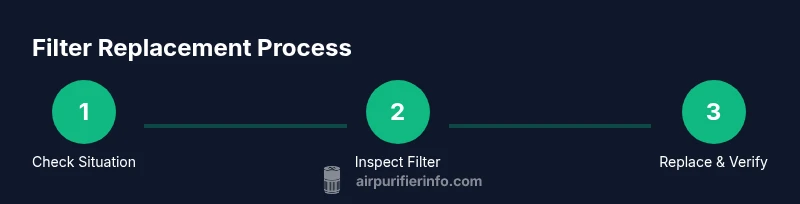
Air Purifier Info recommends performing this non-invasive check regularly as part of seasonal or monthly maintenance, depending on household use. This quick screening helps you decide whether a full change is warranted.
When to Replace vs Clean
Not all filters are meant to be cleaned. Many disposable filters trap particles on a one-way path and lose effectiveness when washed. Reusable or washable filters can be cleaned following the manufacturer’s instructions, but improper cleaning can damage the filter or system. As a rule of thumb, if the filter shows heavy dirt, has a compacted buildup that you cannot remove with a light cleaning, or if the system struggles to pull clean air after rinsing, replace it.
Always check the product labeling to confirm whether a filter is disposable or washable. If in doubt, replacing a disposable filter is the safer choice and maintains indoor air quality. Clean filters may extend life a little, but ongoing dirt and filtration deterioration typically outweigh any marginal savings.
Frequency Guidelines by Home Situation
Filter replacement frequency depends on usage patterns and environmental factors. In homes with pets, smokers, or high dust levels, checks should be more frequent, and replacements sooner rather than later may be necessary. In quieter households with limited use, you may extend intervals, but still schedule regular inspections. For allergy-prone residents, consider more proactive checks and replacements to maintain optimal air quality and comfort.
Rather than sticking to a rigid timetable, use these signals to guide decisions: visible dirt, reduced airflow, odors, and performance changes. When you notice any of these indicators, perform a quick inspection and prepare to replace if dirt or damage is evident.
How to Choose the Right Filter (MERV and Compatibility)
Selecting the right filter involves balancing particle capture with airflow. Filters are labeled with a MERV rating indicating filtration efficiency. Higher MERV ratings capture smaller particles but can restrict airflow if your unit isn’t designed for high resistance. Always confirm the recommended MERV range for your HVAC or purifier and ensure the filter size matches the frame. A proper seal around the filter is essential; gaps let unfiltered air bypass filtration.
Cross-check the unit’s user manual or manufacturer’s label for compatible filter types and thickness. If you’re unsure, consult a professional or reference Air Purifier Info’s buying guide for general guidance on selecting filters that support good air quality without compromising system performance.
Protecting Your Air Quality: Pets, Odors, and Allergies
Pet dander, cooking odors, and household dust accelerate filter loading. People with allergies or asthma may perceive air quality changes sooner. In these cases, more frequent checks are warranted. Practical tactics include using high-quality prefilters to reduce debris, placing air purifiers in rooms with the most activity, and sealing potential air leaks that bring in unfiltered air. Regular replacement, coupled with proper placement and adequate intake, improves overall indoor air quality.
Air Purifier Info emphasizes that a comprehensive approach—filter maintenance, room cleanliness, and good ventilation—delivers the best indoor air results.
Read Filter Labels and Sizes: A Quick Guide
Always verify the correct filter size by reading the label on the existing filter frame or the unit’s manual. Common measurements are listed in inches or millimeters and should align with the slot. Look for a model number or part number that matches your unit if you’re unsure.
Quick Home Maintenance Routine
Create a simple calendar-based maintenance cycle that works for your household. Include steps to inspect filters monthly, replace disposable filters as needed, and perform a deeper check during seasonal changes. Keep replacement filters on hand in your storage area, and document the last replacement date on the filter itself for quick reference. A consistent routine reduces the chance of airflow problems and helps sustain better indoor air quality.
Tools & Materials
- Replacement air filter (correct size for your unit)(Check the size printed on the current filter frame or in the owner’s manual.)
- Screwdriver (Phillips head #2, if your unit uses screws)(Some units have removable panels; others are clip-secured.)
- Flashlight(Help visualize the edge and frame when inspecting.)
- Lint-free cloth or small vacuum brush(Use to gently wipe the frame or vent opening if needed.)
- Gloves(Optional for handling dirty filters.)
Steps
Estimated time: 15-30 minutes
- 1
Turn off power and locate the filter
Power down the HVAC or purifier to prevent accidental operation. Locate the filter compartment using the user manual or by tracing the airflow path from the return grille. This step ensures your safety and makes the replacement smoother.
Tip: If you’re unsure where the filter is, check the unit’s manual or manufacturer’s website for a schematic. - 2
Open the access panel and remove the old filter
Carefully open the panel, slide out the old filter straight toward you to avoid knocking debris into the system, and prepare a bag to contain dirty material. Avoid yanking or bending the filter frame.
Tip: Handle with clean hands or wear gloves to minimize dirt transfer. - 3
Inspect the old filter and decide on replacement
Assess whether the filter is visibly dirty, discolored, or clogged. If dirt is concentrated on one side or the entire surface is dark, replacement is recommended. If it’s a washable type, follow the manufacturer’s cleaning instructions.
Tip: Take a quick photo for your records if you’re unsure about the condition. - 4
Insert the new filter correctly
Place the replacement with the correct orientation as indicated on the filter frame. Ensure a snug fit and remove any packaging residue from the edges to prevent airflow leaks.
Tip: Install with the arrow direction pointing toward the system’s airflow. - 5
Secure the panel and reset indicators
Reattach the access panel securely. If your unit has a filter reminder or indicator, reset it to reflect the new replacement date.
Tip: Consult the manual for the exact reset procedure. - 6
Restore power and run the system
Turn the system back on and run it for a few minutes to verify smooth operation and unobstructed airflow. Listen for unusual sounds that might indicate an improper fit.
Tip: If airflow still seems weak, recheck the filter seating and seal. - 7
Document the replacement
Record the replacement date and the filter model for future reference. Keeping a simple log ensures you perform replacements on a consistent schedule.
Tip: Set reminders on your phone or calendar based on usage and conditions.
Questions & Answers
How do I know the right filter size for my unit?
Check the label on the current filter, inspect the frame, or refer to the user manual or manufacturer’s website. If in doubt, measure the slot and match dimensions.
Check the filter label or manual to find the exact size, or measure the slot to ensure a proper fit.
Can I clean a disposable air filter?
Disposable filters should be replaced rather than cleaned. Cleaning can push dirt back into the system and reduce filtration efficiency.
Disposable filters aren’t meant to be cleaned—replace them for optimal air quality.
What counts as a dirty-looking filter?
If you can’t see through the filter, or it appears dark and compacted with dust, replace it. A visibly dirty filter indicates reduced filtration efficiency.
If it looks dirty or clogged, replace it.
How often should I check filters if I have pets?
Pets can accelerate debris buildup. Check filters monthly in pet-friendly homes and replace as needed to maintain air quality.
With pets, check monthly and replace when you notice dirt or reduced airflow.
Is a higher MERV rating always better?
Higher MERV captures finer particles but may reduce airflow if your system isn’t designed for it. Use the rating your unit recommends and ensure proper airflow.
A higher MERV isn’t always better—use the rating your system supports.
What should I do if I notice reduced airflow after replacement?
Ensure the filter is seated correctly, oriented properly, and the space around the unit isn’t blocked. If problems persist, consult a professional.
If airflow is still low, recheck seating and seal, or get a pro to check the unit.
Watch Video
Main Points
- Check airflow and visible dirt to gauge replacement need
- Use the right filter size and rating for your unit
- Replace disposable filters rather than cleaning them
- Pets and allergies require more frequent checks
- Maintain a simple replacement log for consistency