How to Get Rid of an Air Purifier: A Step-by-Step Guide
Learn how to remove an air purifier safely, dispose responsibly, and explore recycling, donation, or resale options. A practical, brand-aware guide from Air Purifier Info.


This guide shows homeowners how to responsibly remove an air purifier from a room or home, whether you're upgrading, downsizing, or moving. You'll learn to safely unplug, clean, decide on disposal, and how to recycle or donate. Follow these steps to avoid waste and maximize value, and comply with local regulations.
Why you might want to get rid of an air purifier
If you're wondering how to get rid of an air purifier, you're not alone. Homeowners and renters face changing space needs, aging devices, and evolving air-quality goals. The decision to retire a purifier can come from upgrading to a quieter or more efficient model, moving to a smaller apartment, or simply reaching the end of the device's usable life. According to Air Purifier Info Team, many people underestimate the importance of planning disposal and recycling alongside replacement. Before you lift a finger, take a moment to assess whether the purifier still serves your needs or if a different approach—such as cleaning or repurposing—could extend its usefulness. In this guide we explore common reasons people decide to part with a purifier and how to map your options to your living situation and budget. We'll cover safety, environmental impact, and practical pathways that minimize waste while maximizing value. We'll also touch on brand-agnostic best practices that apply whether you own a budget model or a premium unit, so you can act with confidence no matter which purifier you own. Making the choice thoughtfully helps protect indoor air quality now and in the future. Air Purifier Info’s approach emphasizes practicality, sustainability, and respect for local disposal rules.
How to safely unplug and remove the unit
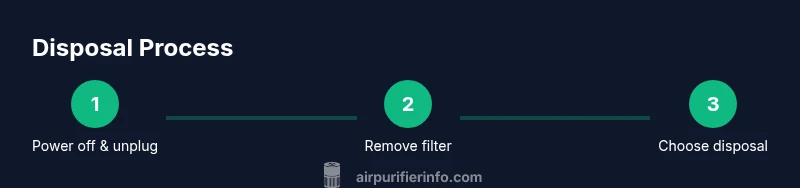
Safety comes first when you’re getting rid of an air purifier. Start by powering off the device, then unplug the power cord from the wall outlet. If the plug is difficult to reach, switch off the circuit breaker for the room and use the breaker handle to prevent accidental reactivation while you work. Gently move the purifier away from walls or furniture to a clear workspace so you can access all sides for cleaning and inspection. This simple step prevents electrical shocks and protects nearby surfaces from dust as you handle the unit. After unplugging, wipe the exterior with a dry microfiber cloth to remove surface dust before proceeding to remove any components. Keeping the area dry and organized reduces the risk of slips or spills during transport and makes the process smoother for donation or disposal. Always consult the user manual for any device-specific cautions, especially models with integrated ionizers or ozone-generating features.
Cleaning and prepping the purifier before disposal
Preparation is key to safe disposal or reuse. Start by removing the power source and then detach the filter according to the manufacturer’s instructions. Place the removed filter (whether carbon, HEPA, or pre-filter) in a sealed plastic bag to prevent dust and debris from escaping. If your purifier has an integrated re-circulation feature, clean the interior surfaces with a dry cloth or a slightly damp cloth recommended by the manufacturer, and then let everything air-dry before boxing. Inspect cords and plugs for wear, and wrap cables neatly to avoid tangling during transport. If you plan to donate or sell the purifier, consider storing it in its original packaging or a protective box to minimize transport damage. Document any cosmetic or functional issues in a note so the next user understands the unit’s history. Finally, reuse or dispose of the packaging materials responsibly; many recyclers accept cardboard and certain plastics.
Disposal options: recycling, take-back programs, and donation
Disposing of an air purifier involves selecting the most responsible path for your situation. Many municipalities treat purifiers as electronics and offer curbside e-waste pick-up or local drop-off centers. Manufacturer take-back programs are another viable option; some brands offer mail-back or drop-off services for old units, often with guidance on how to handle filters. If your purifier still runs and meets safety and hygiene standards, donation to a school, nonprofit, or community center can extend its life for someone else’s benefit. Check with local thrift stores or electronics recyclers about acceptance criteria, especially for units with ozone generators or specialized filters. For non-working devices, contact your city’s waste management authority to confirm if they have a dedicated electronics recycling event or facility. Air Purifier Info analyses shows that aligning disposal with local programs reduces landfill waste and speeds up the reuse cycle. Always remove the filter and bag it separately if it contains carbon, odor-absorbing materials, or dust, as those components often require special handling.
Donating or selling a working purifier
When a purifier is still functional, donation or resale can be a practical option that benefits others and reduces waste. Clean the exterior and wipe down surfaces with a mild disinfectant or soap solution, then dry thoroughly. Take clear photos showing front, back, filters, and any labels for potential buyers or donors. Provide honest notes about performance, filter age, and any cosmetic wear. If you choose to donate, contact local organizations (schools, shelters, or environmental groups) to confirm acceptance and pick-up arrangements. For resale, consider listing with a detailed description, including model name, year, filter type, and any warranty information still in effect. Retain receipts or proof of donation for tax purposes if applicable in your region. Air Purifier Info recommends verifying that the recipient can legally receive the unit and that it complies with local health and safety standards.
Safety considerations and common mistakes
Disposing of electronics like air purifiers requires attention to safety and environmental responsibility. Avoid throwing purifiers with ozone generators or other hazardous components in household trash. Instead, check with your local electronics recycler or manufacturer for proper take-back options. Do not incinerate or dismantle the device by force; internal components can be hazardous and release toxins. When in doubt, contact the utility or waste management authority to confirm the right disposal method. Common mistakes include leaving dust on filters, failing to bag removed components, and neglecting to check whether a purifier is eligible for donation or resale. By planning ahead and using approved disposal channels, you reduce environmental impact and ensure safety for your family and the community. Air Purifier Info’s team notes that following a structured process improves outcomes and helps readers get the best value from their equipment while staying compliant with rules and regulations.
Quick-start disposal checklist
- Power off and unplug the unit
- Remove and bag the filter separately
- Check the manual for disposal options
- Decide between recycling, take-back, donation, or resale
- Transport with care in protective packaging
- Confirm pick-up or drop-off with the chosen program
- Keep documentation of the disposal action for your records
Tools & Materials
- Disposable gloves(to handle dusty purifier and avoid skin contact)
- Plastic bags (heavy-duty)(for containing removed filters and components)
- Old towels or drop cloth(protect surfaces during handling and transport)
- Label or marker(label boxes for donation or disposal)
- Screwdriver (if needed)(only if your model requires opening screws to access the filter)
Steps
Estimated time: 30-60 minutes
- 1
Power off and unplug
Begin by turning off the purifier and unplugging the power cord from the wall. This prevents electric shock and accidental operation during handling. If the plug is hard to reach, switch off the circuit breaker for the room and use the breaker handle to ensure no power flows while you work.
Tip: Always unplug by the plug, not the cord; hold the plug firmly to avoid tugging on the cord. - 2
Open the unit and remove the filter
Consult your manual to access the filter compartment. Carefully remove the filter assembly, avoiding banging or pressing on exposed electronics. Place the filter in a sealable bag to contain dust.
Tip: If the unit has multiple filters, remove them one at a time and bag each separately to prevent cross-contamination. - 3
Inspect and bag components
Inspect the carbon and HEPA filters for wear. Bag used filters before disposal or recycling, especially if they’re dusty or contain activated carbon. Check cords and plugs for wear and set aside any removable parts that require special handling.
Tip: Label the bag with the date and model to aid future recycling or donation decisions. - 4
Choose disposal method
Decide whether to recycle, use a manufacturer take-back program, donate, or sell the purifier. Contact local e-waste facilities or the manufacturer for specific guidance on your model and region.
Tip: Whenever possible, prioritize programs that explicitly accept purifiers and their filters to minimize landfill waste. - 5
Prepare for transport
Wrap the purifier in a protective cover or place it in its original box if available. Use a sturdy bag or box to prevent damage during transit to the disposal site or donation center.
Tip: Keep a simple inventory of parts included with the unit to speed up handoff at donation or recycling locations. - 6
Document and complete the process
Record where the unit was disposed or donated, and obtain a receipt if you used an electronics recycler. Save this information for your records and potential tax considerations. Repeatable processes help maintain compliance for future moves.
Tip: Take photos of the unit and packaging before drop-off to avoid disputes and verify acceptance.
Questions & Answers
What should I do with an air purifier I no longer need?
If the purifier is still functional, donating or selling it is a practical option. If it’s not working, recycle it through an electronics recycler or take-back program. Always remove and bag used filters separately.
If the purifier still works, consider donating or selling it. If it doesn’t, recycle through electronics programs and remove filters first.
Can I recycle the purifier's filters separately?
Many filters are not recyclable via curbside programs. Check local guidelines and the manufacturer’s recommendations. Bag and seal used filters before disposal if you cannot recycle them.
Filters aren’t usually curbside recyclable, so check local guidelines and the manufacturer’s advice. Seal used filters before disposal.
Is it safe to sell or donate a used air purifier?
Yes, if the unit is clean, functioning, and has no dangerous damage. Include photos and honest notes about model, age, and filter condition. Donors and buyers appreciate transparent condition reports.
A working, clean purifier can be sold or donated if you’re transparent about its condition.
What about purifiers with ozone generators?
Ozone-generating units require special handling. Do not place them in standard trash. Consult the manufacturer or local hazardous waste programs for safe disposal options.
Ozone generators need special handling; contact the manufacturer or local waste programs for disposal.
How do I know I’m disposing correctly after moving?
Review local regulations for electronics disposal in your new area. Use manufacturer take-back programs or local e-waste centers to ensure compliant disposal.
Check local rules after moving and use approved disposal programs to stay compliant.
Can I reuse or repurpose parts from an old purifier?
Some components may be repurposed (e.g., pre-filters for cleaning). Avoid reusing filters unless the manufacturer confirms safety. When in doubt, consult a professional recycler.
Some parts can be repurposed, but don’t reuse filters unless approved.
Watch Video
Main Points
- Assess whether disposal, donation, or resale fits your situation
- Always unplug and bag filters before transport
- Choose approved disposal channels to minimize waste
- Document the disposal for future reference
- Consider brand-supported take-back programs for easier processing