How to Make a Homemade Air Purifier: DIY Guide for Clean Indoor Air
Learn to build a safe, effective DIY air purifier with a box fan and standard filters. This guide covers design options, assembly steps, safety tips, maintenance, and how to compare with commercial purifiers for better indoor air.


You can create a simple DIY air purifier using a box fan and a compatible filter, paired with careful safety and setup. This guide explores design options, filter choices, assembly basics, and maintenance, helping homeowners and renters improve indoor air quality from dust, odors, and allergens with an affordable, off-the-shelf approach. Air Purifier Info provides the framework for safe DIY use.
What is a homemade air purifier?
A homemade air purifier is a low-cost, do-it-yourself setup that uses a consumer box fan and an readily available air filter to pull air through a filtration medium. The basic idea is simple: air moves through the filter, trapping particles like dust, pollen, pet dander, and some odors. While it may not match the performance of high-end commercial units, a well-designed DIY purifier can substantially reduce particulate matter in small to medium-sized rooms. The Air Purifier Info team notes that the effectiveness depends on filter choice, airflow, and how well the unit is sealed to prevent bypass. Safety and proper assembly are essential to avoid overheating or unsecured components.
Design options and configurations
There are several practical designs for a homemade purifier. The most common is a box fan with a rectangular filter strapped to the intake side. A second option uses a vented housing to create a tighter seal around the filter, improving airflow through the media. Some builders add a pre-filter to capture larger particles, which extends the life of the main filter, while others experiment with a carbon filter layer for odor control. When choosing a configuration, consider room size, noise tolerance, and whether you want a portable unit or a stationary, semi-permanent setup. Air Purifier Info’s guidance emphasizes simplicity and safety first.
Filter selection basics
Selecting the right filter is the cornerstone of performance. Look for a filter frame that matches the fan intake size, typically around 20x20 inches for common box fans. A higher MERV rating generally means better particle capture, with MERV 13 or higher offering more comprehensive filtration for household dust, pollen, and pet dander. For odors and VOCs, consider a carbon layer, but understand that activated carbon has limited capacity and may require periodic replacement. Ensure the filter is cleanly sealed to prevent air bypass and maintain predictable airflow.
Safety considerations for DIY purifiers
Safety is non-negotiable with any DIY electrical device. Use a fan in good working condition, avoid homemade modifications to the electrical wiring, and never block the fan’s motor cooling vents. Place the purifier on a stable surface away from flammable materials, and do not run it unattended for extended periods without periodic checks. When sealing gaps, use materials that won’t release fumes or degrade with heat, and avoid using high-heat or high-stick adhesives near the motor. If you have young children or pets, position the unit out of reach and consider adding a protective grille.
How airflow and room size relate to purifier performance
Airflow through the filter determines how much air is processed per minute, but room size matters just as much. A purifier with higher airflow can clean a larger volume of air, but excessive noise may be disruptive. A useful rule of thumb is to target a device that can move a significant portion of the room’s air volume per hour without becoming uncomfortably loud. In practice, for small living spaces or bedrooms, a purifier with consistent airflow and minimal bypass will deliver noticeable reductions in dust and pollen over time, especially with regular maintenance.
Materials and sourcing for a DIY purifier
Common materials include a box fan, a compatible rectangular air filter, tape or gasket material, and optional items like a pre-filter or carbon layer. Scissors or a utility knife help tailor the filter to fit, while a simple frame or cardboard sleeve can aid sealing. Many homeowners source components from local hardware stores or reuse filters from other projects, provided the filter media is still effective and fits securely. Always choose non-toxic, heat-resistant materials and avoid anything that emits fumes when warmed by the motor.
Assembly considerations and common mistakes
A well-executed assembly ensures safety and durability. Misaligning the filter, leaving gaps, or bypassing the filter media dramatically reduces performance and can create hotspots near the motor. Avoid over-tightening tape on the intake side, which can restrict airflow, and never attach the filter to the exhaust side unless you want to alter the device’s airflow path. Always check for loose parts and ensure the cord and plug remain accessible. Keep a regular eye on filter condition and replace as needed.
Maintenance, filter life, and replacement
Maintenance is essential to keep a DIY purifier effective. Most filters should be inspected monthly and replaced when they appear visibly dirty or after several weeks of heavy use. The replacement interval depends on room conditions, such as the presence of pets, smoking, or high dust levels. When replacing, ensure the new filter is properly seated, and look for signs of bypass or torn media. Keep the device clean and free of dust buildup around the motor and grill to prolong life.
Odor control and limitations
A basic DIY purifier can reduce particulate odors somewhat, especially those tied to dust and cooking smoke. For stronger or more persistent odors, a specialized odor-control filter with an activated carbon layer is more effective. However, it's important to recognize that a simple setup without bulky carbon media will have limited impact on volatile organic compounds (VOCs). Manage expectations and supplement with proper ventilation for odor-heavy environments.
How to evaluate performance at home
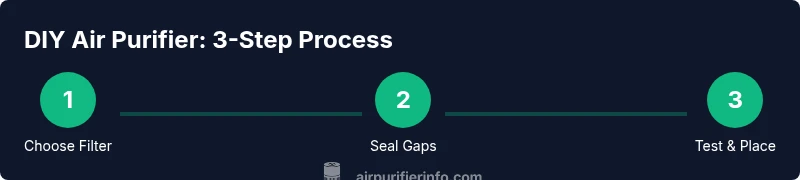
Testing performance at home involves simple checks: observe how quickly air seems fresher after running the purifier, note any changes in visible dust on surfaces, and listen for motor noise changes over time. For a rough, non-technical assessment, you can run a smoke test (utilizing incense or a candle) to see how air passes through the filter and whether the unit pulls air efficiently from the room. Keep measurements consistent and document any improvements over days.
DIY purifier variations for different spaces
Smaller rooms benefit from compact designs with good filtration and low noise, while larger living areas may require multiple units or a higher-capacity setup. For bedrooms, prioritize quiet operation and stable airflow to avoid sleep disruption. In homes with pets or smokers, consider a slightly larger filter and an optional carbon layer for odors. The key is balancing filtration, noise, and energy use while maintaining safety.
Next steps: expanding your DIY toolkit
If you enjoy the DIY approach, you can experiment with adding a second stage filter, a pre-filter to extend main media life, or a carbon layer for odors. Always maintain safety standards and re-evaluate performance after changes. Air Purifier Info encourages readers to document configurations and compare against commercial units to determine the best fit for their household needs.
Tools & Materials
- Box fan (standard 20x20 inch frame)(Ensure grill is intact and motor operates smoothly)
- Rectangular air filter compatible with fan intake(Prefer MERV 13 or higher when possible; thickness 1-2 inches recommended)
- Tape or gasket material(Non-toxic, heat-resistant; used to seal gaps around filter)
- Scissors or utility knife(For trimming filter to fit frame as needed)
- Pre-filter (optional)(Extends main filter life by catching larger particles)
- Activated carbon filter layer (optional)(Adds odor control, not a full VOC filter by itself)
- Protective gloves (optional)(Used during handling and sealing to avoid irritation)
- Safety glasses (optional)(Wear if cutting or handling while cleaning the fan area)
Steps
Estimated time: 20-40 minutes
- 1
Gather and inspect components
Lay out the box fan, filter, and sealing materials. Check that the fan blades spin freely and that the filter media is intact with no rips. Ensure you have a safe workspace and all items within reach before starting.
Tip: Test the fan briefly before assembly to confirm it runs smoothly without unusual noises. - 2
Choose a filtration configuration
Decide whether to use a single filter on the intake or add a carbon layer for odor control. If space allows, using a thicker filter improves particle capture, but ensure it still fits the fan frame.
Tip: A pre-filter helps protect the main media and can be easily replaced. - 3
Measure and trim the filter
Place the filter against the fan intake and trim to fit precisely. Remove any protective packaging and ensure the media sits flat with no folds.
Tip: Use the trim marks on the filter or the fan frame as a guide for accurate cuts. - 4
Seal the interface with tape
Apply tape around the filter edges to seal gaps between the filter and the fan frame. Gaps reduce efficiency by allowing bypass air to flow around the filter instead of through it.
Tip: Apply a continuous seal and avoid over-tightening; air should flow freely through the media. - 5
Secure a protective grille or frame
Reinstall any protective screen over the intake to prevent fingers from touching the fan, especially in households with children or pets. Ensure it does not significantly restrict airflow.
Tip: Check that the grille is firmly anchored and does not vibrate at high speeds. - 6
Position the purifier for optimal airflow
Place the unit on a stable surface away from walls that block intake. A clear space around the intake improves airflow and filtration efficiency.
Tip: Avoid corners or enclosed shelves where air can recirculate rather than pass through the filter. - 7
Plug in and perform a test run
Plug the unit in and listen for smooth operation. Confirm the air appears to move earlier from the intake and that no excessive heat develops after a short run.
Tip: Start with a low fan speed and gradually increase to a comfortable level. - 8
Assess noise and comfort
Note the noise level at your typical usage distance. If needed, adjust placement or reduce speed to maintain a comfortable environment.
Tip: Noise can be reduced by placing the purifier on a soft surface or using a thicker filter with better damping. - 9
Establish a maintenance routine
Schedule regular inspections of the filter and the intake area. Mark a replacement timeline based on use and visible dirt.
Tip: Set reminders to check the filter every 2-4 weeks and replace as needed. - 10
Replace filters as needed
Swap out the filter when it appears dirty or after several weeks of heavy use. This keeps filtration effective and airflow stable.
Tip: Keep spare filters on hand to minimize downtime. - 11
Record performance changes
Document any changes in air quality indicators, odor presence, or surface dust. This helps you decide if you need to upgrade or adjust settings.
Tip: Take photos of surfaces before and after to illustrate improvements. - 12
Upgrade or expand if needed
If room air quality remains unsatisfactory, consider adding a second unit or moving to a purpose-built purifier with a higher CADR rating.
Tip: Compare options using updated needs and space constraints before purchasing.
Questions & Answers
Is a DIY air purifier as effective as a store-bought unit?
DIY purifiers can reduce particulate matter in small to medium spaces when sized correctly and filtered well. They may not match high-end commercial devices in CADR or reliability, but they offer a practical, low-cost alternative that can improve air quality with proper use.
DIY purifiers can reduce particle levels in smaller rooms. For large spaces or high-occupancy areas, a commercial unit may deliver more consistent performance.
What filter rating should I use for a DIY purifier?
Aim for a filter with a high MERV rating that fits your frame, ideally MERV 13 or higher if feasible. A carbon layer helps with odors, but remember it has limited capacity and needs replacement.
A higher MERV rating improves particle capture; carbon helps odors but may require more frequent changes.
Can I use a HEPA filter in a DIY purifier?
Yes, if the HEPA filter fits the frame and you can seal it properly. Ensure compatibility with the box fan and avoid air bypass around the media.
If the filter fits and seals well, a HEPA-style filter can be used in a DIY purifier.
Is it safe to place a DIY purifier in a bedroom?
Yes, provided the unit is quiet enough for overnight use and kept away from the bed where it could be a physical obstacle. Regular maintenance reduces risk of overheating or reduced filtration.
You can use it in a bedroom if it’s quiet and well-maintained.
Will a DIY purifier remove VOCs and strong odors?
A basic setup mainly reduces particulate matter. For stronger gases, add a carbon layer, but expect limited VOC removal compared to dedicated air purification systems.
Particulate filtration helps with dust; for VOCs, you may need a dedicated carbon filter.
How often should I replace the filter?
Check the filter monthly and replace when dirty or after several weeks of heavy use. Replace earlier in dusty homes or households with pets.
Inspect monthly and replace when dirty or after heavy use.
Watch Video
Main Points
- Choose a compatible filter and seal carefully for efficiency.
- Prioritize safety and proper airflow in placement.
- Maintenance drives ongoing performance and air quality gains.
- Compare DIY results with commercial options to fit your space.