How to Make an Air Purifier With a Box Fan
Learn to build a safe, budget-friendly box fan air purifier. This step-by-step guide covers materials, safety, assembly, maintenance, and testing to improve indoor air quality in small spaces.


You will build a simple, low-cost air purifier using a standard box fan and a compatible filter. The goal is to improve indoor air quality in small spaces, reduce dust and odors, and learn a safe, practical DIY approach. You’ll assemble a fan, attach a filter, and test airflow. This guide provides a clear, step-by-step process to complete the project.
What this project aims to achieve and safety upfront
This project demonstrates how to make an air purifier using a box fan and a filter, delivering a compact, low-cost option for improving indoor air quality in small rooms, bedrooms, or apartments. According to Air Purifier Info, such DIY purifiers can reduce circulating dust and expose occupants to milder odors when used correctly. It’s important to treat this as a supplementary measure, not a replacement for medical-grade filtration. The goal is to create a safe, functional unit that moves air efficiently without creating a hazard. Before you begin, unplug the fan, inspect the blades for cracks, and ensure the filter is compatible with your fan’s intake size. Work on a dry surface, away from water or damp environments, and keep clear paths for the intake and exhaust so the device can operate without overheating or tipping. Finally, keep expectations realistic: DIY box-fan purifiers are best for small spaces and short-term use, not large rooms or high-smoke environments.
How box fan purifiers fit into the broader IAQ toolkit
Box-fan purifiers are a practical, low-cost option within the larger indoor air quality (IAQ) toolkit. They don’t replace a certified HEPA purifier, but they can help reduce dust and odors in compact living areas when a full-size unit is impractical. Compared with commercial purifiers, a DIY setup is cheaper upfront, easier to service, and mobile, so you can move it between rooms as needed. However, their filtration quality depends on the filter you choose and how tightly the seam is sealed. For people with heavy allergies or asthma, or for smoky environments, this approach should be viewed as a supplement to a properly specified purifier and good ventilation. Remember that airflow, filter compatibility, and safe mounting are the three pillars of a successful build. Air Purifier Info recommends pairing any DIY device with regular cleaning, clean filters, and mindful placement to maximize benefits while minimizing risk.
Filter selection and compatibility
The most important decisions are choosing the right filter and ensuring it fits your box fan. Look for filters that match the fan’s intake size and depth; many DIY projects use standard 20x20 inch frames, but always measure before buying. A higher MERV rating (for example, MERV 8–13) generally captures more particulates, but higher resistance can reduce airflow, so balance filtration with the fan’s performance. Choose a filter with a snug frame and no gapping around the edges; seal edges with tape if needed to prevent air from leaking between the fan and the filter. If you can, use a filter with a rigid frame rather than a flimsy one that might sag. Finally, avoid using filters designed for vacuum cleaners with metal shrouds or unusual shapes that won’t seal well against a box fan.
Tools and materials you’ll typically need
Preparing the right supplies keeps the project efficient and safe. Essential items include a functioning box fan, a compatible filter, and sealing tape to prevent air leaks. A utility knife or scissors helps you trim a filter edge if necessary, and a marker or measuring tape ensures accurate fits. Optional items include foam gasket material to improve the seal and a light cloth or scrap fabric to create a barrier if direct contact with blades is a concern. For safety, have gloves and eye protection handy, and work on a dry, stable surface. Finally, keep a small trash bag nearby for packaging waste and an old towel to protect surfaces during assembly.
How the assembly concept works
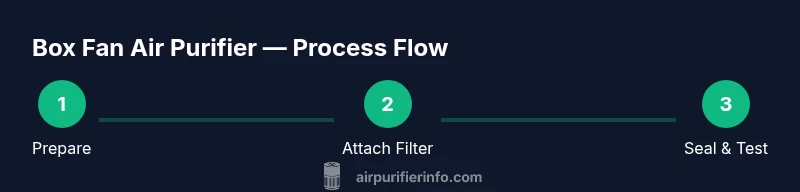
The core idea is simple: the box fan draws air through a filter on its intake side and pushes the cleaned air out the exhaust. The filter blocks particulates, while the fan provides the airflow. The seal around the filter ensures that most air passes through the filter rather than leaking around its edges. This is why alignment and a tight bond matter. In practice, you’ll position the filter in front of the fan’s intake, secure it with tape or a gasket, and test that there are no obvious gaps. A clean fan and fresh filter maximize efficiency, reduce noise, and help maintain a comfortable indoor environment in small rooms.
Testing airflow and safety checks
After assembly, run the unit briefly at a low setting to observe airflow. Check for unusual noises, excessive vibration, or heat buildup; unplug and inspect if anything looks off. Confirm that the filter edge is sealed and that there are no large gaps where unfiltered air could bypass the filter. Keep the purifier away from walls and, if possible, place it on a stable surface with at least a few inches of clearance on all sides to promote good airflow. If you notice a sudden drop in airflow, re-check the seal and filter fit. Finally, never operate near water or in damp areas, and unplug the device during maintenance or when not in use.
Placement, usage, and safety
Location matters for performance and safety. Place the purifier in the room where you spend the most time, away from heavy foot traffic to minimize tipping, and ensure it does not block doors or vents. Position the fan so that the intake faces the open space, not into a wall, to maximize air movement. Avoid running the device while you’re sleeping in a way that could distract or disturb rest; if noise is a concern, run it on the lowest setting or use it for short intervals. Always unplug before cleaning or changing the filter, and store the unit in a dry location when not in use.
Maintenance: replacement and cleaning
Filter life depends on room conditions and use. Check the filter every month in high-traffic spaces and replace it when it appears visibly dirty or when airflow noticeably declines. Clean the fan blades occasionally with a dry cloth to remove dust buildup, being careful not to bend or damage the blades. After replacing a filter, re-seal edges as needed. Keeping the unit clean and refreshing the filter regularly will help maintain performance and prolong the life of the device.
Common mistakes and how to avoid them
Avoid common pitfalls such as using a filter that doesn’t fit tightly, blocking the intake or exhaust, running the unit near water, or operating with a damaged fan blade. Don’t rely on this setup for high-pollution environments or for removing gases; it’s designed for dust and mild odors in small spaces. Always unplug before handling the unit, and ensure you have proper storage and ventilation when the unit is not in use.
Authority sources and next steps
For additional context and safety guidance, consult established IAQ resources such as government and university publications. This project aligns with general recommendations from national IAQ programs and safety agencies, but it is not a substitute for certified equipment where required. To learn more, see the references linked below.
Tools & Materials
- Box fan(Unplug and inspect before use; ensure no damage to blades.)
- Filter (matching fan size, e.g., 20x20 inches)(Choose depth that fits the frame; MERV 8–13 balances filtration and airflow.)
- Sealing tape (duct or painter’s tape)(Seal all edges to prevent leaks.)
- Scissors or utility knife(Trim filter to fit if needed.)
- Marker and measuring tape(Verify exact filter size before purchase.)
- Foam gasket material (optional)(Improves seal if edges are loose.)
- Gloves and eye protection(Safety during handling and cutting.)
- Trash bag(For disposal of packaging and waste.)
Steps
Estimated time: 30-60 minutes
- 1
Prepare the workspace and safety gear
Clear a dry, stable area. Unplug the box fan and put it on its side to access the intake. Put on gloves and safety glasses to protect yourself while handling blades or filters.
Tip: Always unplug before touching any moving parts. - 2
Measure and choose the filter
Measure the fan’s intake opening and select a compatible filter size. If you’re unsure, bring the fan to a store to test-fit; confirm the frame size matches exactly.
Tip: Avoid filters that are too large or too small for the opening. - 3
Cut or trim the filter to fit
If the filter frame is slightly oversized, trim it to fit the intake edge. Work slowly to preserve the frame integrity and prevent tearing.
Tip: Keep edges square for a tight seal. - 4
Attach the filter to the intake
Place the filter on the intake side, ensuring the airflow direction matches the fan’s arrow. Use masking tape to seal the outer edges where the filter meets the frame.
Tip: Seal all gaps to prevent bypassed air. - 5
Check the seal and clearances
Inspect for gaps between the filter edge and the fan housing. Adjust tape or add a thin gasket to eliminate air leaks.
Tip: A good seal improves filtration and efficiency. - 6
Power up and test airflow
Plug in the fan and run on the lowest setting. Check for consistent airflow on the opposite side and listen for unusual noises.
Tip: If airflow is weak, re-check the seal and fit. - 7
Assess placement and risk
Place the unit away from walls and moisture. Ensure it’s stable and won’t tip over when bumped by people or pets.
Tip: Keep a safe distance from sleeping areas if noise is a concern. - 8
Document maintenance needs
Record filter replacement dates and keep a simple log. Mark reminders for monthly checks or when airflow drops.
Tip: A maintenance log helps sustain performance. - 9
Perform a final safety check
Re-check all connections and ensure there are no loose parts. Confirm the unit operates safely without overheating.
Tip: Never operate the unit without a secure filter and sealed edges. - 10
Recycle and dispose responsibly
Dispose of old filters according to local guidelines. Clean the work area and store the tool kit for future use.
Tip: Keep the space organized to avoid misplacing parts. - 11
Optional: upgrade or replace components
If filtration needs increase, consider a higher-MERV filter or adding a secondary filter stage with a gasket.
Tip: Evaluate airflow after upgrades to avoid excessive resistance. - 12
Create a simple maintenance plan
Set a routine: inspect weekly for a month, then monthly thereafter. This keeps performance consistent without surprises.
Tip: A simple plan reduces neglect and maintains air quality.
Questions & Answers
Is a box fan air purifier effective for removing dust in a living room?
A box fan with a filter can reduce dust in small spaces and improve air movement, but it is not as effective as a certified HEPA purifier. It works best as a supplemental measure in well-ventilated rooms.
A box-fan purifier helps with dust in small spaces but isn’t as powerful as a real HEPA purifier.
What filter size should I use with a standard box fan?
Most DIY setups use a standard square filter that matches the fan’s intake, commonly around 20x20 inches, but you should measure your fan before buying and ensure the depth fits.
Most setups use a 20 by 20 inch filter, but always measure your fan first.
Can I use this DIY purifier in a kitchen or smoky room?
This approach is best for reducing dust and light odors in small spaces. It’s not ideal for heavy smoke or volatile organic compounds and should not replace proper ventilation or a certified purifier in such environments.
It’s fine for light odors in small spaces, but not for heavy smoke or strong chemicals.
How often should I replace the filter?
Check the filter monthly in high-use areas and replace when you notice reduced airflow or visible dirt. In low-use spaces, a longer interval may apply, but regular checks are important.
Check monthly and replace when you see dirt or airflow drops.
Is it safe to sleep near a DIY box-fan purifier?
Yes, provided it’s placed away from moisture and keeps a safe distance from sleeping areas. Unplug during long absences or when not needed.
It’s generally safe, but keep it away from moisture and don’t run it close to sleeping areas if noise is an issue.
Watch Video
Main Points
- Build a budget-friendly purifier with a box fan and filter
- Ensure a tight seal to maximize filtration
- Regularly replace filters for optimal performance
- Place the unit to balance airflow with noise and safety
- Maintain the device with a simple upkeep log