Air Filter Sizes Chart: Replacement Guide & Tips for Homes
This in-depth guide explains how to use an air filter sizes chart to identify correct replacement filters, with common dimensions, measurement methods, and practical tips for homeowners and renters.


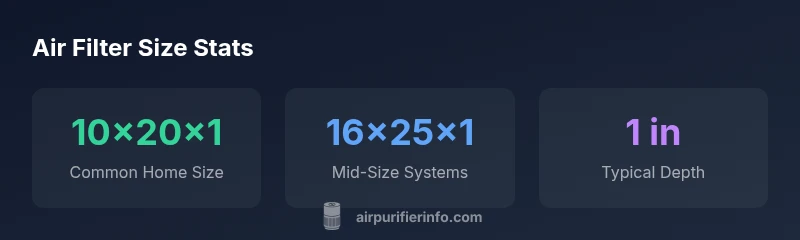
An air filter sizes chart lists standard dimensions (W x H x D) in inches and helps you match replacements quickly for HVAC and purifiers. Common residential sizes include 10x20x1 inches and 16x25x1 inches. Always measure the existing filter and verify the unit label before buying to ensure a proper fit and optimal filtration.
Why an air filter sizes chart matters for households
Accurate filter dimensions are critical for indoor air quality and HVAC efficiency. According to Air Purifier Info, a reliable air filter sizes chart helps homeowners and renters quickly identify the right replacements without guessing. The chart translates model numbers, labels, and product listings into a simple width x height x depth (W x H x D) format, expressed in inches. In practice, most residential units rely on a handful of standard sizes, and a chart saves time by consolidating those options into a single reference. When you know the exact size, you can assess fit, airflow, and filtration efficiency more reliably. This matters whether you’re combating dust and pollen, odors, or pet dander, because wrong-sized filters can create air gaps, reduce airflow, or shorten filter life. For a typical home, investing a few minutes to confirm size before you shop pays off in fewer returns, better IAQ, and less risk of strain on your HVAC blower. In real-world practice, the Air Purifier Info team has observed that many compatibility issues stem from mismatched depth (thickness) or misinterpreted label wording rather than the wrong width x height numbers. Reading the chart correctly begins with a quick hardware check: locate the existing filter, read the frame size directly on the frame, and note any unusual depth or odd measurements that appear in the unit’s manual. A reliable chart will map each size to a common product category, helping you narrow choices from dozens of options. The practical payoff is simple: when you buy the right size, you improve filtration efficiency and extend the life of your HVAC system and purifier.
Understanding standard dimensions and terminology
Filters use a few standard measurements, typically written as Width x Height x Depth in inches. The most important factor is that the frame must fit the slot precisely; even a tiny deviation in depth can cause gaps that bypass filtration. In many discussions, Air Purifier Info emphasizes not only the numbers but also how the filtration media and frame shape influence fit. A basic understanding helps you read product listings more accurately, compare options across brands, and avoid impulse purchases that won’t fit. Common terms to know include “MERV” (the filtration efficiency rating) and “pleated media” (the material layer that traps particles). While the chart focuses on size, a holistic approach also considers the airflow your system can handle. If you select a filter with a higher MERV rating, ensure that the HVAC blower is capable of maintaining adequate airflow without undue noise or energy use. For renters, it’s worth noting that some units are designed to accommodate a specific filter depth only; if you’re unsure, consult the unit manual or contact the landlord. The key takeaway is to treat size and depth as the primary dimensions, with filtration media chosen to align with your IAQ goals. Using a chart as a baseline keeps you aligned with the manufacturer’s expectations and the unit’s airflow dynamics.
How to read a chart and measure your unit
To extract maximum value from an air filter sizes chart, start with a precise measurement. Remove the existing filter and measure the frame from edge to edge for width and height. Then measure the depth (thickness) with a ruler or caliper. If the frame is slightly irregular or the slot is recessed, measure the max inward and outward dimensions and compare them to standard sizes on the chart. When you shop, use the chart to map your measurements to a set of candidate sizes rather than eyeballing a product. For units with continuous airflow or variable-speed fans, consider slightly trimming to fit? No — do not trim; instead, select a size that fits cleanly in all directions while maintaining a good seal. If you’re replacing a pleated filter, the presence of a gasket or foam seal around the frame can add a few tenths of an inch to the effective depth, so account for that in your measurement. Manufacturers often print size information on the filter frame or packaging; some may even include a small label inside the slot mentioning the preferred replacement size. By keeping a quick-reference sheet or photo of your unit’s label, you’ll simplify future shopping trips and reduce the risk of buying the wrong size. Finally, validate fit by reinstalling the filter and ensuring there are no light gaps around the edges when the unit is turned on.
The goal is a tight seal and proper airflow to maximize filtration effectiveness without overworking the fan.
Common sizes by system type and chart examples
When you review an air filter sizes chart, you’ll see categories tied to system type. Residential HVAC systems most often use two sizes: 10x20x1 inches and 16x25x1 inches, though many units vary with depth. Portable air purifiers tend to use smaller frames, such as 7x7x1 inches or 8x10x1 inches, depending on the model. Car cabin air filters frequently come in compact rectangular frames around 8x9x1 inches, while some larger units in apartments use 12x20x1 or 14x20x1 frames. Each category maps to a few typical sizes so you can quickly cross-reference your measurement against the chart. It’s common to encounter “lip-in” designs or nonstandard depth frames, which the chart usually flags as requiring professional assistance or manufacturer guidance. By noting your unit type and the most frequent sizes, you can assemble a small set of go-to replacements to keep on hand. If your chart shows a close size match but not an exact one, compare the fit visually by holding the new filter up to the old one and ensuring the frame aligns with the support rails. In practice, you’ll frequently encounter overlap among brands, which is why a well-constructed chart and a few template sizes can dramatically reduce shopping friction and mis-purchased filters.
How to verify fit and avoid mistakes
Avoiding mistakes begins with a careful verification process. First, confirm the exact frame size on the existing filter—look for printed measurements along the edge or on the filter itself. Second, check the unit’s manual or the manufacturer’s label near the blower compartment to confirm permissible dimensions and depth. Third, measure the replacement option against the frame and compare with your chart’s recommended sizes. If you’re unsure, contact the manufacturer or a qualified HVAC technician; most providers can confirm a compatible replacement quickly based on the unit’s model number. Fourth, beware of filters that claim “universal fit” for a broad range of sizes; these can still fail to seal properly in some slots. Finally, maintain a small reference folder or digital note with your most-used sizes, especially if you manage multiple units in a home. By building a simple habit of confirming size before purchase, you’ll minimize returns and ensure consistent filtration performance across seasons. The chart’s value is in accuracy, repeatability, and clarity when shopping for replacements.
Practical steps for homeowners and renters
To maximize the value of an air filter sizes chart, adopt a practical workflow. Create a one-page reference with your most-used sizes and the corresponding model types you own. When it’s time to shop, measure once, then scan listings for those sizes rather than relying on product photos. Consider keeping a small supply of the most common sizes on hand so you’re prepared for routine maintenance or urgent replacements. For renters, choose filters with readily available sizes in local stores to reduce downtime between replacements. If pets, dust, or allergies are a concern, pair your chart with a higher-efficiency filter tier and a planned replacement schedule, ensuring your HVAC system maintains suitable airflow. Finally, document any differences you notice after changes—if a higher-MERV filter reduces airflow or creates whistling sounds, you may need a different depth or a different model entirely. By aligning your shopping behavior with the chart and your unit’s specifications, you’ll maintain healthy indoor air quality with less effort over time.
Typical air filter sizes for common home systems
| Filter Type | Common Size (inches) | Depth (inches) | Notes |
|---|---|---|---|
| HVAC furnace/central air | 10x20 | 1 | Typical for many homes |
| HVAC filter (extended surface) | 16x25 | 1 | Common in mid-size systems |
| Portable air purifier | 7x7 | 1 | Smaller units |
| Car cabin air filter | 8x9x1 | 1 | Vehicle use |
Questions & Answers
What is the most common air filter size for residential HVAC?
In many homes, the standard HVAC filter size is 10x20x1 inches or 1 inch thick. Always check the unit label and measure the exact frame to confirm.
Most homes use 10x20x1 inches or 16x25x1 inches; verify with your unit label.
How can I determine non-standard sizes when the chart doesn’t show my dimensions?
If the size isn’t listed, measure the frame and compare to standard sizes on the chart. If the slot is uniquely shaped, contact the manufacturer for guidance.
Measure the frame and compare to chart sizes; contact the manufacturer if it’s non-standard.
Do larger MERV ratings require a different size?
MERV rating doesn’t change the size. If the filter fits the frame, a higher MERV option is usually compatible, but confirm airflow considerations with the unit specs.
A higher MERV can fit the same size frame; just mind airflow.
Is it safe to trim or modify a filter to fit a non-standard slot?
Trimming is not recommended because it can create air gaps and void warranties. Use the exact size specified or a clearly compatible option.
Don’t trim—use the right size.
How often should I replace filters in a typical home environment?
Most homes replace filters every 1-3 months, depending on usage, pets, and allergies. Adjust the schedule based on air quality and filter performance.
Most people change every 1-3 months; adjust for pets and dust.
“A well-maintained air filtration setup starts with the right size; a chart isn't decorative—it's a practical tool for reliable indoor air quality.”
Main Points
- Measure accurately before buying
- Check depth and fit against the unit label
- Use the chart to map measurements to standard sizes
- Keep a small stock of common sizes for quick replacements
- Verify the seal to avoid air leaks after installation