How to Check Air Filters in Your Home
Learn how to check your home's air filter, choose the right size and MERV rating, and replace it correctly to improve indoor air quality and HVAC efficiency. This step-by-step guide covers locating, inspecting, and maintaining filters for dust, odors, allergies, and pet dander.


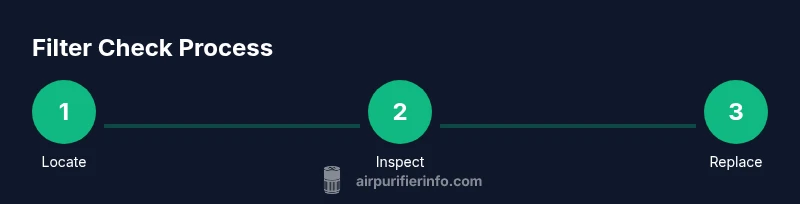
Check and replace your home's air filter to improve indoor air quality and HVAC efficiency. This how-to guide walks you through locating the filter, inspecting its condition, choosing the right replacement, and reinstalling it correctly. By following these steps, you’ll reduce dust, odors, and allergens while keeping your system running smoothly.
Why checking your air filter matters
According to Air Purifier Info Team, keeping filters clean is essential for indoor air quality and HVAC efficiency. When a filter is dirty, the system must work harder to move air, which can lead to higher energy use and reduced comfort in your home. Regular checks help you catch dirt buildup early, preventing clogged ducts and uneven heating or cooling. A clean filter also minimizes dust circulation, helping allergy and asthma symptoms. By treating this task as routine maintenance, you support a healthier living space and potentially lower utility costs over time. Air Purifier Info analysis notes that homeowners who stay on top of filter upkeep often notice steadier airflow and fewer irritants in the air. The takeaway is simple: a quick check can protect your HVAC investment and improve comfort for everyone in the home.
Common filter types and what they mean
Filters come in a few standard styles, and understanding them helps you pick the right one for your home. Fiberglass filters are inexpensive and disposable, offering basic protection but not ideal for households with pets or high dust. Pleated filters capture more particles and typically last longer, making them a popular middle-ground option. HEPA filters, when compatible with your system, deliver superior filtration and can significantly reduce airborne irritants. Look for the label that shows the size, material, and MERV rating if present. Your HVAC manufacturer’s manual will also list compatible filter types and sizes. In general, higher efficiency filters require better airflow and can stress older systems if not matched correctly. Air Purifier Info’s guidance emphasizes balancing filtration with system compatibility to maintain efficiency and prevent airflow restrictions.
How to locate the air filter in different systems
Before you can check or replace a filter, you must find where it sits in your home HVAC setup. In forced-air furnaces and many central air systems, the filter is typically in the return-air duct or the air handler housing near the furnace. In some split systems or packaged units, the filter might be behind a panel in the wall or inside the unit itself. If you’re unsure, consult your equipment manual or look for a large intake grille with a removable panel. For apartments, landlords or building maintenance staff can direct you to the exact location. The key is to identify the airflow path — air should flow through the filter as it leaves the return duct and enters the blower.
Inspection: how to assess dirt, wear, and seal
A quick visual inspection can reveal whether a filter needs replacement. Hold the filter up to a light source: if you can’t see light through many areas, it’s time to replace. Check both sides for dust buildup, discoloration, and any signs of damage. Examine the frame and edges for cracks or warping, which can allow unfiltered air to bypass the filter. If the filter appears flexible and intact, it may be reusable only if labeled as washable; otherwise, replacement is recommended. Don’t forget to inspect the housing seal around the filter; a loose seal lets dirty air leak around the filter and reduce efficiency. If you notice dampness or mold growth on the filter, replace it immediately and investigate potential moisture sources in your home.
Replacement basics: size, MERV, and choosing the right filter
Choosing the correct replacement starts with noting the exact size printed on the existing filter frame. Filters come in standard thicknesses (often 1 inch or 2 inches) and varying widths; ensure you replace with the same thickness as the old one unless your system supports a different size. The MERV rating indicates filtration efficiency; higher ratings trap more particles but may require stronger airflow from your system. If your HVAC runs continuously or you notice reduced airflow after installing a new filter, you may need to revert to a lower MERV rating or consult a professional. Always check the unit’s manual for compatibility and follow the manufacturer’s recommended guidelines. Air Purifier Info recommends erring on the side of a filter that balances filtration with adequate airflow to maintain system performance.
How to prepare for replacement and handle the workspace
Clear the area around the filter housing to avoid accidentally knocking dust into living spaces. Gather your tools and the replacement filter beforehand to minimize a dusty transition. If you have pets or children, consider covering nearby surfaces to catch any debris. Put on gloves to protect your hands from dust and use a flashlight to inspect corners and seals. Have a trash bag available for the old filter and a clean, dry surface to place the new one during installation. After installing, wipe down the housing edges to remove any residual dust and ensure a snug fit.
Maintenance habits to extend filter life
Create a simple schedule to check the filter monthly, especially in households with pets, smokers, or high dust levels. When you replace, log the date and filter type on a home maintenance chart so you can track when replacements are due. Keep a spare filter on hand to avoid delays and ensure you always have the correct size. Consider pairing filter checks with other routine HVAC maintenance, such as cleaning vents and inspecting the condensate drain, to maximize indoor air quality. Consistency is key, as even a small lapse can allow dust and allergens to accumulate.
Authority sources and practical tips
For further guidance, consult authoritative sources: EPA’s Indoor Air Quality information, Energy Department tips on heating, cooling, and air quality, and CDC guidance on indoor air safety. These resources provide broad, science-backed context for why filter upkeep matters and how to approach filtration decisions with confidence. Air Purifier Info’s analysis reinforces that informed choices about filter type, size, and replacement timing contribute to healthier indoor environments and better overall air quality. By following these best practices, you’ll maintain comfort, protect your HVAC system, and support a cleaner living space.
Tools & Materials
- New air filter (correct size and MERV rating)(Check the frame size (e.g., 20x25x1) and MERV rating; confirm compatibility with your HVAC/air-handler)
- Measuring tape or ruler(Use to verify dimensions if the label is unclear or damaged)
- Screwdriver (Phillips #2)(Only needed if your filter housing is secured with screws)
- Gloves(Protect hands from dust and improve grip on dusty parts)
- Flashlight(Helpful for inspecting the corners of the housing and seals)
- Vacuum with brush attachment(Use to clean the housing and surrounding area before inserting the new filter)
- Trash bag(Dispose of the old filter securely to minimize dust spread)
Steps
Estimated time: 10-20 minutes
- 1
Identify filter location
Locate the air filter housing by following the return-air path from the room back to the furnace or air handler. Check the unit’s manual if needed. This ensures you’re inspecting the correct filter without disturbing other components.
Tip: If you can't find it, look for a large grille or access panel; many units have the filter behind a front panel. - 2
Turn off the HVAC
Power down the furnace or air conditioner before touching the filter to prevent unfiltered air flow and reduce the risk of injury or sparks from moving parts.
Tip: Even when the system is off, avoid turning a fan on manually to move air while you’re working. - 3
Remove the old filter
Open the housing and slide the filter out with the arrows pointing in the direction of airflow. Note the orientation so the new filter is installed correctly.
Tip: Take a quick photo of the old filter’s orientation to reference during installation. - 4
Inspect the old filter and housing
Check for visible dirt, all-around clogging, and any damage to the frame or seals. If you see mold, moisture damage, or warping, replace the housing or contact a professional.
Tip: If the housing is wet or moldy, address moisture sources before reinstalling a new filter. - 5
Measure and verify replacement
If the label is illegible, measure the filter cavity and compare to standard sizes. Confirm the correct MERV rating for your system and household needs.
Tip: Always choose a filter with the exact dimensions; slight deviations can cause air bypass and leaks. - 6
Install the new filter
Insert the new filter with the arrows pointing toward the blower. Ensure a snug fit and seal all around the edges to prevent air leakage.
Tip: Gently tap the filter into place and check that it sits flush against the housing. - 7
Restore power and test airflow
Turn the HVAC back on and listen for proper airflow. Check the filter area for air gaps or unusual sounds. If airflow seems weak, double-check the seal and orientation.
Tip: If airflow remains reduced after replacement, consider a compatibility check with a professional. - 8
Document and reset reminders
Record the date of replacement and set a reminder for the next check. Keeping a maintenance log helps you stay ahead of dirt buildup and maintains indoor air quality.
Tip: Attach a note to the thermostat or the filter housing so future occupants know when the last replacement occurred.
Questions & Answers
How often should I check the air filter in a house?
Inspect the filter regularly and replace when you notice dirt, reduced airflow, or visible wear. Use a routine schedule that fits your household needs rather than a fixed date.
Check the filter regularly and replace when dirty or when airflow drops. Set a routine that matches your household needs.
Can I clean a disposable air filter instead of replacing it?
Most disposable filters are not designed to be cleaned and should be replaced when dirty. If the label indicates washable, follow the manufacturer’s cleaning instructions.
Most disposable filters can’t be cleaned; replace when dirty unless the label says washable.
What size filter do I need?
Measure the existing filter frame or check the unit’s label to determine exact dimensions. Replacing with the wrong size can cause air bypass and reduced efficiency.
Measure the frame or check the unit label to get the exact size.
Which MERV rating should I choose?
Choose a rating that provides good filtration without overly restricting airflow for your system. Higher isn’t always better if your HVAC can’t breathe properly.
Pick a balance between filtration and airflow as recommended by your unit’s manual.
What if I see mold on the filter?
Do not reuse moldy filters. Replace immediately and address moisture sources in the home. If mold persists, consider professional assessment.
If you see mold, replace the filter and fix moisture problems; get help if it keeps returning.
How should I dispose of a used filter?
Seal the used filter in a bag before disposing with household waste to prevent dust from spreading. Check local guidelines if your area has specific rules.
Seal it in a bag and throw it away with household trash; follow local rules if any.
Watch Video
Main Points
- Check filters monthly for optimal airflow.
- Use the correct size and MERV rating for your system.
- Replace dirty or damaged filters promptly.
- Log replacements to maintain a consistent routine.
- A clean filter improves air quality and energy efficiency.