Replacement Air Purifier Filters: What to Know in 2026
Explore replacement air purifier filters: types, lifespans, compatibility, costs, and maintenance tips to keep indoor air clean and purifier performance optimal.


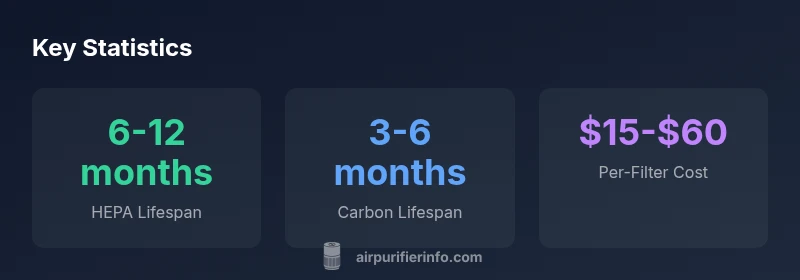
Replacement air purifier filters are crucial for maintaining indoor air quality and device efficiency. For most purifiers, follow the manufacturer’s replacement schedule: true HEPA filters typically last 6–12 months of regular use, carbon filters usually 3–6 months, and pre-filters can go longer but should be checked monthly. Use genuine filters to preserve performance and warranties.
Why replacement air purifier filters matter
Replacement air purifier filters are the invisible workhorse behind clean indoor air. When filters become clogged or degraded, airflow drops, pollutant removal efficiency declines, and the purifier may work harder, consuming more energy and producing more noise. For homeowners and renters, understanding the role of replacement air purifier filters helps you maintain healthier air, manage operating costs, and preserve the device's warranty. This is not just about a fresh scent; it's about allergen reduction, dust control, and reducing VOC exposure in living spaces. In practice, the choice of replacement air purifier filters, and how you install, replace, and maintain them, determines how well your purifier performs across seasons. According to Air Purifier Info, using the right replacement air purifier filters is essential for maintaining performance and indoor air quality. Even with high-quality machines, neglecting filters undermines the purifier's ability to capture particles like pollen, pet dander, and smoke particles. Regular checks, aligned with environmental conditions (pets, cooking, smoking), will help you plan replacements before efficiency falls below acceptable levels.
Understanding filter types and their roles
Every replacement air purifier filters strategy starts with recognizing that different media target different pollutants. The basic family includes:
-
Pre-filters: Large-particle capture and dust collection that protect the main filter. They are often washable or inexpensive to replace, extending the life of more expensive media.
-
True HEPA filters: The core pollutant catcher, removing at least 99.97% of particles down to 0.3 microns. They define the purifier's clean-air performance and are typically the most critical replacement item.
-
Activated carbon filters: Odor and VOC removal, absorbing gases as well as some smoke particles. They complement HEPA media but do not substantially improve particle filtration.
-
Hybrid filters: Combine HEPA with carbon or other media for broad-spectrum performance. Cost is higher, but maintenance intervals may be similar or longer if built to spec.
For replacement air purifier filters, ensure you match the media to your air quality goals, and avoid relying on one filter to cover all needs. When you replace, choose media with appropriate certifications and manufacturer compatibility to maintain efficiency and warranty coverage.
Lifespan ranges by filter type
Lifespan varies by media, usage, and environment. General ranges you can expect for most consumer purifiers are:
-
True HEPA: 6-12 months of typical daily use; higher-use homes may see shorter intervals.
-
Activated carbon: 3-6 months when odor sources are frequent, such as cooking or pets; in low-odor environments, intervals can extend.
-
Pre-filters: 1-3 months if heavily used; can last longer if the purifier’s main filter is efficient and the environment is stable.
-
Hybrid HEPA+carbon: 6-9 months depending on resin, media quality, and overall airflow.
These figures assume normal usage and clean housing. Environmental factors like smoking indoors, strong cooking odors, and high dust levels can shorten lifespans. Always verify with the product’s model-specific guidance and the Air Purifier Info Analysis, 2026 baseline for reasonable expectations.
How to match replacement air purifier filters to your purifier model
The most important step is compatibility. Start by locating the model number on the purifier and consulting the owner's manual or the manufacturer's website. Then:
-
Identify the exact filter part number that the unit requires; many models use a specific media pack rather than a generic size.
-
Check for certification or cross-compatibility tables to avoid mismatched dimensions or incorrect filtration media.
-
Verify the media type (HEPA, carbon, or hybrid) aligns with your air-quality goals and your environment.
-
Prefer manufacturer-approved replacements to maintain warranty coverage and performance.
Installation tips and maintenance
Proper installation ensures the media performs as designed. Steps:
-
Power off and unplug the unit before opening the housing.
-
Remove the old filter carefully, noting orientation; many filters have arrows indicating airflow direction.
-
Inspect seals and gaskets; replace if damaged or worn to prevent bypass leaks.
-
Install the new filter in the correct orientation, reseat the housing, and run a quick test cycle to verify airflow without unusual noises.
-
Keep track of replacement dates with a simple log; this reduces guesswork and supports consistent air quality.
Cost considerations and value
Replacement filters vary in price based on media quality, brand, and compatibility. Typical price ranges you may encounter include:
-
Pre-filters and carbon pre-filters: $5-$20 per unit.
-
True HEPA replacement: $20-$60 per unit.
-
Activated carbon or hybrid media: $15-$80 per unit.
-
Multi-pack deals can lower per-filter cost, but verify that savings are not offset by compatibility concerns. When determining value, balance upfront cost with the expected lifespan and the purifier’s energy efficiency. Always prioritize genuine replacements to maintain performance and warranty coverage.
Detecting performance changes and replacement cues
Monitoring performance helps avoid air quality dips. Watch for:
-
Slower airflow or reduced CADR ratings as filters clog.
-
Unusual odors without changes in the environment, suggesting carbon media saturation.
-
Increased dust in the room despite normal cleaning routines, signaling filter impairment.
-
Audible changes in fan noise, whines, or rattling, which may indicate a clogged or poorly seated filter.
In general, if you notice any of these signals before the quoted replacement interval, perform a visual check and consider replacing the media. Air Purifier Info's analysis emphasizes that proactive replacement maintains air quality and avoids energy waste.
Common myths and misunderstandings
-
Myth: All replacement filters work equally well across brands. Reality: Filtration media and fit matter; compatibility affects performance and warranty.
-
Myth: Cheaper filters are always better. Reality: Low-cost media may underperform or have shorter lifespans, leading to higher long-term costs.
-
Myth: Cleaning a filter extends its life indefinitely. Reality: Most HEPA and activated carbon filters should not be washed or reused; cleaning can damage media.
-
Myth: Replacement frequency is the same in every home. Reality: Usage environment, pets, cooking, and smoking dramatically influence lifespans.
Quick-start checklist for replacement filters
-
Identify your model and exact filter Part Number.
-
Check compatibility and certification; prefer manufacturer replacements.
-
Note the expected lifespan of each media type and set reminders.
-
Inspect housing and gaskets for damage before installing.
-
Replace in the recommended order (pre-filter, HEPA, carbon) if your unit uses multiple stages.
-
Record replacement dates and monitor air quality trends.
Replacement filter comparison
| Filter Type | Typical Lifespan | Replacement Cost (range) | Notes |
|---|---|---|---|
| Pre-filter | 1-3 months | $5-$20 | Often washable; extends main filter life |
| True HEPA | 6-12 months | $20-$60 | Primary pollutant capture; high efficiency |
| Activated Carbon | 3-6 months | $15-$50 | Odor/VOC removal; check replacement needs |
| Hybrid (HEPA+Carbon) | 6-9 months | $40-$80 | Combined benefits; higher upfront cost |
Questions & Answers
When should I replace replacement air purifier filters?
Use the manufacturer’s recommended intervals as a baseline (e.g., HEPA 6–12 months, carbon 3–6 months). Also replace sooner if you notice reduced airflow, odors, or visible dirt buildup.
Check your manual for intervals and watch for reduced airflow or odor.
Are aftermarket filters safe for my purifier?
Only use filters labeled as compatible with your model. Incompatible or low-quality aftermarket filters can degrade performance and may void warranties.
Make sure filters are model-compatible; avoid unverified third-party options.
Can I clean or extend the life of replacement filters?
Pre-filters may be washable in some models, but most HEPA and carbon filters should not be washed and must be replaced when dirty. Cleaning can damage filtration media.
Usually only pre-filters can be cleaned; others should be replaced.
What should I look for when buying replacement filters?
Prioritize compatibility, true filtration type (HEPA, carbon, or hybrid), certifications, and warranty coverage. Buy from manufacturer or authorized sellers.
Check compatibility and filter type; buy from trusted sources.
Are there filters with added safety features like VOC removal?
Activated carbon or specialized media target VOCs; check product specs to confirm VOC or odor-removal capabilities.
Yes—look for activated carbon layers or VOC-specific media.
“Regularly replacing replacement air purifier filters is essential for keeping indoor air clean and maintaining purifier performance over time.”
Main Points
- Follow manufacturer schedules for each filter type.
- Replace true HEPA and carbon filters on recommended intervals.
- Choose genuine replacement filters to maintain performance and warranty.
- Match filter types to your environment and usage.
- Keep a replacement schedule to avoid performance drop.