Where Should I Place My Air Purifier in My Bedroom? A Practical Guide
Discover the best spot for your air purifier in a bedroom to boost air quality and sleep. Practical placement tips, common layouts, noise considerations, and safety notes help homeowners and renters optimize indoor air.


By the end, you’ll know the best spot to place a bedroom air purifier for optimal circulation, quieter operation, and better sleep quality. You’ll learn how to assess your room layout, identify an unobstructed central position, avoid common air-blocking placements, and test airflow to confirm the purifier works efficiently without creating drafts or noise.
Why Placement Matters for Bedroom Air Quality
According to Air Purifier Info, where you place your air purifier can change how quickly contaminants are captured and how evenly the treated air circulates through a room. In a bedroom, this matters for sleep quality, odor control, and allergy relief. A well-placed purifier minimizes drafts, reduces noise exposure near your sleeping area, and improves overall air comfort. Start by visualizing the room as a simple airflow map: the purifier draws in air from around it and pushes clean air outward; if air has to travel around obstacles or through tight corners, efficiency drops. The goal is to create a clean air envelope around your bed without creating strong currents that wake you at night. Air Purifier Info emphasizes planning first, then testing. Keep in mind that closeness to walls and furniture can block intake and exhaust—so plan a clear radius around the device to maximize performance. Finally, factor in your daily routines (naps, windows open/closed, pet activity) to select a location that remains effective under typical use.
Understanding Airflow in Small Rooms
Small bedrooms can create tight airflow pathways, which means a purifier’s intake and exhaust need to be positioned to pull air from the breathing zone without creating loud turbulence. Airflow is strongest when air moves freely from intake to outlet with minimal friction from walls, furniture, or textiles. In practice, this means avoiding cramped corners, plush beds, or placing the unit directly against a solid barrier. Consider the purifier’s own performance characteristics: some models pull air best from the sides, others from the front. Use those orientations to guide placement so the air can circulate to where you sleep, store clothes, and lounge. If your bedroom has a ceiling fan or a window, note how those features interact with purifier airflow. The aim is to sustain a gentle, continuous flow of clean air that reaches you when you’re resting and while you’re awake. Remember that a purifier is a complement to, not a replacement for, proper ventilation.
Rules of Thumb for Bedroom Purifier Placement
Effective placement balances three priorities: unobstructed intake, unobstructed exhaust, and predictable noise levels. Start with a central location that isn’t tucked behind large furniture or blocked by doors. Keep the purifier off soft surfaces like beds or thick rugs that can dampen airflow, and ensure there’s free space around all sides for air to move. Avoid placing it directly against windows where drafts can push contaminants away or cause drafts toward you. Power access matters too: place near an outlet so cords don’t create tripping hazards or pull the purifier out of position. If you share a room with a partner or a pet, consider their sleep zone and daily activity to avoid constant repositioning. The underlying rule is simple: give the device a clear path to pull in and push out air without fighting surrounding obstacles.
Placement Scenarios: Bedside, Dresser, and Corner Setups
Different bedroom layouts call for different placements. Bedside placement keeps the purifier near you for quick clean air when you sleep, but it risks bumping into your nightstand or producing noticeable noise near your head. A dresser or desk approach keeps the unit elevated and away from sleepers, but check that airflow isn’t blocked by the wood surface or personal items. Corner placements can save floor space but risk dead zones if the unit is wedged into an alcove or behind a large piece of furniture. If you’re unsure, start with a middle-ground position on the opposite side of the bed from the doorway to foster cross-room circulation. Test airflow by feeling for a gentle breeze at the breathing zone and verifying that the unit isn’t sucking air from your bed pillow or foot of the bed.
Dealing with Obstacles: Windows, Doors, and Furniture
Windows, doors, and bulky furniture can disrupt steady airflow. If a purifier sits near a window, cold drafts may offset heating comfort or push air away from you. If the door frequently opens, consider a location that allows air to pass through the room without creating drafts toward the entry. Heavy drapes and soft furnishings can dampen noise but also impede airflow if they sit too close to the intake or exhaust. Clear a buffer zone around the purifier by removing decorative items that distort airflow. If you must place near a wall, ensure there’s at least some lateral space so air can move sideways rather than being funneled directly into a corner. For rooms with pets, position the purifier away from pet sleeping zones to avoid frequent interruptions or ventilation changes caused by movement.
Sleep Comfort, Noise, and Safety Considerations
The purifier should not disturb sleep with high-pitched hums or rapid fan changes. If noise is a concern, compare models with different fan speeds and auto-adjust features to maintain a comfortable level while keeping air clean. Avoid placing the unit where its intake or exhaust faces your pillow, which can create localized drafts. If your purifier has an indicator light, consider its brightness in the bedroom—glow from the device can affect sleep for light-sensitive individuals. Ensure cords are secured and that the purifier remains stable on a hard surface rather than on a soft rug where it could wiggle or tip. Practically, test a few positions over a week to determine which spot consistently delivers quiet, effective performance.
Maintenance, Reassessment, and When to Reposition
Air quality needs can change with seasons, open windows, and household activities. Reassess placement if you notice persistent odors, itchy eyes, or lingering dust. Periodically inspect filters and replace as recommended by the manufacturer to maintain airflow; a clogged filter reduces intake and exhaust efficiency. If you notice a hot or humming motor or a noticeable drop in air movement after cleaning, reposition and retest. For many bedrooms, a good baseline is a central, unobstructed location with the purifier high enough to draw air from the breathing zone but not so high that the air fails to reach you as you sleep. If you remodel or re-arrange furniture, revisit placement. A small adjustment now can yield a marked improvement in air quality over time.
Quick Setup Checklist and Final Thoughts
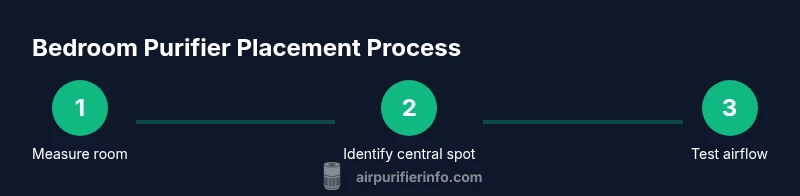
- Measure room dimensions and map potential positions
- Identify a central, unobstructed spot away from beds and doors
- Confirm there’s clearance on all sides for airflow
- Test airflow at the breathing zone and adjust as needed
- Check for noise and cord safety during sleep hours
- Schedule filter changes according to manufacturer guidance
Air Purifier Info analysis shows that placing the purifier in a central, open area typically delivers stronger, more consistent air cleaning in a typical bedroom. The Air Purifier Info team found that maintaining a clear buffer around the unit reduces interference from walls and furniture. As you finalize your setup, keep your daily habits in mind to sustain optimal air quality without constant repositioning. The conclusion is simple: a well-placed purifier improves comfort and health, especially in spaces where you spend a lot of time resting.
Authoritative References
- https://www.epa.gov/indoor-air-quality-iaq/air-cleaners
- https://niehs.nih.gov/health/topics/agents/air-purification/index.cfm
- https://www.who.int/news-room/fact-sheets/detail/air-quality-and-health
Tools & Materials
- Tape measure(For measuring distance to walls and furniture to ensure unobstructed intake/exhaust.)
- Notepad and pen(Record measurements and placement observations during testing.)
- Level (optional)(Helpful to confirm the purifier sits evenly on a flat surface.)
- Cord management supplies (optional)(Keep cords out of walkways to prevent tripping and keep airflow clear.)
- Smartphone with flashlight (optional)(Assist in checking for shadows or airflow obstructions in low light.)
Steps
Estimated time: 20-40 minutes
- 1
Measure the room and map zones
Use the tape measure to gauge room dimensions and sketch potential purifier locations. Note where doors, windows, and large furniture create air pathways. This helps you compare options before moving the unit.
Tip: Create a simple floor plan on paper to visualize airflow paths. - 2
Choose a central, unobstructed spot
Select a location roughly in the room’s center or a spot that isn’t blocked by walls or furniture. Ensure the intake and exhaust aren’t pressed against obstructions and that cords won’t trip people.
Tip: Avoid corners where air can stagnate; center-ish positions usually work best. - 3
Place purifier and orient for airflow
Set the purifier on a stable surface at a height that keeps air from blowing directly toward the bed. If possible, place so air can circulate toward the center of the room rather than toward walls.
Tip: Point intake toward the room’s open area and exhaust toward open space. - 4
Test airflow in the breathing zone
Turn on the unit at a comfortable speed and stand near the bed to feel for a gentle airflow. If you don’t feel air moving, adjust position slightly and re-test.
Tip: Stagger tests at different speeds to understand how placement affects noise and airflow. - 5
Check for noise and safety
Assess whether the purifier’s noise level is acceptable for sleep. Ensure cords are secured and the unit is stable. Move away from the bed if noise becomes disruptive.
Tip: If noise is a concern, compare lower-speed settings or models with quieter fans. - 6
Finalize placement and schedule maintenance
Lock in a position that consistently delivers good airflow and quiet operation. Schedule filter replacements per the manufacturer’s guidance and reassess placement every few months or after room changes.
Tip: Keep a reminder for filter changes to maintain performance.
Questions & Answers
Can I place an air purifier directly next to my bed?
Direct bedside placement can work but may cause drafts or noise near your sleeping area. If you prefer bedside use, choose a position that keeps the intake from facing your pillow and test for comfort.
Bedside placement is possible, but test for drafts and noise to ensure it doesn’t disturb sleep.
What about distance from walls?
Keep the purifier away from walls and large furniture so air can circulate freely. Avoid tight corners that can create stagnant air pockets.
Keep it away from walls to avoid restricted airflow and stagnant air pockets.
Is it better near the door or away from it?
Positioning near the door can help fresh air circulate as the door opens, but avoid placing the unit where drafts from closing doors blow directly at you.
Near the door can help, but watch for direct drafts toward your sleeping area.
Does airflow direction matter?
Yes. Orient the intake toward the room’s open area and the exhaust away from your sleeping zone to maximize room-wide circulation.
Orient intake toward open space and exhaust away from the bed for best circulation.
Can I run an air purifier overnight safely?
Most purifiers are safe overnight, but verify the model’s noise level and energy use. If it disrupts sleep, choose a lower setting or a quieter model.
Yes, usually, but ensure it's quiet enough for sleep and energy-efficient.
Top intake vs front intake—what’s better?
Both designs can be effective. Choose based on your room layout and model recommendations; prioritize clear air pathways rather than strict orientation.
Both can work; follow the model’s guidance and keep air pathways clear.
Watch Video
Main Points
- Measure room dimensions and clear a central airflow path.
- Allow unobstructed intake and exhaust for best performance.
- Test airflow at the breathing zone and adjust position as needed.
- Reassess placement after layout changes or seasonal use.