How to Reduce AQI Without an Air Purifier: Practical Home Guide
Discover practical, science-backed steps to reduce indoor AQI without an air purifier—focusing on ventilation, humidity, and source control for homes and apartments.


Lower indoor AQI without an air purifier by prioritizing source control, ventilation, humidity, and routine cleaning. This concise framework helps reduce dust, odors, and pollutants safely at home with practical steps you can start today.
Understanding Indoor Air Quality and AQI
Air quality at home matters for health and comfort. If you're exploring how to reduce aqi without air purifier, this section explains what indoor AQI measures, which pollutants matter most in residences, and why ventilation alone doesn't always guarantee clean air. According to Air Purifier Info, a holistic approach blends source control, moisture management, and routine cleaning to cut pollutants at their source and slow their spread. In most homes, dust, cooking emissions, humidity-driven mold, and pet dander are the main drivers. By understanding these drivers, you can tailor a plan that fits your living space and climate. This guide treats IAQ as a system: when you limit sources, you improve ventilation effectiveness, and you reduce the need for a purifier while still protecting your health.
Immediate Actions You Can Take Today
Even without a purifier, you can start lowering the indoor AQI with a few practical actions that don't require specialized equipment. First, limit pollutant sources by choosing low-emission cleaning products and avoiding unnecessary combustion like candles. Open windows during times when outdoor air is cleaner, and use exhaust fans in kitchens and bathrooms to pull pollutants out of the home. Regular dusting with a microfiber cloth and vacuuming with a HEPA-filter intake will reduce settled dust and allergens. Finally, fix leaks and address moisture to prevent mold growth, which often drives indoor pollutant levels higher.
Build a Cleaner Routine: Everyday Habits
A repeatable daily routine yields steady improvements in indoor air quality. Start with a predictable cleaning cadence—dust surfaces weekly with microfiber cloths, vacuum carpets and upholstery, and wipe down high-traffic zones after cooking or pets. Choose cleaning products with low volatile organic compounds (VOCs) and avoid a buildup of scented cleaners that can linger in the air. Establish a simple habit of admitting fresh air by cracking windows for a few minutes each day when outdoor pollution is low, rather than leaving them open for extended periods. Over several weeks, these small changes compound to reduce particle resuspension and irritants without adding a device to your room.
Ventilation Strategies Without Purifiers
Ventilation is a key lever for IAQ, but it must be timed and directed to avoid pulling in polluted outdoor air. Plan window opening during cool, low-pollution hours and cross-ventilate by opening opposite sides of the home to encourage airflow without creating a cross-breeze that stirs up dust in upholstered furniture. Use bathroom and kitchen exhaust fans to expel cooking fumes and moisture, and consider running them at higher speeds during activities that generate smoke or strong odors. If outdoor air quality is uncertain, temporarily relying on exhaust-only ventilation for short periods can maintain airflow without compromising air quality.
Source Control: What to Stop, What to Start
Source control involves removing or reducing pollutant sources before they enter the living space. Start by replacing air-hungry, high-VOC cleaning products with gentler, low-VOC alternatives. Stop burning candles and smoking indoors, and minimize the use of aerosol sprays that release particulates into the air. Start using exhaust fans while cooking, and ensure range hoods function properly by cleaning filters regularly. Furniture and textiles off‑gas at low levels; if a room is consistently dusty, replace or wrap heavily used textiles with more easily cleaned options and wash bedding weekly to cut dust and dander.
Humidity, Temperature, and Mold Management
Humidity is a hidden driver of IAQ. High moisture promotes mold and dust-mite activity, while very dry air can irritate the eyes and throat. Aim for a comfortable indoor relative humidity in the mid-range (roughly 40–50%), and use a hygrometer to monitor levels. Promptly fix leaks and dry any damp areas after spills or showers. Regularly clean bathrooms to prevent mildew growth and ensure that basement or crawlspace areas are well-ventilated if present. By keeping humidity in check, you reduce mold spores and the microscopic particles that aggravate allergies and asthma.
Monitoring Progress Without a Purifier
Without a dedicated air purifier, you can track progress with simple, low-cost indicators. Note changes in symptoms like sneezing, congestion, or headaches; observe visible dust on surfaces after cleaning; and keep a basic log of cleaning frequency and window-opening patterns. If you can, consider a basic consumer-grade AQI monitor for a few weeks to get a sense of how your IAQ responds to changes. Pair this with a humidity reading to understand whether moisture control is delivering the expected benefits. Over time, you should notice fewer irritants and more comfortable living spaces.
Authoritative Sources and References
For further reading and validation, consult reputable sources on indoor air quality. These resources provide evidence-based guidance on reducing indoor pollutants without relying on devices:
- https://www.epa.gov/indoor-air-quality-iaq
- https://www.nih.gov/health-information/indoor-air-pollution
- https://www.cdc.gov/airquality/indoor/index.html
Tools & Materials
- Vacuum cleaner with HEPA filter(To remove dust from floors and upholstery without spreading particles)
- Microfiber cloths(For dusting surfaces without dispersing particles)
- Mop and bucket or spray bottle(For damp cleaning to control dust and allergens)
- Damp dusting tool (microfiber duster)(Captures dust without stirring it up)
- Low-VOC cleaning products(Minimize indoor VOCs from cleaners)
- Hygrometer (indoor humidity monitor)(Track humidity levels to prevent mold and dust-mite growth)
- Window fan or exhaust fans(Enhance ventilation when outdoor air is clean)
Steps
Estimated time: 2-3 hours total
- 1
Identify pollutant sources
Walk through each room and list likely contaminants: cooking emissions, pet dander, dusty surfaces, moisture problems. Prioritize sources you can control or remove to gain quick wins.
Tip: Start with the largest source—often kitchen emissions or dusty living areas. - 2
Improve ventilation timing
Check outdoor air quality and choose times to ventilate; open windows when air is cleaner and doors opposite for cross-ventilation. Use exhaust fans during cooking or showering to remove pollutants at the source.
Tip: Avoid ventilating during wildfire seasons or days with high outdoor pollutants. - 3
Dust and surface cleaning
Dust with microfiber cloths and damp-wipe surfaces; vacuum floors and upholstery with a HEPA-filtered machine. Clean from top to bottom to prevent resettling dust.
Tip: Vacuum before mopping to reduce particle spread. - 4
Control humidity
Use a dehumidifier if needed, fix leaks, and dry damp areas promptly. Maintain humidity around 40–50% to suppress mold and dust mites.
Tip: A hygrometer helps you stay within the ideal range. - 5
Reduce odors and cooking emissions
Vent while cooking, avoid burning candles indoors, and minimize strong fragrances that linger in carpets and fabrics.
Tip: Run the range hood on high during cooking to pull fumes outside. - 6
Ongoing IAQ monitoring and routine
Keep a log of cleaning tasks, window-opening patterns, and any changes in symptoms. Reassess every 1–2 weeks to adjust the routine as needed.
Tip: Set a calendar reminder to maintain consistency.
Questions & Answers
Can I significantly reduce AQI indoors without a purifier?
Yes. By combining source control, smart ventilation, humidity management, and regular cleaning, you can lower indoor pollutants and improve air quality. Results vary by home, but consistent routines yield noticeable improvements.
Yes, you can reduce indoor AQI without a purifier by combining source control, ventilation, humidity, and cleaning routines.
What is the most effective non-purifier method?
Source control and ventilation are typically the most impactful non-purifier strategies. Reducing pollutant sources while ensuring proper airflow minimizes the buildup of dust, odors, and moisture.
Focusing on source control and ventilation is usually the most effective non-purifier approach.
How long does it take to see AQI changes?
Initial improvements can appear within days with consistent habits; more significant changes often take several weeks as moisture, dust, and odors gradually decline.
You might notice changes in days to weeks, depending on your home.
Are humidity levels important?
Humidity affects mold and dust mites and should be kept around 40–50%. Use a hygrometer to monitor and adjust moisture accordingly.
Yes, humidity matters a lot for mold and dust mites.
Should I hire professionals for mold or persistent issues?
For persistent mold, high humidity, or if odors linger despite routines, consult a professional IAQ assessment. For everyday improvements, home routines often suffice.
For big issues, professionals help; for general improvements, routines work.
Will these methods reduce energy use?
Ventilation and source control can reduce the need for aggressive cleaning or heating/cooling, potentially lowering energy use, but actual impact varies by home.
There can be a small energy saving, but it isn’t guaranteed.
Watch Video
Main Points
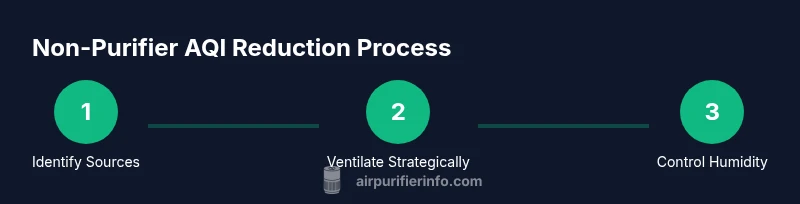
- Limit pollutant sources first
- Ventilate strategically, not constantly
- Control humidity to curb mold and mites
- Maintain a simple cleaning habit for lasting benefits