How to Filter Air in Your Home: A Practical Guide
Learn how to filter air in your home with practical steps, from choosing HEPA purifiers to optimizing ventilation and maintenance. Improve dust, odors, and allergies with a layered, budget-conscious approach.


You can effectively filter air at home by combining a properly sized air purifier with prudent ventilation and regular filter maintenance. Start by choosing a purifier with a true HEPA filter and, if possible, activated carbon for odors. Place it in a high-traffic room and run it during waking hours for best results.
Understanding indoor air quality and why filtration matters
According to Air Purifier Info, indoor air quality is shaped by particles, VOCs, humidity, and airflow patterns. In typical homes, contaminants originate from everyday activities: dusty furniture and textiles, pet dander, pollen drifting indoors, cooking smoke, and the residues left by cleaners and paints. Even when nothing seems out of the ordinary, mold spores and bacteria can linger in poorly ventilated spaces. Filtration is a powerful control method, but its effectiveness multiplies when you pair it with source control (reducing pollutant sources) and sensible ventilation (adjusting windows or exhaust fans as seasons change). In this guide, we cover how to filter air in home across practical setups, budgeting, and maintenance routines that homeowners and renters can implement without special tools. The goal is to create clearer air for sleep, work, and daily living, while cutting down irritants that trigger allergies or wheeze.
Core filtration technologies
Filters form the frontline of air cleaning. A true HEPA filter traps a broad spectrum of fine particles, such as dust, pollen, and pet dander, that float in the living space. Activated carbon targets gases and odors, which is especially helpful in kitchens or homes near busy streets. Many purifiers combine both stages, sometimes with a pre-filter that catches large dust particles and extends the life of the main filter. Some models advertise alternatives like UV-C or ionization; these can raise safety concerns because they may produce ozone or other byproducts, and they are not essential for typical home use. For most households, prioritize a purifier with a genuine HEPA core, a separate carbon stage if odors are an issue, and straightforward maintenance. When evaluating options, also consider energy use, noise level, and filter availability in your region. Remember: an underpowered unit will still struggle to improve air quality if it isn’t sized for the room.
How to assess your needs and room size
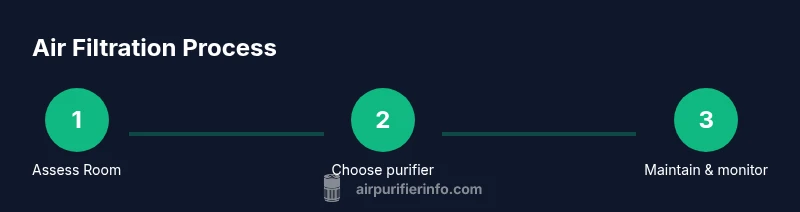
Begin by identifying rooms where air quality matters most: bedrooms for better sleep, living rooms for daily comfort, and kitchens where cooking byproducts accumulate. Measure each room’s length, width, and height to understand the volume to clean. Use this to guide purifier selection, focusing on models that clearly advertise coverage for your room size and a true HEPA core. If you deal with strong odors from cooking, pets, or tobacco, look for a unit that emphasizes odor control in addition to particle filtration. Also consider how you use the space: a quiet night-time setting may require a multi-speed fan with a low-velocity mode, while a busy, active area may benefit from higher air-cleaning throughput during peak hours. By balancing room size, activities, and tolerance for noise, you can choose a setup that maintains clean air without disrupting daily life.
How to choose among purifier types
There are portable purifiers designed for single rooms and larger, HVAC-integrated purifiers. For renters or smaller apartments, one or two compact units in strategic locations can provide meaningful improvements. In larger or open-plan homes, you may need multiple units or a purifier placed centrally to service high-traffic zones. If you have allergies, pet dander, or smoke, look for units that emphasize both particle filtration and odor removal. In spaces with limited outlets, look for models with energy-efficient operation and long-lasting filters. If you travel often or have seasonal activities, the ability to set schedules or adaptive modes can matter. Finally, check warranty length and filter availability in your region to avoid downtime and expense over time.
Practical steps to set up and optimize your system
Position purifiers away from walls and furniture to avoid blocking airflow, ideally in central spots with good cross-room air movement. Confirm the purifier uses a true HEPA core and a carbon stage if odors are a concern, and ensure filter compartments are clean and properly sealed. Run units during the times when air quality matters most (cooking, cleaning, or high-dust activities) and allow for continuous operation if your energy budget and noise tolerance permit. Pair filtration with ventilation by coordinating with exhaust fans or opening windows when outdoor air is cleaner than indoor air. Create a simple maintenance cadence: visually inspect filters monthly and replace them per the manufacturer’s guidance, or sooner if you notice decreased airflow. Finally, track air quality trends with any built-in sensors or an external monitor to calibrate speed and timing for optimal results.
Maintenance routines and filter life
Regular maintenance is essential for consistent performance. Keep the purifier surfaces dust-free and check the seals around filters to prevent bypass leakage. Replace activated carbon filters or HEPA cartridges when the unit manufacturer recommends; many users do this every few months to maintain efficiency, though actual timing depends on usage, room size, and air quality. If you notice reduced airflow, unusual odors, or louder operation, it’s a signal that the filter needs attention. Store extra filters in a dry place so they remain effective when you swap them in. Avoid washing HEPA filters unless the manufacturer instructs you to do so, as improper cleaning can damage the filter media. A simple calendar reminder helps maintain consistency and protects your investment.
Ventilation and source control
Filtration works best when paired with smart ventilation and source control. When outdoor air is clean and comfortable, opening a window or using a mechanical exhaust can help dilute indoor pollutants. During high pollen or wildfire smoke seasons, keep windows closed and rely more on filtration until outdoor conditions improve. Use ceiling fans or portable fans to improve air circulation, which helps distribute filtered air more evenly. Keep humidity in check, since very humid environments can promote mold, while overly dry air can aggravate respiratory symptoms. Finally, avoid introducing new contaminants by choosing low-VOC cleaners and storing solvents properly.
Cost considerations and budgeting
Air filtration is a long-term investment, and total cost depends on unit quality, filters, and energy use. Budget-conscious shoppers can find reliable purifiers in a wide price range; mid-range upfront costs are common, with ongoing filter expenses that scale with usage. Expect to replace filters according to your device’s guidance, usually several times per year for high-traffic homes, while lower-usage spaces may see longer intervals. Consider the cost of carbon filters if odors are a priority, and weigh the benefits of a purifier that offers energy-saving modes or smart scheduling. Don’t overlook warranty terms and service options, which can affect maintenance costs over the life of the system. If you want to optimize long-term value, plan for an initial purchase plus a predictable annual filter budget.
Troubleshooting and myths
Common myths include the idea that bigger is always better or that purifiers can eliminate all pollutants instantly. Remember that effective air filtration depends on proper sizing, placement, and maintenance. If you notice persistent odors, stale air, or allergy symptoms despite running a purifier, reassess room size, replace filters, and consider adding an additional unit or improving source control. Ionizers and ozone-generating features can pose safety concerns, so choose ozone-free devices and avoid units that rely on ionization as the sole mechanism for cleaning. Finally, don’t rely on a purifier to counteract poor ventilation or a mold problem; address foundational issues first to protect indoor air quality over the long term.
Tools & Materials
- Replacement air filters (HEPA or hybrid)(Choose filters compatible with your purifier; verify true HEPA (H13/H14) if possible)
- Activated carbon filter(Helpful for odors; included in some purifiers)
- Air quality monitor (optional)(Helps track PM2.5 and VOC levels)
- Measuring tape or room size measurement tool(Useful to estimate room volume for sizing)
- Soft cloth for cleaning(Dust surfaces around the purifier to reduce particle load)
- Notepad or app reminders(Track maintenance and replacement dates)
Steps
Estimated time: 60-90 minutes
- 1
Define room priorities
Identify which rooms matter most for air quality (e.g., bedrooms, living room, kitchen). This guides purifier selection and placement.
Tip: Start with the room where you spend the most time; you’ll notice the quickest gains. - 2
Measure and assess space
Measure length, width, and height to estimate room volume. Use this to compare purifier coverage claims.
Tip: Record measurements to compare products quickly during shopping. - 3
Choose purifier features
Look for true HEPA filtration, a carbon stage for odors, and easy filter access. Avoid devices relying solely on ionizers.
Tip: Prioritize features that match your top concerns (dust, odors, or both). - 4
Select placement
Position the purifier in a central location with open airflow and minimal obstructions.
Tip: Keep at least a few inches of clearance around the unit for effective circulation. - 5
Set operating schedules
Run the purifier during peak activity periods (cooking, cleaning) and overnight if noise permits.
Tip: Use a timer or smart mode to maintain consistent filtration. - 6
Check filters and seals
Inspect seals and filters monthly; replace or clean as recommended by the manufacturer.
Tip: Write down replacement dates and keep spare filters handy. - 7
Monitor air quality
If available, track PM2.5 and VOC readings to assess improvements and adjust settings.
Tip: If readings stay high, consider additional purification or improved ventilation. - 8
Maintain humidity levels
Keep indoor humidity moderate to discourage mold and irritants; use dehumidifiers if needed.
Tip: Too much humidity can reduce filtration efficiency and promote mold growth. - 9
Plan long-term upkeep
Budget for routine filter changes and occasional purifiers upgrades as needs evolve.
Tip: Set calendar reminders for maintenance to sustain results.
Questions & Answers
What is the difference between HEPA and activated carbon filters?
HEPA filters capture particles like dust and dander, while activated carbon filters adsorb gases and odors. For comprehensive air cleaning, choose a unit that combines both stages.
HEPA traps particles; carbon handles odors and gases.
Do I need multiple purifiers for a large room?
For very large or open-plan spaces, a single purifier may not suffice. Consider two units or an HVAC-equipped solution to ensure even air cleaning.
One unit might not cover a big space; consider two units.
Can purifiers remove pollen completely?
Purifiers reduce pollen exposure but cannot guarantee complete elimination. Use them in combination with dusting and, during peak pollen, keep windows closed.
They reduce pollen, not remove it entirely.
Is ozone-free important when buying a purifier?
Yes. Ozone-generating technologies can irritate the lungs. Choose models labeled ozone-free to ensure safer operation.
Yes—choose ozone-free devices.
How often should I replace filters?
Follow the manufacturer’s schedule and monitor performance. In busy homes, plan for more frequent changes; in quieter spaces, longer intervals may apply.
Change filters per the guide, watch for performance drop.
Are DIY air purifiers effective?
DIY setups are generally less reliable and can create safety risks. Stick to certified purifiers with tested performance.
DIY purifiers aren’t recommended; use certified units.
Watch Video
Main Points
- Measure room size before buying to ensure proper coverage.
- Prioritize true HEPA plus carbon filtration for odors and particles.
- Maintain a simple maintenance schedule to sustain performance.
- Combine filtration with ventilation to maximize indoor air quality.