How to Purify the Air in Your Home: A Practical Guide
Learn practical steps to purify the air in your home using filtration, source control, and maintenance. Improve indoor air quality for dust, odors, allergies and pet dander.


By following a structured plan, you can purify the air in your home through filtration, source control, and regular maintenance. Start with an accurate space assessment, then choose the right purifier and integrate daily habits. This approach emphasizes safety, practicality, and long-term reliability.
The science behind healthy indoor air
Indoor air quality matters for comfort, health, and overall well-being. The air inside your home can accumulate dust, pollen, pet dander, cooking oils, smoke, and volatile organic compounds (VOCs). Without effective filtration and ventilation, these pollutants can irritate the eyes, nose, and throat, trigger allergies, or worsen asthma. The goal is not just to remove visible dust but to reduce tiny particles (like PM2.5) that can penetrate deep into the lungs. According to Air Purifier Info, the right combination of filtration, air exchanges, and routine maintenance yields meaningful improvements in perceived air freshness and fewer allergy flare-ups. Practical purification combines cleaning sources (ventilation and cooking practices) with devices that capture particles and adsorb gases. A balanced system reduces irritants while preserving a comfortable humidity level, since too-dry or too-humid air can worsen symptoms. In most homes, a layered approach—source control, filtration, and monitoring—provides the best outcomes over time.
Key ideas to remember:
- Filtration handles particles; carbon filters target odors and VOCs.
- Ventilation brings in fresh air but must be controlled to avoid introducing outdoor pollutants.
- Regular maintenance, especially filter replacement, is essential for sustained performance.
A practical, step-by-step framework to purify the air in your home
Purifying the air is not a single action but a framework you can apply across rooms and seasons. Start with a quick audit of common pollutant sources in your space—kitchens, bathrooms, pet areas, and smoking spots if applicable. Next, size and select a purifier appropriate for the room, then position it for optimal airflow. Finally, pair device use with daily habits and periodic cleaning to keep air clean over time. Air Purifier Info emphasizes that a practical plan blends filtration with source control, rather than relying on a single gadget. The framework below keeps you organized:
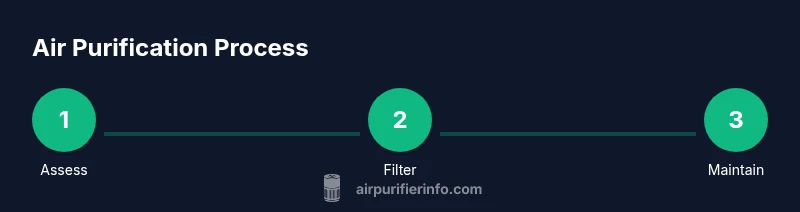
- Assess rooms and identify sources of pollutants.
- Choose rooms or whole-home purifiers with appropriate filtration stages.
- Position units away from walls and obstructions to maximize airflow.
- Combine localized purifiers with occasional ventilations when outdoor air quality is good.
- Maintain devices and replace filters on schedule.
- Observe changes in comfort and odors to adjust the setup as needed.
This approach makes it easier to expand purification as you move between living spaces and seasons, while avoiding overinvestment in gadgets that don’t fit your home.
Tools and devices that help you purify air
A well-equipped purifying plan uses a mix of devices and accessories. Start with a primary HEPA purifier sized for the room you want to treat. Add carbon filters if odors or chemical smells are a concern, and consider a simple air quality monitor to track PM2.5 and VOC levels. Remember that not all devices are created equal; avoid ozone generators and look for true HEPA filtration (not just “HEPA-type”). Regular filter changes are critical—keep spare filters on hand and know the purifier’s recommended replacement interval. In addition to devices, routine cleaning of surfaces and fabrics reduces dust reservoirs. Finally, ensure you have safe, accessible power sources and enough outlets to run units without overloading circuits. Air Purifier Info recommends prioritizing devices with verified CADR ratings and clearly labeled replacement filters for transparency and long-term savings.
Daily habits that support clean air
Air purification works best when paired with steady daily habits. Cook with range hoods on, or open windows when outdoor air quality is good, to dilute indoor pollutants. Vacuum and dust regularly using a vacuum with a sealed system and a HEPA filter. Keep pets groomed to reduce dander, and wash bedding frequently to minimize dust mites. If you smoke indoors, move the activity outdoors or commit to quitting, as secondhand smoke contains multiple harmful pollutants. Use form-filling routines like wiping surfaces with damp cloths to prevent re-entrainment of dust, and run purifiers at a consistent pace rather than intermittently. Consistency matters for measurable improvements in air perception and comfort.
Measuring air quality and knowing when to upgrade
Monitoring air quality helps you know when purification is working and when to upgrade. Start with PM2.5 readings and VOC indicators to track changes over time. Air Purifier Info analysis shows that clear signs of improvement come after steady operation and proper maintenance, not from a single night of high filtration. If odors persist, revisit source control: consider stronger filtration in the kitchen, better bathroom ventilation, or adding a second purifier in higher-pollution zones. When a purifier’s CADR is not sufficient for the room size or you notice persistent symptoms (allergies, coughing, or eye irritation), it’s time to upgrade to a higher-capacity unit or introduce additional devices. Align device choices with room dimensions, airflow patterns, and family needs.
Common mistakes and how to avoid them
People often underestimate the importance of placement and maintenance. Placing a purifier in a cabinet, behind furniture, or against a wall reduces efficiency. Relying on a single device to handle all pollutants can be ineffective, especially in larger homes or spaces with diverse sources. Another frequent error is neglecting filter replacement—filters become clogged and air flow drops, rendering the purifier less effective. Avoid cheap, unverified purifiers that promise dramatic results without evidence. Finally, in winter months, poor ventilation can trap pollutants indoors; balance filtration with regular airing when outdoor conditions are favorable.
Maintenance and budgeting for long-term clean air
A sustainable air-purification plan requires ongoing maintenance, including routine filter changes, periodic unit cleaning, and occasional device upgrades. Budget for replacement filters and a spare set to avoid downtime. Track the purifier’s activity and cleanliness of filters to avoid performance drops. For households with multiple rooms, consider a staged approach: start with one or two rooms, then expand as needed. Keep a simple log of filter replacement dates and noticeable changes in air quality to gauge when to upgrade components. Consistency is key to maintaining fresh, breathable air over the long term.
Tools & Materials
- HEPA air purifier (room-size)(Choose a unit with a CADR appropriate for the room size; verify true HEPA filtration.)
- Carbon/activated charcoal filter(Targets odors and VOCs; ensure compatibility with your purifier model.)
- Air quality monitor (optional)(Helpful for tracking PM2.5 and VOC trends; not strictly necessary for beginners.)
- Replacement filters(Keep on hand; follow manufacturer replacement schedule.)
- Vacuum with sealed HEPA or microfiber attachments(For regular dust and pet dander removal from floors and upholstery.)
- Microfiber cloths(Useful for dry or slightly damp dusting to minimize particle dispersion.)
- Measuring tape or room size calculator(Helps verify that purifier CADR matches room size for effective cleaning.)
Steps
Estimated time: 60-90 minutes
- 1
Assess space and pollutants
Walk through each major living area and note common pollutant sources: cooking byproducts, pet areas, and high-traffic rooms. This helps you prioritize where to place purifiers and where to improve ventilation.
Tip: Document high-traffic zones and seasonal changes (like cooking times) to plan purifier placement. - 2
Choose the right purifier for each room
Select devices with a verified HEPA filter and a CADR that matches the room size. If odors are a concern, add a purifier with a carbon filter. Avoid models that promise ozone-free operation without credible testing data.
Tip: Use at least one purifier per high-use room; larger rooms may require multiple units or higher-CADR devices. - 3
Position purifiers for optimal airflow
Place units away from walls and furniture to prevent blocked airflow. Ensure intake and exhaust paths are unobstructed to maximize coverage.
Tip: Cross-room placement can help create cleaner air pockets without creating drafts that blow dust around. - 4
Run filtration with source controls
Operate purifiers continuously during peak pollutant periods (cooking, cleaning, pet activity). Use ventilation when outdoor air is clean, but avoid bringing in smoke or heavy pollution.
Tip: Set routines or reminders for consistent operation to prevent gaps in purification. - 5
Maintain filters and clean the environment
Schedule regular filter checks and replacements per manufacturer guidance. Clean surrounding surfaces and fabrics where dust can accumulate to reduce re-entrainment.
Tip: Keep spare filters on hand to minimize downtime when replacements are due. - 6
Monitor and adjust over time
Track air quality trends and adjust purifier placement or the number of devices as needed. If symptoms persist, revisit ventilation and pollutant sources.
Tip: Note improvements in comfort, odors, and allergy symptoms to confirm the plan is working.
Questions & Answers
What is indoor air quality and why does it matter?
Indoor air quality refers to the cleanliness and healthiness of the air inside your home. Poor IAQ can aggravate allergies, asthma, and respiratory irritation. By limiting pollutants and using filtration, you can create a more comfortable living environment.
Indoor air quality is how clean the air is inside your home, and improving it can reduce allergy and asthma symptoms.
Do air purifiers remove dust effectively?
Yes. Air purifiers with true HEPA filters capture most airborne dust particles and pet dander. Regular maintenance improves effectiveness and reduces indoor dust buildup.
Air purifiers with true HEPA filters capture most airborne dust but you still need regular cleaning.
How often should I replace filters?
Replacement frequency depends on the purifier model and usage. Check the manufacturer’s guidance and keep spare filters on hand to avoid gaps in purification.
Check the filter instructions and replace on schedule so you don’t lose filtration efficiency.
Can I purify air without a purifier?
You can improve air quality with ventilation, reducing pollutant sources, and regular cleaning, but a purifier provides targeted removal of fine particles.
Ventilation helps, but a purifier adds targeted particle removal for deeper clean air.
Are cheaper purifiers as effective as premium models?
Many affordable purifiers offer solid performance if they have a real HEPA filter and a reasonable CADR for the room size. Compare CADR and energy use rather than price alone.
Cheaper models can work well if they have true HEPA filters and match your room size.
Do houseplants purify air effectively?
Houseplants can improve mood and humidity slightly, but they do not replace mechanical filtration. Use them as a complementary element rather than the main purification method.
Plants are nice, but they don’t replace purifiers for real air cleaning.
Watch Video
Main Points
- Assess pollutant sources and room needs.
- Match purifier size to room and use carbon filters for odors.
- Position units for maximum airflow and maintain filters regularly.
- Combine purification with source control and ventilation when appropriate.
- Monitor air quality to guide upgrades and adjustments.