How to Put an Air Filter in a Vent
Learn how to put air filter in vent safely and effectively. This comprehensive guide covers vent types, filter sizing, orientation, safety tips, and maintenance to improve indoor air quality.


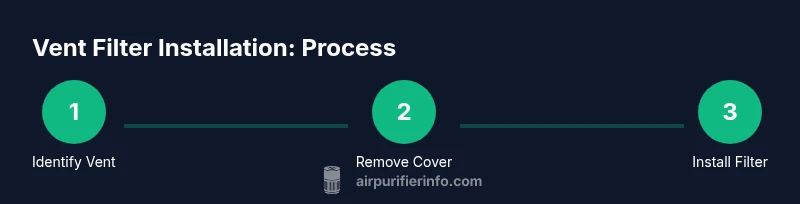
Learn how to put air filter in vent safely, including identifying vent type, selecting the correct filter size and MERV rating, preparing the area, removing the old filter, installing the new one, and resealing to prevent leaks. Use caution around electrical components, and wear protective gloves. Follow these steps for consistent air quality and energy efficiency in your home.
Understanding vents and air filters
Vent systems vary widely, and not every vent accepts a standard replacement filter. Return-air vents, supply diffusers, and filter slots behind grilles each have unique configurations. Before you buy a filter, identify the vent type and opening shape. The goal is a snug fit that allows air to pass through the filter without creating resistance or leaks. According to Air Purifier Info, improper vent filtration can lead to pressure imbalances and reduced airflow, which undermines indoor air quality. Start by locating the vent cover, noting how it opens, and measuring the opening. If you find a hidden slot or a curved duct behind the grille, you may need a specialized filter or a different approach. When in doubt, consult the system manual or an HVAC professional to avoid costly mistakes.
Choosing the right filter
Selecting the right filter for a vent requires matching size, thickness, and filtration level to your system’s design. Measurements matter: pull out the old filter and note its dimensions, then buy a filter that fits the exact width and height. Filters come in varying thicknesses—1 inch, 2 inches, and thicker—each affecting airflow differently. Look for a MERV rating appropriate for your HVAC: lower MERV for basic filtration and higher MERV for improved particle capture, while ensuring your furnace or central air system can handle the increased load. Also consider the filter orientation: arrows should point in the direction of airflow, from the room toward the ducts. Use a filter with a frame and media that won’t sag once installed. If your system uses a custom shape, you may need a compatible size from a specialty supplier.
Safety and prep considerations
Before touching any vent components, turn off or set the HVAC to the off position to prevent movement during handling. Wear gloves to protect your hands from dust, and consider a mask if the vent has collected years of debris. Work in a well-lit area and keep a trash bag handy for debris. If you’ll be removing screws, use a properly sized screwdriver to avoid stripping the head. Use a flashlight to inspect the inside of the housing for signs of damage, mold, or excessive dust buildup. Never bypass safety steps; forcing a filter into an ill-fitting slot can damage the ductwork and reduce system efficiency. Always handle components gently to avoid bending louvers or cracking plastic housings.
Tools and materials you’ll need
Gather the essential items before starting. The replacement filter is non-negotiable; you’ll also want a screwdriver if screws hold the vent cover, gloves to protect your hands, and a flashlight for better visibility. A small vacuum with a hose attachment can help clean the vent cavity, along with a microfiber cloth for wipe-downs. If the vent is in a high-traffic area or you have respiratory sensitivities, a mask and eye protection can improve comfort while you work. Keeping a spare filter on hand can reduce downtime during routine maintenance. Finally, ensure you have the correct size and style of filter for your specific vent opening to avoid rework.
Step 1: Prepare the area
Clear the area around the vent to prevent dropping dust into living spaces. If the vent is in a tight or elevated location, set up a stable step stool or ladder and have a helper assist with tools. Power down the HVAC or switch to off at the thermostat to prevent airflow while you work. Remove loose items near the vent to prevent contamination during the process. Wipe nearby surfaces to catch any dust that escapes during cover removal. This preparation reduces mess and speeds up the replacement process.
Step 2: Locate the vent and remove the cover
Most vents have a grille that either slides out, lifts, or screws off. Use the appropriate method to access the filter housing behind the cover. If screws hold the grille, use a Phillips head screwdriver to loosen them and carefully set the cover aside. If the grille snaps off, gently pry it from its frame using a flat tool, taking care not to bend the louvers. Once the cover is removed, you should see the old filter seated in a frame or slot. Take a moment to visually inspect the housing for cracks, moisture, or excessive dust.
Step 3: Remove the old filter and inspect the housing
Carefully pull the old filter out, noting its orientation and how it sits in the frame. Some filters have to be removed by angling them to clear the frame; others simply lift straight out. Look for dust buildup, mold, or signs of water damage inside the housing. If you see mold, follow proper remediation steps before installing a new filter. Use a vacuum or damp microfiber cloth to clean the slot and any adjacent surfaces, ensuring there are no debris or loose fibers that could interfere with filtration.
Step 4: Verify filter size and orientation
Compare the new filter with the old one to confirm size and thickness. Check the filter media for any labeling that indicates direction of airflow; the arrows should point toward the ductwork. If you’re unsure about the orientation, look for an airflow diagram on the vent housing or in the HVAC manual. Place the filter in the slot and ensure it is flush against all sides with no gaps. A loose fit can bypass filtration and reduce system efficiency.
Step 5: Install the new filter correctly
Carefully slide the new filter into the housing, maintaining the orientation indicated by the arrows. If the opening is tight, use your hands rather than forcing it; a gentle push is enough to seat the filter. Confirm that the filter’s frame is fully engaged in the slot and that it lies flat with no warping. Recheck that the edges of the filter are sealed against the frame to prevent air from bypassing the media. This step is critical for achieving the intended air quality improvements.
Step 6: Reattach the cover and test airflow
Replace the vent cover and secure any screws removed earlier. Restore power to the HVAC system and run a quick test to ensure airflow is consistent and even. Listen for unusual noises or whistling that may indicate an improper seal or misalignment. Check for visible gaps around the cover; reseat if needed. If airflow appears restricted, double-check filter orientation and seating. A properly installed filter should allow smooth, even air movement with no obvious resistance.
Step 7: Maintenance, troubleshooting, and common mistakes
Regularly inspect the vent area for dust buildup and replace filters on schedule; a dirty filter can reduce efficiency and IAQ. Common mistakes include using an incorrect size, installing backwards, or forcing a filter into a slot that isn’t designed for it. If you encounter persistent airflow issues, verify compatibility with your HVAC system, or consult a professional. For households with allergies or pet dander, consider higher-efficiency filters or a dedicated filtration system rather than relying solely on vent filters.
Alternatives if your vent can’t accept a standard filter
Some vents have fixed louvers or non-removable media, making a standard filter impractical. In these cases, you can place a secondary filter near the intake grille, install a whole-house filtration system, or use a portable air purifier in the room to compensate. If you do place a secondary filter, ensure that it does not restrict the main HVAC airflow. Always consider system compatibility and consult an HVAC professional if you’re unsure.
Tools & Materials
- Replacement air filter (correct size and type)(Measure the vent opening; verify filter dimensions and orientation arrows.)
- Screwdriver (Phillips #2)(Only if the vent cover is screwed in place.)
- Gloves(Protect hands from dust and sharp edges.)
- Mask (optional)(Helpful for dusty or mold-prone vents.)
- Flashlight(Improves visibility inside the housing.)
- Vacuum with hose or microfiber cloth(Clean dust and debris from the slot after removal.)
- Sealant tape (optional)(Use if you notice minor gaps around the vent frame after reassembly.)
Steps
Estimated time: 30-45 minutes
- 1
Power down and prepare the area
Turn off the HVAC at the thermostat and ensure the area around the vent is clear. Wear gloves and, if needed, a mask. Have a container or bag ready for debris. This minimizes dust exposure and keeps the workspace tidy.
Tip: Setting the system to off prevents sudden airflow during filter replacement. - 2
Remove the vent cover
Loosen screws or gently unlatch the grille to expose the filter housing. Keep screws in a safe spot. If the grille is heavy, ask for a helper to hold it while you remove it.
Tip: Note how the cover attaches so you can reinstall it correctly. - 3
Extract the old filter
Carefully pull the old filter straight out, noting its orientation. Observe the frame and surrounding area for dust buildup or moisture. Dispose of the old filter properly and prepare the slot for the new one.
Tip: If the old filter is stiff, it may be a sign of a buildup; plan more thorough cleaning afterward. - 4
Check the slot and confirm size
Measure the slot or compare with the new filter to ensure a precise fit. Confirm the thickness and width align with the replacement. Read any labels on the housing for special size requirements.
Tip: Always use the exact size or a manufacturer-recommended substitute. - 5
Insert the new filter with correct orientation
Slide the new filter into the slot, aligning the airflow arrows with the direction of air moving into the system. Ensure the filter sits flush and does not bend or warp.
Tip: Arrows must point toward the ductwork; incorrect orientation reduces filtration efficiency. - 6
Reattach cover and reset the system
Place the vent cover back and secure screws if present. Restore power to the HVAC and run the system for a short test. Listen for abnormal noises and check for air leaks around the cover.
Tip: Run the fan briefly to confirm steady airflow and check for gaps.
Questions & Answers
Can I use any filter in a vent, or do I need a specific size?
You must use the filter size that fits the vent opening and follows the manufacturer’s guidelines. Using the wrong size can cause gaps, air bypass, and reduced filtration efficiency.
Use the vent-specific filter size and orientation to ensure proper filtration.
What if I can’t find a filter that matches my vent?
If there isn’t a standard filter that fits, consult the HVAC manual for recommended alternatives or consider a secondary filtration approach near the intake. Avoid forcing an ill-fitting filter.
If you can’t find a matching filter, check the manual or contact a professional for alternatives.
How often should vent filters be replaced?
Replace vent filters on a regular maintenance schedule, typically every few months depending on usage, occupancy, and air quality needs. Check for visible dirt and debris regularly.
Follow a regular replacement schedule based on use and indoor air quality.
Can I clean a vent filter instead of replacing it?
Most vent filters are designed for single-use. Cleaning can damage the filter media and reduce effectiveness. Replace with a new filter when dirty or clogged.
Cleaning is usually not recommended; replace when dirty.
What if I hear whistling after reinstalling the filter?
A whistling noise often indicates an air leak around the filter or an improperly seated cover. Recheck seating, seals, and orientation, and reseal if necessary.
If you hear whistling, reseat the filter and cover to seal gaps.
Is it safe to replace vent filters with the HVAC powered on?
Always turn off the HVAC or set to off before removing or installing filters to avoid injury and dust exposure. Restore power only after the filter is securely in place.
Turn off power before handling the vent filter.
Watch Video
Main Points
- Measure vent opening before buying a filter.
- Install with correct orientation and a flush fit.
- Replace filters on a regular maintenance schedule.
- Test airflow after reassembly to confirm proper function.