How to Keep Air Filter Clean: A Practical Home Maintenance Guide
Learn a practical, expert-backed routine to keep air purifier filters clean, improve indoor air quality, and extend purifier life with easy steps, tips, and safety guidance.


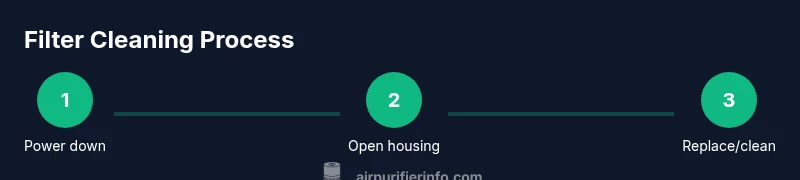
Goal: keep air filter clean to maximize indoor air quality and purifier efficiency. Start with a simple routine: unplug the unit, remove and inspect the filter, vacuum away dust, then wash or replace as instructed by the manufacturer. Check every month, and perform a thorough cleaning every 1-3 months depending on usage.
How to keep air filter clean
Maintaining a clean air filter is the single most effective step you can take to improve indoor air quality. A clogged, dirty filter restricts airflow, forcing the purifier to work harder and consume more electricity, while reducing filtration efficiency. For people with allergies, asthma, or pet dander exposure, even small amounts of dust can trigger symptoms if the filter isn’t performing at its peak. According to Air Purifier Info, a well-maintained filter helps remove particles more consistently and can extend the life of the purifier’s fan motor by preventing overheating. In homes with smokers or strong cooking odors, a clean filter also contributes to better odor control as particles are captured before they circulate. Remember: the goal is not perfection, but steady maintenance that keeps the device operating as designed. When you neglect cleaning, you may notice reduced airflow, louder operation, or a sharp, dusty smell when you turn the unit on. Regular attention also minimizes the amount of dust that settles on furniture and surfaces, which is especially important in bedrooms and living rooms where occupants spend long hours. A predictable maintenance routine reduces guesswork and helps protect your family’s air quality over the long term.
How often to check and replace
Frequency depends on usage, environment, and filter type. In general, check the filter every 2-4 weeks during heavy use or in dusty environments, and at least once a month for typical home use. Many purifiers include a filter-change indicator; follow its guidance, but don’t rely on it alone. If you can see dark dust buildup or hear reduced airflow, it’s time to inspect more closely. Air Purifier Info analysis shows that regular checks help prevent overloading the purifier and keep energy costs in check. Keep a simple log, marking the date of each cleaning or replacement. If your model uses a true HEPA filter, plan for replacement every 6-12 months (range depending on usage). Non-washable filters should be replaced when they appear clogged or discolored. In kitchens with heavy cooking fumes or homes with multiple pets, you may need to clean or replace more often. Remember that some purifiers use a washable pre-filter that can be cleaned monthly; the main HEPA filter still needs replacement on the manufacturer’s schedule.
Types of filters and what can be cleaned
Air purifiers use several filter types, and cleaning rules vary. True HEPA filters are often not washable and should be replaced when dirty. Pre-filters are usually washable or easy to vacuum and should be cleaned more frequently to extend the life of the main filter. Activated carbon filters primarily target odors and may not be washable; when they degrade, odors return. Some units include hybrid filtration with washable components; always consult the manual first. If you’re unsure whether a filter is washable, inspect it for the manufacturer's labeling; if you see “do not wash” or “replace only,” follow that instruction. For devices with removable filters, you can generally vacuum the exterior and the pre-filter to remove surface dust before deciding on washing or replacement. Remember that improper cleaning can damage seals or reduce filtration efficiency, so when in doubt, err on the side of replacement rather than aggressive cleaning.
Cleaning methods: washable vs disposable
The safest approach is to follow the purifier’s manual. Washable pre-filters can be cleaned with lukewarm water and a mild detergent, then air-dried completely before reassembly. Do not wring or twist delicate materials, and avoid hot water or strong detergents that may degrade fibers. Vacuum can remove loose dust from both washable and disposable pre-filters, but never use a vacuum on a disposable main filter. For disposable filters, a light shake and gentle brush may help, but never wash them. After cleaning or replacing, reassemble the unit and run it on a low setting for a few minutes to ensure proper airflow. If there’s a lingering odor or visible degradation, replace the main filter sooner rather than later. For households with sensitive occupants, consider maintaining two filters per unit so you can rotate and always run a clean one.
Maintenance schedule and best practices for different purifier types
Different purifiers and room sizes require tailored maintenance. Medium- or high-efficiency models in large rooms benefit from monthly checks and timely replacements. Compact purifiers in bedrooms can often go 2-3 months between cleanings, but allergens or pets can shorten this window. Always keep replacement filters on hand and store them in a clean, dry place. If your purifier has a filter life indicator, reset it after every replacement. Use a soft, dry microfiber cloth to wipe exterior surfaces weekly to prevent dust buildup that can blow into the filter during operation. Finally, replace the main filter according to the manufacturer’s guidelines; even if it looks clean, performance can decline before the visible signs appear. Establish a simple schedule and set reminders to maintain consistency.
Common mistakes and troubleshooting
Common mistakes include washing disposable filters, using hot water, or ignoring signs of reduced airflow. Never run the purifier with a damaged seal or a torn main filter. If you notice persistent musty odors after cleaning, the carbon layer may be exhausted, requiring replacement. A clogged pre-filter is a quick fix, but if airflow remains poor after cleaning, consult the user manual or contact customer support. Finally, avoid using household cleaners or sprays directly on or inside the purifier; residues can interfere with filtration and airflow. Regular checks and prompt replacements minimize performance dips and keep your air fresh.
Verdict
The Air Purifier Info Team recommends adopting a regular, model-specific maintenance routine. A clean filter is a proxy for overall purifier health: it protects against reduced airflow, lowers energy use, and sustains effective contaminant removal. By setting reminders, using the right cleaning methods, and replacing filters when needed, homeowners and renters can maintain better indoor air quality with less guesswork. In short: check, clean, and replace on schedule, and always prioritize the manufacturer’s guidance for your unit.
Tools & Materials
- Microfiber cloth(For wiping the housing and surfaces)
- Vacuum with brush attachment(Remove loose dust from exterior and pre-filter)
- Soft brush(Gently lift dust from folds and corners)
- Mild detergent or dish soap(Used for washing washable pre-filters)
- Lukewarm water(For washing washable components)
- Replacement filters(Have the correct model replacement on hand)
- Gloves (optional)(Protect hands from dust)
- Drying rack or clean area(Air-dry washed parts completely)
Steps
Estimated time: 45-75 minutes (plus drying time for washable components)
- 1
Power down and access the filter housing
Power off and unplug the purifier. Open the housing to expose the filter assembly and locate the main filter and pre-filter. Note any orientation marks to reinstall correctly.
Tip: Never work on energized equipment; wait a few minutes after unplugging before touching components. - 2
Remove filters and identify type
Carefully lift the filters out and check labeling to determine washability and replacement needs. If you see ‘do not wash’ or ‘replace only,’ follow the instruction strictly.
Tip: Take a photo of the filter orientation to help during reassembly. - 3
Check for visible dirt and decide on cleaning vs replacement
Assess the level of dust and whether the filter can be cleaned or must be replaced. Clogged or discolored filters should be replaced to maintain performance.
Tip: If unsure, err on the side of replacement to avoid compromising air quality. - 4
Vacuum exterior and pre-filter surfaces
Use the vacuum with a brush attachment to remove loose dust from the exterior and pre-filter without forcing debris into the filter folds.
Tip: Keep suction low to avoid damage to the filter media. - 5
Wash washable pre-filter (if applicable)
Rinse the washable pre-filter under lukewarm water with a small amount of mild detergent. Gently agitate to release embedded dust, then rinse until clean.
Tip: Do not use hot water or harsh cleaners; harsh chemicals can degrade fibers. - 6
Dry filters completely before reassembly
Place washed components on a drying rack in a well-ventilated area. Allow to air-dry completely—this may take 1–2 hours or longer, depending on humidity.
Tip: Do not reinstall damp filters as moisture can foster mold growth. - 7
Reinstall in correct orientation and seal
Place filters back with the correct orientation marks aligned. Reattach the housing and ensure seals are snug to prevent bypass leaks.
Tip: Double-check seals and clips before powering on. - 8
Test run and reset indicators
Plug in, power on, and run the purifier for a few minutes to verify airflow. If your unit has a filter-life indicator, reset it after replacement.
Tip: If airflow remains weak, inspect seals and check for air leaks.
Questions & Answers
How often should I clean my air purifier filter?
Most purifiers benefit from a monthly check, with deeper cleaning or replacement every 1–3 months depending on use and environment. Use the device’s indicator as a guide, but don’t rely on it alone.
Check your purifier monthly and replace or clean more frequently in dusty spaces.
Can I wash all types of air purifier filters?
Not all filters are washable. True HEPA filters are often disposable and should be replaced when dirty. Check the manual before washing any filter to avoid damage.
Some filters are meant to be replaced, not washed.
What are signs that a filter needs replacement?
If airflow declines, you notice persistent odors, or the filter looks dark or warped, it’s time to replace. A degraded carbon layer can also reduce odor control.
Watch for reduced airflow or odors indicating replacement is needed.
Is it safe to use household cleaners on filters?
Generally no. Many cleaners leave residues that can interfere with filtration and may damage media. Use mild soap on washable pre-filters only if recommended.
Avoid household cleaners on the filter media; follow the manual.
Do HEPA filters require replacement even if they look clean?
Yes. HEPA filters often trap many particles and can become less effective even when they appear clean. Replace as recommended by the manufacturer.
Even if clean, HEPA media can lose efficiency over time.
How do I reset filter indicators after replacement?
Most units have a reset procedure in the manual, often involving holding a button or cycling power. Follow the exact steps for your model.
Check your model’s reset steps in the manual or on the purifier label.
Watch Video
Main Points
- Establish a regular cleaning schedule.
- Identify filter type before cleaning or replacement.
- Avoid washing disposable filters.
- Keep spare filters and record maintenance dates.
- Reinstall carefully to maintain airtight seals.