How to Remove Dust From Air Without an Air Purifier
Learn purifier-free methods to dramatically reduce airborne dust at home with practical steps, routines, and tools from Air Purifier Info to improve indoor air quality.


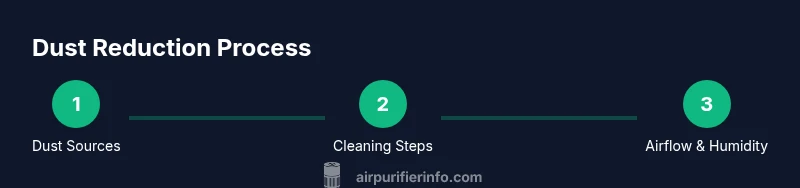
According to Air Purifier Info, you can cut airborne dust without a purifier by combining regular cleaning, humidity management, and improved airflow. Start with simple daily habits like dusting with microfiber cloths, vacuuming with a sealed HEPA system, and controlling humidity to keep dust suspended less often. This practical guide shows you purifier-free techniques that home owners can implement today.
Why reducing dust without a purifier matters
Dust isn’t just a nuisance; it’s a mixture of skin cells, fabric fibers, pet dander, pollen, and tiny soil particles that float in the air and settle on every surface. High dust levels can aggravate allergies, asthma, and other sensitivities, especially in bedrooms and living rooms where we spend much of our day. Purifier-free strategies, when applied consistently, can meaningfully lower the amount of dust in the air and on surfaces. According to Air Purifier Info, effective purifier-free dust control starts with understanding your home’s dust sources and the ways dust travels through your spaces. With a clear routine and the right habits, homeowners can achieve noticeable improvements in indoor air quality without relying on an air purifier. The goal is to reduce both dust generation and dust suspension in the air—two complementary targets that set the stage for a cleaner indoor environment.
To begin, identify high-dust zones in your home: entryways, living rooms with upholstered furniture, and bedrooms with fabric bedding. These areas contribute the most airborne dust because fabrics shed particulate matter and traffic stirs dust from floors and surfaces. By focusing attention on these zones, you’ll gain the largest early returns. The instructions here are designed for homeowners and renters who want practical, achievable steps that don’t require major renovations or expensive gear. You’ll see how small changes—like dusting efficiently, improving airflow, and maintaining moderate humidity—add up over days and weeks.
Core strategies to remove dust from the air without a purifier
-
Dust with intention: Use microfiber cloths and dampen them slightly to trap dust rather than push it around. Start at the highest surfaces and work downward to prevent re-dusting lower areas.
-
Vacuum strategically: Vacuum floors, upholstery, and drapes using a machine with a true HEPA filter and a sealed system. Move slowly in a methodical pattern to pull dust from fibers and corners rather than scattering it.
-
Wash textiles regularly: Bedding, curtains, and throw cushions are hotspots for dust and skin cells. Launder fabrics according to fabric care guidelines; frequent washing reduces dust reservoirs.
-
Manage humidity mindfully: Moderate indoor humidity helps dust settle rather than stay suspended. Use humidifiers or dehumidifiers as needed to maintain comfortable levels—avoid extremes that can promote mold or dust mite activity.
-
Improve ventilation and airflow: Use exhaust fans in kitchens and bathrooms and, when outdoor air quality is good, open windows to create cross-ventilation that pushes dust outside. A well-placed fan can direct airflow toward exterior openings without pulling in new dust through leaks.
-
Reduce dust entry points: Place entry mats, seal obvious gaps around doors and windows, and keep outdoor shoes at the threshold to minimize tracked-in dust. Reducing the influx is as important as cleaning what’s already inside.
-
Clean HVAC-adjacent surfaces: If you have a central HVAC system, ensure filters are clean and consider upgrading to filters with higher efficiency where appropriate. Clean registers and return ducts to prevent dust from circulating back into living spaces.
-
Tidy up fabrics and surfaces: Limit the number of plush textiles in high-dust zones, such as heavy curtains and overstuffed furniture, which can trap dust and release it during use. Where possible, opt for smoother surfaces that wipe clean easily.
-
Build a routine: The most effective purifier-free dust strategy is consistency. Short daily actions, layered with deeper weekly清 routines, prevent dust from reaching high levels and reduce the overall workload over time.
Room-by-room practical steps
Living room: Start by clearing clutter and removing throw pillows; dust all surfaces with a microfiber cloth, and vacuum the floor and upholstery. Use a damp cloth on electronic devices and shelves. Launder any throw blankets weekly if possible. Bedroom: Change and wash sheets weekly, dust furniture and lamps, and run a vacuum on carpet or rug. Keep a humidifier or dehumidifier handy to maintain comfortable humidity for better dust control around bedding. Kitchen: Run exhaust fans while cooking and wipe down counters and cabinet fronts nightly. Sweep or vacuum floors daily to remove crumbs that attract dust. Home office: Dust screens and monitors with a microfiber cloth, vacuum floors and chair cushions, and keep cables organized to reduce dust traps. If you use a printer, place it away from seating areas to limit paper dust. Entryways: Place a doormat inside and outside each door and consider a quick wipe-down of shoes before entering to curb outdoor dust from spreading inward.
If you share your home with pets, wash pet bedding regularly and vacuum pet areas more frequently to minimize pet dander, which is a persistent dust component. By combining these room-specific actions with a core cleaning rhythm, you’ll achieve meaningful reductions in airborne dust over time. The approach stays purifier-free while delivering tangible air-quality improvements.
Tools and materials that help (without purifier)
Tools & Materials
- Vacuum cleaner with HEPA filter(Choose a model with a sealed system and a true HEPA filter; use it on floors, upholstery, and drapes.)
- Microfiber cloths(Lint-free; dampen slightly for better dust pickup.)
- Damp microfiber mop or mop with microfiber pads(Lightly damp; avoid soaking to prevent mold.)
- Hygrometer(Monitor humidity to minimize dust suspension.)
- Humidifier or dehumidifier(Use to maintain comfortable humidity; avoid extremes.)
- Entryway mats(Place at doors to reduce outdoor dust tracked inside.)
Steps
Estimated time: 2-4 hours
- 1
Declutter and prep surfaces
Begin by removing excess items from your main living areas to reduce dust traps. Dust from high surfaces first, then lower ones, and keep cleaning tools handy to avoid re-dusting while you work. This step sets the stage for more effective dust removal as you progress.
Tip: Work from top to bottom to prevent falling dust from re-settling on cleaned surfaces. - 2
Dust with microfiber cloths
Dust all surfaces using microfiber cloths, moving in one direction to trap particles rather than scattering them. Use a slightly damp cloth for better pickup on wood, glass, and electronics, and avoid dry wiping on dusty surfaces that can release fibers into the air.
Tip: Dampen only lightly; excess moisture can damage some finishes. - 3
Vacuum thoroughly with HEPA
Vacuum floors, upholstery, and drapes slowly in overlapping passes. Focus on corners, under furniture, and where pets and people sit most, as these are common dust reservoirs. Empty the vacuum promptly to prevent dust from escaping back into the room.
Tip: Use attachments for crevices and furniture legs to reach tight spaces. - 4
Wash fabrics and textiles
Launder bedding, curtains, and cushion covers according to care labels. Textiles hold a large portion of household dust; washing them regularly reduces ongoing dust release into the air.
Tip: Hot water is effective for many fabrics if the label allows. - 5
Control humidity
Maintain comfortable indoor humidity to reduce dust suspension in the air. Use a humidifier or dehumidifier as needed and monitor levels with a hygrometer to avoid mold growth and dust mites.
Tip: Avoid very dry or very damp conditions; balance is key. - 6
Improve ventilation and airflow
Use kitchen and bathroom exhaust fans and, when outdoor air is clean, open windows to create cross-ventilation. Direct airflow toward exterior openings to push dust outside rather than recirculating it.
Tip: Position fans to avoid blowing dust from one room into another. - 7
Address pet and world of textiles
Regularly wash pet bedding and vacuum pet areas; reduce heavy textiles that trap dust. Consider replacing bulky curtains with lighter options that are easier to clean.
Tip: Pet-related dust often accumulates on favorite spots—clean these areas weekly. - 8
Maintain a purifier-free routine
Set simple daily tasks and a weekly deep-clean schedule to keep dust levels consistently low. Small, repeatable actions compound over time to produce noticeable air-quality gains.
Tip: Set reminders for routine tasks to build a lasting habit.
Questions & Answers
Can I remove dust from air without an air purifier?
Yes. By combining systematic cleaning, humidity control, and improved airflow, you can noticeably reduce airborne dust without a purifier. Consistency is the key; over time, dust will settle and the air will feel clearer.
Yes. Clean regularly, manage humidity, and improve airflow to reduce dust without a purifier.
Does humidity really affect dust levels?
Moderate humidity helps dust settle more quickly and reduces how long particles stay suspended. Extreme humidity can encourage mold or dust mites, so balance is important.
Humidity helps dust settle, but avoid extreme levels to prevent mold.
How often should I vacuum and wash textiles?
Vacuum floors and upholstery on a regular schedule and wash bedding and textiles weekly when possible. Regular cleaning prevents dust accumulation and keeps air clearer.
Vacuum and wash textiles weekly when you can.
Are fans safe to use for moving dust around?
Fans can help move air and push dust toward exits, but they can also spread dust if not positioned correctly. Use fans to create cross-ventilation and direct air toward open windows when outdoor air quality is good.
Fans can help if used to create airflow toward exits and avoid blowing dust around.
Do HVAC filters help reduce dust without a purifier?
Yes, if your HVAC system has clean, appropriately rated filters and you change them regularly. This reduces circulating dust and improves overall air quality.
Clean HVAC filters reduce circulating dust and improve air quality.
When should I consider adding an air purifier?
If dust remains high despite purifier-free measures, or you have severe allergies or asthma, adding an air purifier can provide additional relief. Evaluate room use and household needs before buying.
If dust is still a problem or you have allergies, consider adding an air purifier.
Watch Video
Main Points
- Dust control without a purifier is feasible with daily routines.
- Clean from top to bottom to prevent re-dusting surfaces.
- Moisture management and ventilation are key to reducing airborne dust.
- Regular washing of textiles dramatically lowers dust reservoirs.
- A simple maintenance plan yields lasting air-quality benefits.