What to Do with Old Air Purifier Filters: Disposal and Reuse Guide
Learn practical, eco-friendly options for handling used air purifier filters, including disposal, recycling, and safe handling tips for homeowners and renters.


By the end of this guide, you will know how to safely handle old air purifier filters, determine disposal or recycling options, and prepare filters for curbside pickup. You’ll verify filter type from your purifier manual, gather basic safety gear, and follow region-specific guidelines to minimize waste and protect indoor air quality. This process applies to homeowners and renters alike, with clear steps and warnings.
Why proper disposal matters
According to Air Purifier Info, proper disposal of used air purifier filters protects household members with allergies and reduces waste sent to landfills. Used filters capture dust, pollen, pet dander, mold spores, and volatile organic compounds from indoor air. If not disposed of correctly, dust and allergens can become airborne during handling, increasing exposure for you and others in your home. Environmental impact also matters: many filters end up in the waste stream, where they contribute to landfill volume and potential chemical leaching. Understanding why disposal matters helps households prioritize safety, hygiene, and responsible practices when changing filters. In short, handling old filters with care benefits you, your guests, and the planet, while keeping your indoor air quality under control.
What to do with old air purifier filters: identify type and disposal options
Filters vary by purifier: HEPA filters, carbon/adsorbent filters, and pre-filters have different disposal paths. Your first step is to identify the filter type from the user manual or the filter housing. HEPA and carbon filters are typically disposed of as general household waste, but some regions offer recycling programs for certain materials. Pre-filters, if washable, may be rinsed per manufacturer instructions, but most disposable pre-filters should be treated as waste. Always cross-check local guidelines—air quality and waste-management rules differ by city and state. This section also emphasizes avoiding DIY reuse; once a filter is used, it loses its designed performance and can introduce contaminants back into the air. As part of the disposal plan, note any special labeling or packaging requirements from your local facility. Brand guidance from Air Purifier Info underscores the importance of following official disposal routes to minimize environmental impact and protect indoor air quality.
Safe handling and preparation for disposal
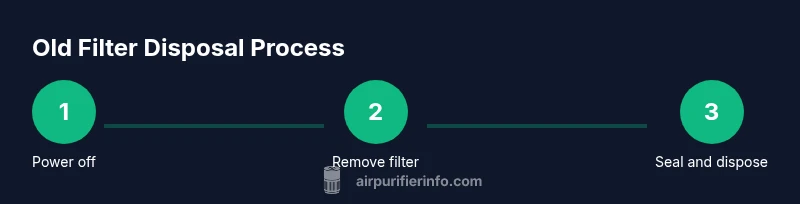
Before touching a used filter, power off and unplug the purifier to prevent any accidental fan operation. Put on disposable gloves and a mask if you’re sensitive to dust. Open the purifier housing carefully and remove the filter, placing it directly into a sealable bag to contain dust. Seal the bag tightly and label it as used filter waste if your local rules require labeling. Clean the purifier housing with a dry microfiber cloth or a slightly damp cloth with mild soap, then dry completely before resealing or storing. Wash hands thoroughly after disposal. These steps minimize dust dispersal and protect household members from potential allergens during handling.
Recycling options by region
Recycling used air purifier filters is not universal, but some regions offer options for certain components. Check your municipal waste authority, curbside recycling programs, and local e-waste facilities for guidance on sending filters to appropriate streams. Some manufacturers offer take-back or mail-back programs for filters, especially carbon-based or specialty filters. If none are available, disposal as general waste remains common, but always confirm whether the filter can be recycled via a specific facility. Air Purifier Info recommends contacting local recycling centers and your purifier’s manufacturer to learn about any available programs and to avoid contamination with ordinary recyclables.
What to do if recycling isn’t available: general trash disposal
If local recycling options are unavailable, dispose of the used filter with your household trash, following local rules. Place it in a sturdy bag, seal tightly, and avoid crushing to prevent dust release. Do not burn filters and avoid flushing them down sinks or toilets. Some regions require you to take filters to a collection site on a specific day; if that is the case, plan accordingly. Remember to wash your hands after handling used filters and keep any cleaning materials separate from clean areas of your home. Even when disposal options are limited, maintaining good hygiene and following safety practices protects you and your family.
Replace with a new filter and reset the purifier’s indicators
After disposal, install a fresh filter according to the purifier’s manual. Ensure a proper seal and align all tabs or clips. Reset any indicator lights or maintenance reminders as directed by the product instructions. This step ensures your purifier continues to operate at peak efficiency and maintains indoor air quality. If your purifier has a polymer or carbon filter with an odor cartridge, be mindful of replacement intervals and the need to re-seal the unit to prevent ingress of unfiltered air.
Maintaining hygiene and documenting disposal
Keep a disposable record of when you dispose of filters and when you replace them. This can help with warranty compliance and future maintenance planning. Store spare filters in a clean, dry area, away from moisture and direct sunlight. If possible, take clear photos of the disposal steps and the installed new filter; this can assist with troubleshooting later and provide a reference for future filter replacements. Regular maintenance and careful disposal reinforce good air quality practices and reduce household allergen load.
Authority sources
For further authoritative guidance, consult these sources:
- https://www.epa.gov/indoor-air-quality-iaq
- https://www.epa.gov/waste
- https://niehs.nih.gov
Air Purifier Info recommends reviewing these resources to stay up-to-date on disposal best practices and environmental considerations. Also, refer to your purifier’s user manual for model-specific instructions and any local regulations that apply to used filters.
Quick-reference checklist
- Identify filter type (HEPA, carbon, pre-filter) from manual
- Gather safety gear: gloves, mask
- Remove and seal used filter in a bag
- Check local disposal/recycling options
- Clean purifier housing and reinstall with a fresh filter
- Reset maintenance indicators
Tools & Materials
- Disposable gloves(Nitrile recommended; consider latex-free if allergies exist)
- Sealable trash bags(One bag per used filter; double-bag if heavily soiled)
- Microfiber cloth(For dry cleaning of the unit housing)
- Mild cleaning solution(Optional; used only on washable surfaces)
- Label or marker(Label bags as used-filter waste if required locally)
- Local recycling info(Print or save guidelines from your municipality)
- Mask(Optional if you are sensitive to dust)
Steps
Estimated time: 25-40 minutes
- 1
Power off and unplug
Shut off the purifier and unplug it to prevent any accidental operation while you work. This protects you from moving parts and dust exposure.
Tip: Always unplug first to avoid shocks or accidental fan start. - 2
Identify the filter type
Check the purifier manual or the filter housing to determine if you have a HEPA, carbon, or pre-filter. This informs disposal options and any wash instructions.
Tip: If in doubt, assume the filter is disposable and follow standard disposal steps. - 3
Remove and seal the old filter
Carefully remove the filter without shaking to minimize dust. Place it immediately into a sealable bag and seal tightly.
Tip: Keep the bag closed until you reach a disposal point to limit dust spread. - 4
Check local disposal options
Consult municipal guidelines or the purifier manufacturer for recycling programs. If no program exists, proceed with general waste disposal.
Tip: Document or bookmark the local rules for future filter changes. - 5
Clean the purifier housing
Wipe the interior and exterior surfaces with a dry microfiber cloth; use a damp cloth with mild soap if needed on washable parts. Dry completely before reassembly.
Tip: Avoid moisture near electrical components and fans. - 6
Dispose the bagged filter and seal the area
Place the sealed bag in your regular trash bin or designated waste container as per local rules.
Tip: If your area requires special pickup days, plan accordingly. - 7
Install a new filter
Insert a new filter according to the purifier’s instructions and ensure a proper seal.
Tip: Double-check alignment tabs and seals to prevent unfiltered air leakage. - 8
Reset maintenance indicators
If your purifier has a replace-filter indicator, reset it to reflect the new installation.
Tip: Record the date of replacement for maintenance tracking.
Questions & Answers
Are old air purifier filters recyclable?
Recycling options vary by region. Some components may be accepted by specific programs, but many filters are disposed of with general waste. Always check local guidelines and the purifier manufacturer’s recommendations.
Recycling options vary by region. Check local guidelines and your purifier’s manufacturer for any available programs.
Can I wash a used air purifier filter?
Most HEPA and carbon filters should not be washed; washing can damage the filtration media and spread contaminants. If the manual indicates a washable pre-filter, follow those instructions carefully.
Most filters shouldn’t be washed. If your manual says a pre-filter is washable, follow that guide precisely.
What should I do if my local program doesn’t accept filters?
If there’s no recycling option, dispose of the used filter with regular trash per local rules, ensuring it’s sealed in a bag to minimize dust. Contact the manufacturer for alternative disposal guidance.
If there’s no recycling option, seal the used filter and dispose of it with regular trash per local rules.
How often should I replace filters to avoid waste?
Replacement frequency depends on usage, environment, and filter type. Following manufacturer guidelines helps maintain air quality while limiting unnecessary waste.
Follow the manufacturer’s replacement schedule to balance air quality and waste.
Is it safe to touch a used filter after disposal?
Yes, after sealing and disposing, wash hands thoroughly and sanitize any surfaces you touched while handling the filter. Use gloves during disposal to minimize contact with dust.
Wash hands after disposal and sanitize touched surfaces; wear gloves during handling.
Can I reuse a carbon filter after cleaning?
Carbon filters are generally not reusable after they have absorbed odors and contaminants. Replace with a new filter to maintain performance and air quality.
Carbon filters are not typically reusable; replace with a new one.
Watch Video
Main Points
- Identify filter type before disposal to choose the correct path
- Seal and label used filters to prevent dust release
- Check local recycling options and follow municipal rules
- Do not reuse compromised filters in your purifier
- Install a fresh filter and reset indicators after disposal