How to Purify Air at Home: A Practical Guide
Learn practical steps to purify air at home with filtration, ventilation, and maintenance strategies. An actionable guide from Air Purifier Info for homeowners and renters seeking cleaner indoor air.


To purify air effectively, combine source control, ventilation, and filtration. Start by reducing sources of dust and odors, improve airflow with balanced ventilation, and run a high-efficiency purifier with a true HEPA filter. Use appropriate filters for pet dander and smoke, seal gaps around doors, and monitor air quality with a simple IAQ monitor. This multi-pronged approach reduces pollutants and improves indoor air quality for healthier living spaces.
What is air purification and why it matters
Air purification refers to processes and devices that remove pollutants from indoor air, including dust, allergens, odors, and smoke. A cleaner air reduces respiratory irritation and can benefit allergy and asthma sufferers. According to Air Purifier Info, improving indoor air quality starts with controlling sources of pollution and choosing the right filtration strategy for your space. The Air Purifier Info team found that most homes benefit from a balanced mix of source control, ventilation, and filtration. In this guide, we’ll explore practical steps you can take to purify air in a typical living room or bedroom, including budget-friendly options and smarter upgrades for renters and homeowners alike.
Core strategies for purifying indoor air
Purifying air relies on three pillars: source control (reducing pollutant sources), proper ventilation (introducing fresh air safely), and filtration (capturing particles). Start by minimizing indoor sources of dust, cooking fumes, and cleaning chemicals. Improve ventilation by timing outdoor exchanges with mild weather and low outdoor pollution. Choose a purifier with a true HEPA filter and, if needed, an activated carbon stage to tackle odors and VOCs. Regular cleaning of carpets, fabrics, and HVAC components also reduces particle load, complementing purifier use. For renters and homeowners alike, a modular approach works best, adjusting as seasons and occupancy change.
Purifier types and filter science
True HEPA filters capture at least 99.97% of particles as small as 0.3 microns, making them the standard for effective purification. Carbon filters adsorb odors and many VOCs, though they require replacement to stay effective. Pre-filters trap larger particles and extend the life of the main filter. When comparing units, prioritize clean air delivery rate (CADR) matching your room size and pollutant types. Avoid “HEPA-like” labels; insist on true HEPA for performance. The right filter combination matters more than brand alone.
How to size and place a purifier in a room
Match the purifier’s CADR to the room’s size: a larger room needs higher airflow, while small rooms need smaller units to avoid noise and over-filtration. Place the purifier away from walls and furniture to ensure unobstructed airflow, ideally near the center of the room or at breathing height. For multi-room homes, one or two strategically placed purifiers can cover common living spaces. If you have pets or smokers, consider units with carbon filtration and higher CADR ratings for particle and odor control.
Reducing pollutants beyond the purifier
Purification is most effective when combined with general measures. Use low-toxicity cleaners, avoid strong aerosols, and maintain consistent humidity to limit mold growth and particle suspension. Vacuum with a HEPA-equipped vacuum, wash textiles regularly, and seal leaks around windows and doors. Regularly wash air-filters in HVAC if applicable and ensure bathroom exhaust fans vent outdoors to reduce moisture-related mold risk.
Step-by-step home air-purification plan
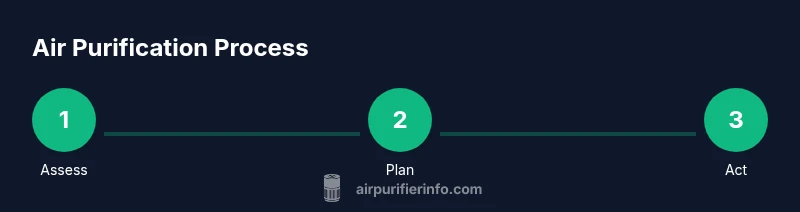
A practical plan combines assessment, equipment, placement, and maintenance. Start by measuring room size, selecting an appropriate purifier, and positioning it for optimal airflow. Then seal active drafts, set up a simple ventilation routine, and schedule regular filter changes. Finally, monitor with a basic IAQ tool and adjust settings based on odor and dust levels. This plan scales from a single bedroom to larger living areas.
Maintenance and monitoring for long-term results
Maintenance is key to sustained performance. Regularly replace filters per manufacturer guidance, clean external surfaces, and check for reduced airflow or strange noises. Use a basic IAQ monitor to track particles, humidity, and VOCs, adjusting purification as needed. Document changes in a notebook to track improvements over time and justify upgrades when circumstances change.
When to upgrade or seek professional help
If air quality remains poor after following a home purification plan, consider upgrading to a purifier with higher CADR, adding a dedicated VOC filter, or upgrading HVAC filtration. If symptoms persist or you’re dealing with mold or structural moisture, consult a professional to diagnose hidden sources and recommend comprehensive solutions.
Tools & Materials
- True HEPA air purifier(Choose models with a true HEPA filter and appropriate CADR for room size.)
- Replacement HEPA filters(Keep on hand; replace per manufacturer schedule.)
- Activated carbon filter(Optional for odors/VOCs; many purifiers include built-in carbon.)
- Tape measure(Measure room dimensions (length × width × height) for volume.)
- Air quality monitor (IAQ)(Helpful to track PM2.5, VOCs, and humidity.)
- Weatherstripping/caulk(Seal obvious drafts around doors/windows.)
- Humidifier/dehumidifier(Maintain 30-50% RH to reduce mold growth.)
- Microfiber cleaning cloths(Regular cleaning of surfaces reduces dust load.)
Steps
Estimated time: Total time: 60-120 minutes
- 1
Assess room size and pollutant targets
Measure the room to determine volume and note likely pollutant sources (dusty floors, cooking, pets). This helps select a purifier with adequate CADR and a plan for placement. Start by listing primary concerns to guide purchases.
Tip: Use a tape measure to calculate volume: length × width × height. - 2
Select purifier and confirm CADR
Choose a unit with a true HEPA filter and CADR suitable for the room. Consider carbon filtration if odors or VOCs are a concern. Check the unit's noise level and energy use when running continuously.
Tip: CADR should align with room size; bigger rooms need higher CADR. - 3
Position purifier correctly
Place the purifier where airflow can circulate freely, away from walls and large furniture. Center the unit if possible and avoid corners that trap air. Maintain 1–2 feet clearance for best performance.
Tip: Avoid blocking the intake or exhaust with curtains or furniture. - 4
Seal leaks and improve vents
Inspect doors, windows, and attic access for leaks. Apply weatherstripping or caulk to reduce infiltration of polluted outdoor air. This enhances purifier effectiveness and reduces drafts.
Tip: Even small gaps add up; sealing is often cheaper than hardware upgrades. - 5
Create balanced ventilation
Ventilate during periods of good outdoor air quality, and avoid opening windows during high pollution times. Use exhaust fans to remove moisture and odors when cooking or showering.
Tip: Timing matters—short, intermittent exchanges can outperform constant uncontrolled drafts. - 6
Maintain filters and units
Follow manufacturer schedule for replacing filters and cleaning the unit exterior. Keep spare filters on hand and label them with installation dates to track age.
Tip: Set reminders on your phone or calendar. - 7
Manage humidity to prevent mold risk
Keep indoor humidity in a comfortable range (roughly 30–50%). Use a humidifier or dehumidifier as needed to prevent mold and dust suspension.
Tip: Avoid excessively humid rooms which promote mold growth. - 8
Monitor and adjust as needed
Regularly review IAQ readings and odor levels. If pollutants persist, re-evaluate purifier placement, filter quality, or additional purifiers for larger areas.
Tip: Document changes to see what actually moves the needle.
Questions & Answers
What is air purification and why is it important?
Air purification removes pollutants from indoor air, improving comfort and health for occupants with allergies or asthma. It complements cleaning and ventilation strategies.
Air purification removes pollutants from indoor air to help people breathe easier.
Do plants purify air effectively?
Plants contribute to humidity and oxygen but have limited impact on removing common indoor pollutants. They should not replace mechanical filtration.
Plants help a little, but purifiers do most of the work.
How often should I replace HEPA filters?
Follow the manufacturer's schedule; typical guidance is every 6-12 months depending on usage and air quality.
Check the filter schedule and replace when needed.
Can air purifiers remove VOCs and smoke odors?
Purifiers with activated carbon filters reduce odors and many VOCs, though effectiveness depends on filter quality and exposure level.
Carbon filters help with odors, but effectiveness varies.
Should I run an air purifier all day?
Running continuously is common in polluted spaces; otherwise, run during high activity or sleep for comfort.
Many people run purifiers all day in busy homes.
What should I consider when comparing purifiers for allergies?
Look for true HEPA, high CADR for dust, and size-appropriate models with easy maintenance.
For allergies, a true HEPA purifier with good CADR matters.
Watch Video
Main Points
- Assess room size and pollutant targets before buying.
- Prioritize true HEPA filtration and correct placement.
- Seal leaks and ventilate strategically for effectiveness.
- Monitor IAQ and adjust purification over time.
- Regular maintenance sustains purifier performance.