How to Make Air Purifier Filter Last Longer
Discover practical steps to extend your air purifier filter life, including pre-filter care, optimal run cycles, and timely replacements. Save money and keep indoor air cleaner.


To make an air purifier filter last longer, choose the right size and model, maximize pre-filter protection, and practice smart maintenance. Clean or replace pre-filters regularly, run the unit in efficient modes, and keep the surrounding environment dust-free. According to Air Purifier Info, these habits dramatically extend filter life and reduce replacement costs.
Understanding Filter Lifespan and Why It Matters
If you're wondering how to make air purifier filter last longer, the first place to start is understanding how filters age. Every time the purifier runs, it collects dust, pollen, pet dander, and other particles. Over time these particles clog fibers and reduce airflow, making the unit work harder and shorten its effective life. The Air Purifier Info team notes that lifespan is influenced by room size, pollutant load, and how often you operate the unit. By recognizing these factors, you can design a simple routine that keeps filters performing and saves you money on replacements.
Your goal is to balance clean indoor air with a sustainable filter schedule. Pre-filters and secondary media capture a large portion of dirt, protecting the main filter. When the pre-filter stays clear, the main filter lasts longer and maintains higher efficiency. In practical terms, aim to reduce the rate of clogging rather than trying to push the device beyond its design specifications. This section covers the core ideas behind extending filter life without sacrificing air quality.
Pre-Filters: The First Line of Defense
Most purifiers include a washable or replaceable pre-filter that captures larger particles before they reach the main filter. Keeping this layer clean is the simplest way to extend overall filter life. Remove and inspect the pre-filter every 4-8 weeks, depending on usage and air quality. For many models, you can vacuum the pre-filter gently with a soft brush attachment to remove dust. If the pre-filter is washable, rinse with lukewarm water and let it dry completely before reinstalling. Never reassemble a damp filter; moisture encourages mold and reduced efficiency. Regular pre-filter maintenance reduces clogging of the main filter, which means you won’t have to replace the core media as often. If you notice reduced airflow, inspect and clean or replace the pre-filter first before diagnosing other issues.
Choosing the Right Filter and Purifier Model
Not all filters and purifiers are created equal. The first step in extending filter life is to ensure your purifier uses the correct filter type and size for your space. Check the user manual or manufacturer site to confirm compatible filter models and HEPA standards or MERV ratings. Using an oversized or undersized unit can drive unnecessary strain on the filter and shorten its life. If you're unsure, many manufacturers provide a model lookup tool—air purifier makers typically publish the exact replacement filter part numbers you should use. In addition to compatibility, consider the life expectancy of the main filter relative to your indoor air quality. Activated carbon filters, for example, clog differently than HEPA media and may require more frequent refresh in areas with smoke or odors. In such cases, plan for a slightly shorter replacement interval, while still avoiding excessive waste by following the purifier’s guidelines.
Maintenance Routine That Extends Life
A disciplined maintenance routine is the backbone of longer filter life. Start with a monthly visual check: is dust collecting around the intake grill? If so, clean the exterior with a microfiber cloth to prevent dust from falling into the housing. Every 3-6 months, remove and inspect the main filter if your purifier allows disassembly. When the unit is off, gently dust or vacuum the filter surface without abrading the media. If the filter media appears discolored or smells musty, replace it rather than attempting to clean it more aggressively. After any cleaning, reassemble according to the user manual and perform a quick test run to ensure proper airflow. Keeping the unit in a dry, well-ventilated area will also help prevent mold and mildew and protect filter media. Record each maintenance event in a notebook or digital log so you can establish a personal replacement cadence that matches your home's needs. This structured approach helps you avoid unnecessary replacements while preserving air quality.
Practical Daily Habits to Reduce Load
Small daily actions can significantly lessen filter strain. Place the purifier away from obstructions like curtains and furniture that interrupt airflow. Keep doors/windows closed during heavy pollution times or windy days, and run in energy-saving modes or auto mode that meters air quality. In homes with pets or smokers, the air is loaded with larger particulates, so place the unit in a central location rather than a corner, and consider running longer cycles at lower fan speeds rather than short bursts at high speeds. Vacuum surfaces and soft furnishings regularly to cut dust before it becomes circulating air. Use door mats and shoe trays near entryways to reduce tracked-in dirt. Finally, keep the surrounding environment clean: avoid smoking indoors and minimize use of candles and scented products that can prematurely saturate filters with particulates. All of these practices reduce the pollutant load the purifier must handle and extend the time between filter changes.
Replacement Intervals, Costs, and When to Replace
Filter lifespans vary widely by model, usage, and environment. Manufacturer guidelines are your best source of truth, though you can expect that in typical residences, completion of a filter cycle may range from several months to a year depending on pollutant levels and runtime. Rather than chasing a calendar date, monitor airflow and odor or particle indicators; a noticeable drop in performance usually signals it's time to replace the media. Activated carbon filters may require more frequent refresh in kitchens or smoking areas, while HEPA media might last longer in low-dust environments. Some purifiers offer indicator lights or apps that alert you when performance declines. If you’re on a tight budget, consider purchasing a compatible replacement filter in a multi-pack to reduce per-item cost. When replacing, follow the purifier’s instructions to responsibly dispose of or recycle spent media. As always, consult the Air Purifier Info analysis for practical, non-brand-specific guidance on maintaining air quality and minimizing waste.
Putting It All Together: A Home Maintenance Plan
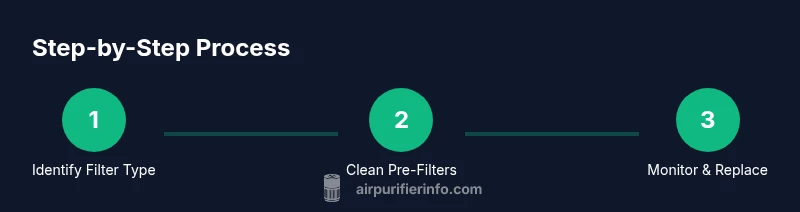
Here’s a simple, repeatable plan you can implement this month to keep an air purifier filter last longer. Start by identifying the correct filter type for your unit and test run the system in a few days to confirm airflow. Create a monthly 10-minute dust check around the intake grille; perform a deeper pre-filter clean every 4-6 weeks. Schedule a main-filter inspection every 3-6 months and replace when needed, guided by the manual or indicator alerts. Keep a log noting date of replacement, observed air quality, and any odors. If you want more structured guidance, Air Purifier Info recommends establishing a personal cadence based on room size, occupant activity, and environmental factors. By following this plan, you’ll maintain strong performance while delaying filter replacements and reducing waste. Incorporating these routines can also help you meet your indoor air quality goals without breaking the bank, and you’ll have a clearer sense of when to take action rather than guessing.
Tools & Materials
- Replacement air purifier filter(Ensure model/size matches device's filter booklet)
- Pre-filter(If washable, clean according to instructions)
- Soft microfiber cloth(For exterior cleaning and dust removal)
- Vacuum with brush attachment(Gently remove dust from intake area)
- Soft-bristled brush(Loosen stubborn dust without damaging media)
- Mild soap and water(For exterior cleaning only; never soak media)
- Gloves(Protect hands during cleaning)
- Drying rack or clean towel(Air-dry washable pre-filters completely)
Steps
Estimated time: 45-60 minutes
- 1
Identify compatible filter
Consult your purifier’s manual or the manufacturer site to confirm the correct filter type and size. Record the exact model number to avoid ordering errors. This prevents wasting money on incompatible media.
Tip: Double-check the part number on the current filter before purchasing. - 2
Power down and unplug
Turn off the unit and unplug from the outlet before removing any parts. This reduces shock risk and prevents unintentional operation during work.
Tip: Wait 30 seconds after unplugging before handling internal components to let capacitors discharge. - 3
Remove and inspect the filter assembly
Carefully open the housing and take out the main filter. Examine for visible dirt, moisture, or mold, and note any abnormal odors or sagging media. Replace if damaged or overly dirty.
Tip: Handle media gently to avoid tearing the filter fibers. - 4
Clean the pre-filter and housing
If the pre-filter is washable, rinse under lukewarm water until clear. Air-dry completely before reinstalling. Wipe exterior surfaces with a microfiber cloth to minimize debris falling into the housing.
Tip: Do not use hot water or harsh cleaners on filters. - 5
Replace or clean the main filter according to guidelines
If replacement is due, install a fresh filter following the manual’s steps. If the main filter is reusable, clean per manufacturer instructions and allow adequate drying time before reassembly.
Tip: Avoid over-tightening housing screws; this can distort seals. - 6
Return unit to operation and test airflow
Reassemble the purifier, plug in, and run on a low setting to inspect airflow. Listen for unusual noises and check for airflow evenness across the grille.
Tip: If airflow is weak, recheck seals and ensure the filter sits properly. - 7
Establish a maintenance cadence
Create a repeating schedule based on your environment: monthly pre-filter checks, quarterly main-filter inspections, and annual full replacements as needed. Document dates and observations for future planning.
Tip: Use a simple calendar reminder to stay consistent.
Questions & Answers
How often should I clean the pre-filter?
Check the pre-filter monthly; cleaning frequency depends on usage and air quality. If you notice visible dust, clean sooner. Always dry or air-dry fully before reinstalling.
Check the pre-filter monthly and clean it if you see dust. Make sure it’s completely dry before putting it back.
Can I wash a HEPA filter?
Most true HEPA filters should not be washed. Wet media can damage filtration efficiency and lead to mold. Follow the manufacturer’s replacement guidance for best results.
Most HEPA filters aren’t washable. If in doubt, replace instead of washing.
Does running the purifier on high shorten filter life?
Running at high speeds can accelerate dust capture and wear the filter faster in some environments. Use auto or energy-saving modes when possible to balance air quality and filter life.
High speeds can wear filters faster; try auto mode when you can.
What is a MERV rating and why does it matter?
MERV indicates filtration efficiency. Higher MERV means better capture but more resistance to airflow. Ensure your purifier is designed to handle the target MERV to avoid unnecessary strain.
MERV tells you how well a filter captures particles; higher isn't always better for every purifier.
Is it safe to run the purifier in a bedroom at night?
Yes, many purifiers operate quietly in sleep mode or at low settings. Check that the unit’s sensors and controls support quiet operation without compromising performance.
Yes, many purifiers have a quiet sleep mode for night use.
Should I use essential oils with my air purifier?
Most purifiers are not designed for essential oils; oils can degrade seals and filters. If you want fragrance, use separate, designed aroma diffusers and keep them away from the purifier.
Don’t mix essential oils with the purifier unless the manufacturer says it’s safe.
Watch Video
Main Points
- Inspect and clean pre-filters monthly.
- Use the correct filter model for your purifier.
- Run in energy-saving or auto mode to reduce load on filters.
- Follow manufacturer guidance for replacement intervals.