Clean the Air in Your Home: A Practical Step-by-Step Guide
Learn how to clean the air in your home with a practical, step-by-step plan. This guide covers pollutants, ventilation, filtration, humidity, and maintenance to improve indoor air quality for homeowners and renters.


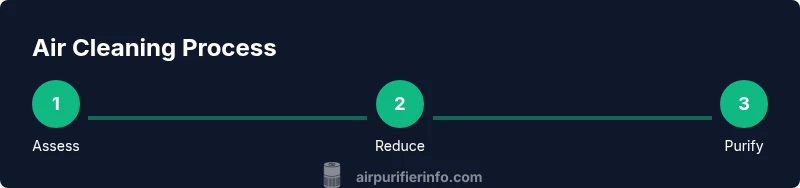
You will learn a practical, step-by-step approach to clean the air in your home. Start by assessing current air quality, reducing pollutant sources, improving ventilation, and selecting effective purification methods. This plan emphasizes safety, budget-friendly options, and simple maintenance to keep dust, odors, and allergens under control for homeowners and renters.
Why clean the air in your home matters
Healthy indoor air supports comfort, sleep, and long-term well-being. For homeowners and renters, the air inside can be several times more polluted than outdoor air, especially in climates with high pollen, humidity, or cooking smoke. According to Air Purifier Info, improving indoor air quality starts with understanding what you’re dealing with and building a practical plan you can maintain. In real homes, the most noticeable benefits come from reducing irritants like dust and pet dander, odors from cooking, and moisture that fosters mold. By taking simple, consistent steps, you can reduce allergy symptoms, headaches, and fatigue, while also protecting valuables and improving overall home environment. This guide walks you through the why and the how, with tips you can apply in seconds to hours, depending on your space and budget. It also highlights how affordable choices and routine maintenance can create lasting improvements for the entire household.
What air pollutants to target in a typical home
Most homes contend with a mix of particulates, gases, and humidity-driven issues. Particulates include dust, pollen, and pet dander that trigger allergies and irritation. Volatile organic compounds VOCs come from cleaners, paints, and office supplies. Cooking odors linger when ventilation is insufficient, while humidity can foster mold and musty smells. Air Purifier Info analysis shows that a large share of indoor air concerns relate to a combination of dust, pet odor, cooking smells, and moisture. A targeted approach prioritizes sources you can control and filtration methods that remove a broad spectrum of particles, gases, and odors. Understanding your space helps you choose devices and routines that actually move the needle.
Core strategies to clean the air
A robust plan blends three core strategies: source control, ventilation, and filtration plus humidity management. Source control means choosing products and habits that emit fewer pollutants, such as eco-friendly cleaners and minimizing smoking indoors. Ventilation improves air exchange by bringing in fresh air and exhausting stale air, using windows, exhaust fans, or mechanical systems. Filtration captures particulates with a true HEPA filter and, when needed, activated carbon to tackle odors and gases. Humidity control reduces mold risk and dust mite populations. A practical setup also incorporates an occasional air quality check with a simple monitor to track progress over time and adjust your approach as needed.
Practical, budget-friendly steps you can start today
Begin with a quick audit of common pollution sources. Open a window for a short, planned air exchange when outdoor air is not polluted, while using fans to push air from the living space to an exhaust, if available. Add a true HEPA purifier in rooms where people spend the most time, and pair it with a carbon filter purifier or standalone activated carbon unit for odors. Clean vacuum filters and dust surfaces with microfiber cloths to reduce particle load. Use a hygrometer to monitor humidity and run a dehumidifier or humidifier to maintain comfortable levels. These steps require modest upfront cost and can be scaled over time as needed.
Devices and tools that make a real difference
Effective air cleaning relies on devices designed for real-world homes. Choose purifiers with true HEPA filtration to capture small particles, and pair them with activated carbon or another filter aimed at gases and odors. Position purifiers in high-traffic rooms and away from walls to ensure good airflow. Add a compact air quality monitor for ongoing feedback, and consider a dehumidifier in damp spaces to prevent mold growth. If you use any chemical cleaners, opt for low-VOC products and run purifiers during and after cleaning to reduce residual odors. Remember to avoid ozone-emitting units and products that claim to “purify” air without scientific backing.
Maintenance habits that keep air quality high
Maintenance is the quiet engine behind clean air. Replace filters as recommended by manufacturers and keep the intake and exhaust clear of dust and clutter. Vacuum floors and upholstery with a HEPA-equipped vacuum to prevent particle buildup, and clean purifier prefilters if applicable. Check humidity levels regularly and adjust as seasons change. Schedule a quarterly review of your device placement to optimize airflow and re-evaluate the need for additional purification or source-control measures. Regular maintenance reduces the likelihood of declines in air quality between checkups.
Measuring progress: how to know you are improving
Air quality is dynamic and responds to changes you make. Use a reliable indoor air quality monitor to track room-level PM2.5, VOCs, humidity, and temperature. Compare readings before and after each change to determine effectiveness. If your numbers improve after source-control steps and a purifier setup, you are on the right track. If not, tweak the purifier placement, add a second unit for strategic coverage, or adjust humidity controls. Document changes and results so you can reproduce success.
Common pitfalls and how to avoid them
Avoid relying on a single purifier to fix all problems. Purifiers do not remove all contaminants from every room or handle moisture alone. Don’t overlook humidity management or source control, as high humidity and persistent odors undermine purifier efficiency. Placing devices too close to walls or corners can limit airflow, and running multiple purifiers without proper airflow planning can create dead zones. Finally, be mindful of noise and energy use, and choose devices that align with your daily routines.
Tools & Materials
- true HEPA air purifier(Look for true HEPA rather than HEPA-type; ensure CADR matches room size)
- activated carbon filter or purifier with carbon filter(For odors and VOCs; replace per manufacturer schedule)
- vacuum cleaner with HEPA filter(Prevents recirculation of dust during cleaning)
- microfiber cleaning cloths(Dust and wipe without dispersing particles)
- hygrometer/indoor air quality monitor(Track humidity and pollutant indicators)
- dehumidifier or humidifier(Use when humidity is consistently high or low to optimize mold risk and comfort)
- exhaust fans or operable windows(Facilitate ventilation during cooking and cleaning)
Steps
Estimated time: 2-4 hours
- 1
Assess current air quality and pollutant sources
Start by identifying the main irritants in your home, such as dust, pet dander, cooking odors, and humidity hotspots. Use an air quality monitor to establish a baseline and note rooms with the most activity or odor. This helps you target your plan and measure progress.
Tip: Take baseline readings in the morning when outdoor air is more stable. - 2
Eliminate or minimize pollutant sources
Adopt low VOC cleaners, store chemicals in sealed containers, and avoid smoking indoors. Use door mats and remove shoes to cut tracked-in dust. Regularly wash fabrics like curtains and pet bedding to reduce pollen and dander loads.
Tip: Choose low VOC products and ventilate during and after use. - 3
Improve ventilation and airflow
Where possible, increase air exchange by opening windows or using exhaust fans during cooking or cleaning. Create cross-ventilation paths by opening adjacent windows or doors. If mechanical ventilation exists, ensure it runs at a sensible setting that balances air quality and energy use.
Tip: Ventilate during peak cooking times for best impact. - 4
Select and position air-cleaning devices
Place a true HEPA purifier in living rooms and bedrooms where you spend the most time. Consider a second purifier for large open layouts. Position units away from walls and obstructions to maximize airflow and avoid recirculation of closed spaces.
Tip: Avoid covering air intakes with drapes or furniture. - 5
Manage humidity and moisture
Keep relative humidity in the comfortable range to prevent mold and dust mites. Use a dehumidifier in damp basements and a humidifier in overly dry spaces, guided by readings from a hygrometer. Check for visible mold and address water leaks promptly to protect indoor air quality.
Tip: Aim for humidity that feels comfortable, typically around midsummer levels. - 6
Set up a maintenance and monitoring routine
Schedule regular filter changes and purifier cleanings according to manufacturer guidelines. Recheck humidity weekly and reinspect for new sources or changes in occupancy that affect air quality. Maintain a simple log to track improvements over time.
Tip: Pair reminders with seasonal cleaning to stay consistent.
Questions & Answers
What is the quickest way to improve indoor air quality?
Focus on reducing sources of pollutants first, then introduce filtration and ventilation. Simple changes like using low VOC cleaners, opening windows during low-pollution times, and running a true HEPA purifier in active spaces can yield noticeable results within days.
Start with source control and a purifier in busy rooms to see quick improvements.
Do air purifiers remove VOCs effectively?
Air purifiers with activated carbon filters can reduce many VOCs, but effectiveness varies by compound. Pair filtration with source control and ventilation to address VOCs comprehensively.
Carbon filters help with odors and VOCs, especially when used with ventilation.
Should I run purifiers all day?
Running purifiers during high-occupancy hours and during or after use of scented cleaners yields better results. Turn them off when rooms are unoccupied to save energy.
Run purifiers during active times and after cleaning for best results.
How often should I replace filters?
Check the manufacturer guidance for your devices. Replacing filters on schedule prevents reduced performance and protects ongoing air quality improvements.
Follow the filter schedule from the device manual for best results.
Can houseplants clean the air effectively?
Houseplants can contribute to a sense of air freshness but are not a substitute for mechanical filtration and ventilation in improving air quality.
Plants help a little with ambiance, not a replacement for purifiers.
Do multiple purifiers help in a large home?
Yes, in larger or open-plan homes, distributing purifiers across key zones can improve overall air quality, especially when paired with proper ventilation and humidity control.
Yes, spread units across zones and monitor air quality.
Watch Video
Main Points
- Take control of sources before relying on filtration.
- Use true HEPA plus carbon filtration for broad coverage.
- Ventilate strategically to improve air exchange without wasting energy.
- Monitor humidity and air quality to guide actions.
- Maintain devices and revisit placement to sustain gains.