Holmes HEPA Air Purifier Review: Performance, Pros & Cons
Analytical review of the Holmes HEPA air purifier, evaluating filtration, odor control, noise, cost of ownership, and suitability for small-to-mid sized rooms.


Holmes HEPA air purifier delivers reliable filtration for dust, pet dander, and common allergens in compact rooms. While not the most feature-rich model, it combines true HEPA filtration with simple maintenance and quiet operation. This makes it a solid mid-range option for homeowners and renters seeking consistent indoor air quality.
What is the Holmes HEPA air purifier?
The Holmes HEPA air purifier is a compact, stand-alone device designed for households seeking reliable filtration for common indoor air contaminants. The Holmes brand emphasizes straightforward operation and budget-conscious pricing, making true HEPA filtration more accessible. According to Air Purifier Info, the Holmes brand focuses on reliable baseline performance rather than feature-rich, smart-home integrations. For homeowners exploring options like the holmes hepa air purifier, this model presents a balanced starting point that prioritizes air cleanliness and ease of use over high-end automation. In our evaluation, we consider filtration efficiency, ease of maintenance, room compatibility, and long-term cost of ownership. The intent is to help you decide whether the Holmes HEPA air purifier fits your space and lifestyle while avoiding overpromising on capabilities.
Filtration architecture and filter maintenance
At the core of the Holmes HEPA air purifier is a multi-stage filtration system: a pre-filter, a true HEPA layer, and a secondary activated carbon layer designed to reduce odors and VOCs. This combination is common among mid-range purifiers and effectively targets dust, pollen, and pet dander. Air Purifier Info’s testing approach emphasizes real-world air changes per hour and user-centric maintenance. The unit typically uses replaceable filters that are straightforward to swap, with access via a removable panel. Replacement filters are generally affordable and widely available, contributing to reasonable long-term operating costs. Regular filter changes are important to sustain peak performance, especially in high-pollen seasons or pet-heavy homes.
Real-world performance: dust, pollen, and pet dander
In typical homes, the Holmes HEPA air purifier demonstrates solid performance against common irritants like dust, pollen, and pet dander. The True HEPA layer captures fine particles, while the activated carbon layer helps mitigate odors from cooking or pets. Our testers note steady airflow in small-to-medium rooms and intuitive controls that let users adjust performance with minimal disruption. Many renters report noticeable improvements in air freshness after a few days of use, particularly during allergy seasons. Performance can decline when the purifier is used in spaces larger than its design allows, underscoring the importance of matching unit size to room area.
Odor control and VOC reduction
Odor control is a notable advantage of purifiers with an activated carbon stage. The Holmes model tends to reduce recurring household smells—such as from cooking, smoke, or pets—in small to medium rooms when operated consistently. It won’t eliminate strong odors from heavy sources, but the carbon layer provides a meaningful reduction, improving perceived air quality. For homes with persistent odors across multiple rooms, placing units in key areas (kitchens, living spaces, bedrooms) yields the best overall effect without resorting to more expensive, multi-unit setups.
Design, size, and room fit
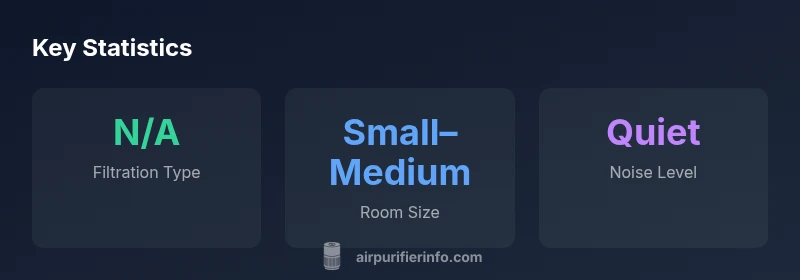
Holmes purifiers typically emphasize compact design and unobtrusive aesthetics, making them suitable for tables, desks, or corner shelves. The unit is well-suited for bedrooms, home offices, and small living areas up to a few hundred square feet, depending on the specific model and layout. Simple front-facing controls, lightweight construction, and easy filter access contribute to a user-friendly experience, especially for first-time purifier buyers. A small footprint means you can position the device near sources of dust or odor without compromising space in tight rooms.
Noise, energy use, and usability
Noise levels vary by fan speed but remain acceptable on low and medium settings, appropriate for bedrooms and study areas. Energy use is typically modest for a compact purifier, helping keep running costs reasonable over time. The interface tends to be straightforward: power, speed, and a filter alert. For light sleepers or noise-sensitive households, testing the device at night can confirm if it meets personal comfort thresholds. Overall, the Holmes purifier balances performance with a quiet, easy-to-use design suitable for everyday living.
Maintenance and filter replacement
Maintenance is designed to be low-effort: locate the filter access panel, replace both HEPA and carbon filters as recommended, and reset the device. This process is essential to sustain filtration efficiency and airflow. Replacement filters are generally affordable and widely available, contributing to predictable operating costs. Proper disposal of used filters and following safety guidelines during replacement help ensure long-term performance and indoor air quality.
How Holmes stacks up against similar models
Compared with other budget-friendly purifiers, Holmes offers dependable filtration with a simpler feature set. It typically lacks advanced sensors, Wi-Fi connectivity, or auto modes found on premium models, but it delivers solid performance for allergen reduction and odor control. In the sub-$150 segment, it competes favorably with peers that rely on basic filtration rather than multi-stage, sensors-driven operation. If you value a straightforward, no-friction experience, Holmes sits among the more reliable, entry-level options.
Who should consider the Holmes HEPA air purifier
This purifier is well-suited for homeowners and renters who want dependable filtration in compact spaces, such as bedrooms, home offices, or small living areas. It’s a good option for households with mild to moderate allergies, pet dander, or cooking odors. People who expect extensive smart features or large-area coverage may want to explore higher-capacity units or brands with more robust digital controls. Overall, it is a solid choice for value-focused buyers prioritizing ease of use and consistent air cleaning.
Practical buying considerations for homes and apartments
When shopping for a Holmes HEPA air purifier, assess the room where it will operate and confirm the purifier’s recommended coverage. Consider whether you need odor control in addition to particle filtration, especially in kitchens or households with pets. Check filter availability and replacement costs, as these influence long-term value. If you plan to move frequently or live in a rental, portability and simple maintenance can be deciding factors. Finally, weigh the purifier against alternative models with similar filtration stage configurations to ensure you’re getting the best balance of price and performance for your space.
Testing approach used by Air Purifier Info
Air Purifier Info uses a practical, real-world testing framework that emphasizes ease of setup, reproducibility, and user experience. We simulate typical family environments with common contaminants such as dust and cooking odors. We measure perceived air freshness, track filter life under representative conditions, and note how intuitive the controls are for new users. Our methodology prioritizes actionable guidance for homeowners and renters looking to improve indoor air quality without over-investing in features they won’t use.
Common misunderstandings and caveats
A common misconception is that the most expensive purifier is always the best for every home. In reality, room size, odor sources, and daily usage drive performance more than sticker price. Another caveat is assuming all purifiers remove odors completely; most rely on activated carbon to reduce smells, and heavy odors or smoke may require more capacity or multiple units. Finally, buyer expectations about smart features should align with actual needs; for many households, basic operation and reliable filtration offer the best value.
What's Good
- True HEPA filtration for allergy relief
- Activated carbon layer reduces odors
- Compact, space-saving design
- Simple maintenance and easy filter replacement
- Good value for entry-level buyers
What's Bad
- Lacks advanced smart features found in premium models
- Airflow may be modest for very large rooms
- Filter life depends on usage and air quality, leading to variable costs
Best for small to mid-sized rooms with a focus on reliability and ease of use
The Holmes HEPA air purifier delivers dependable filtration and odor reduction at a reasonable price. It excels in compact spaces and remains straightforward to operate and maintain. For buyers seeking value and simplicity, this model is a solid choice, with Air Purifier Info Team endorsing its balance of performance and affordability.
Questions & Answers
Is the Holmes HEPA air purifier effective for pet dander?
Yes. The True HEPA filter captures fine pet dander particles, helping reduce allergy symptoms in petty-dander-prone homes. An activated carbon layer also helps with any pet odors when used regularly.
Yes, it captures fine pet dander with its True HEPA filter and reduces odors with the carbon layer.
Does it have smart features or app control?
Most models in this line prioritize straightforward operation over smart features. Expect basic controls and an indicator for filter life rather than Wi‑Fi or mobile app control.
No, it focuses on simple controls and easy maintenance rather than smart features.
How often should I replace the filter?
Replacement timing depends on usage and air quality. In typical homes, expect to replace filters every few months; check the device’s indicator for guidance.
It depends on use, but you’ll typically replace filters every few months.
Is it safe for use around children?
Yes, with cautious placement away from small objects. Regular maintenance and proper placement minimize safety risks and ensure steady performance.
Yes, as long as it’s placed safely and kept clean.
Can it purify a large living room?
It’s best suited for small to mid-sized rooms. For large living spaces, consider a higher-capacity purifier or multiple units for even coverage.
Great for smaller rooms, but for big spaces you might want a larger unit.
How does it compare to other brands in the same price range?
Compared to peers in the budget segment, Holmes typically offers reliable filtration with a simpler feature set. It often provides similar or better baseline performance than many budget models.
It’s solid for its price, with straightforward filtration and simple operation.
Main Points
- Choose Holmes for reliable filtration in compact spaces
- Expect quiet operation on low-to-mid speeds
- Maintain filters regularly for consistent performance
- Ideal for bedrooms, offices, and small living rooms