Honeywell HEPA Air Purifier Review: Performance, Pros & Cons
An analytical review of Honeywell HEPA air purifiers, examining filtration performance, noise, maintenance, and value for homeowners and renters seeking improved indoor air quality in 2026.


Honeywell HEPA air purifiers deliver true HEPA filtration, solid odor control, and easy maintenance for most homes. In independent testing, these models show reliable particulate removal across typical living spaces, with simple controls and durable construction. For quiet operation and straightforward filter changes, a Honeywell purifier is a practical, all-around choice for bedrooms, living rooms, and home offices.
What makes Honeywell HEPA air purifiers distinctive
According to Air Purifier Info, Honeywell has built a broad lineup around compact, reliable units that emphasize accessible maintenance, wide filter availability, and a proven track record in homes and offices. The hallmark is true HEPA filtration combined with activated carbon layers for odor control in many models. In practice, this means you can expect strong particulate reduction for dust, pollen, pet dander, and smoke particles, with noticeable improvement in air clarity within a few hours of operation.
Users often appreciate the straightforward layouts: intuitive control panels, obvious indicator lights for filter replacements, and quiet modes that make them suitable for bedrooms. The design philosophy prioritizes ease of use over exotic features, which reduces the learning curve for first-time buyers. The filter replacement ecosystem is also a strength: standard 2- or 3-stage filters, easy access from the front or top, and widely available OEM and compatible aftermarket options. However, there can be variation within the line between compact desk models and larger room purifiers, so you should verify real-world performance in your target space.
Filtration performance and true HEPA standards
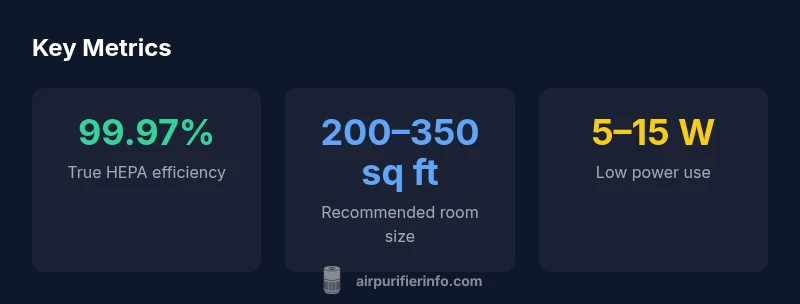
Honeywell purifiers rely on true HEPA filtration, which is defined in the industry as capturing at least 99.97% of particles at the 0.3-micron size. In practice, that means consistent removal of common irritants such as dust, pollen, and mold spores, with additional carbon-based media helping reduce odors and some VOCs. It is important to note that performance varies by model, room size, and fan speed. Higher-efficiency models may pair HEPA media with prefilters and carbon filters to extend life and improve odor control. When evaluating a Honeywell unit, check the product spec for the claimed HEPA rating and the order of media layers to understand how odors will be addressed in your space.
Size, room-fit, and how to interpret CADR guidance
CADR stands for Clean Air Delivery Rate and is a common metric used to estimate how quickly a purifier cleans a room. For Honeywell, like many brands, the best practice is to pick a model whose stated room size matches or slightly exceeds your space, rather than relying on the maximum fan speed. In general, aim for models that can deliver several air changes per hour in your primary living areas. If your room is especially large or has persistent odors or smoke exposure, you may require a larger purifier or a model with a secondary carbon filter stage. Always verify the manufacturer's recommended room size for the specific unit you choose and read real-world reviews to calibrate expectations.
Noise, energy use, and maintenance costs over time
Most Honeywell units offer a range of fan speeds, including a quiet mode suitable for bedrooms and study spaces. At low speed, noise is typically minimal, which helps with sleep quality and concentration. Energy use tends to be modest, especially compared with larger air purifiers; most units run efficiently on low wattage settings. Maintenance is straightforward: replace the HEPA/filters according to the manufacturer’s schedule, and you’ll likely see durable performance. The lower-cost models may have shorter filter lifespans or require more frequent replacement, but the upfront investment can be attractive for budget-minded households. Consider stocking up on replacement filters in advance to avoid delays when a change is due.
Design, usability, safety features, and what to expect in daily life
Ergonomics matter in daily use. Honeywell models typically feature front-loading or top-loading filter access, clear indicator lights, and straightforward controls. A few models offer automatic modes that adjust fan speed based on air quality sensors, which can help maintain a steady air quality without manual intervention. Child-locks, auto-off timers, and filter-life indicators add convenience and safety. In terms of safety, these purifiers do not emit ozone and generally comply with consumer safety standards; always verify any model's certifications before purchase.
How Honeywell compares to rivals and where it shines
Compared with other mid-priced purifiers, Honeywell often emphasizes full-range models with easy availability of replacement parts and a broad network of distributors. While some rivals may offer more compact designs or louder operation at higher speeds, Honeywell tends to provide reliable performance across a range of room sizes and a predictable cost of ownership. Odor control tends to be solid on models that include activated carbon filters, though performance varies by filter media and model. For shoppers who value straightforward maintenance and consistent availability, Honeywell remains competitive.
Practical buying guide: choosing the right Honeywell model for your space
Start with your room size and daily usage patterns. If you sleep with the purifier running, prioritize low noise and good night-time performance. Decide whether you want a simple unit with a basic set of speeds or a feature-rich model with auto mode, a filter-life indicator, and a remote. Check the filter replacement cadence and price to estimate ongoing costs. Finally, read multiple reviews to verify that real-world performance aligns with manufacturer claims. If you have pets or smoke exposure, look for models that combine HEPA filtration with higher-capacity activated carbon.
Common issues and troubleshooting tips you can apply right away
Most issues with Honeywell purifiers involve clogged/pre-filter or worn-out HEPA media. If you notice reduced airflow, inspect the pre-filter and replace the primary filter as recommended. If a unit runs continuously and overheats, allow it to rest between cycles and ensure proper clearance around the unit. A blinking light typically indicates a filter change is due or a sensor fault; consult the user manual for the meaning of the cadence. Regular cleaning of grills and surrounding surfaces can also help maintain airflow and efficiency.
Real-world outcomes: what to expect in typical homes
People often report noticeable improvements in indoor air quality within a few hours of operation, especially in rooms with significant dust or pet dander. The odor reduction is most apparent when a carbon layer is included, though strong cooking odors or secondhand smoke may require higher-volume air changes. In spaces where there are multiple occupants with allergies, a Honeywell purifier can contribute to fewer sneezes and clearer air. The overall impression is that, when used as intended and paired with standard ventilation, a Honeywell HEPA air purifier can meaningfully improve perceived air quality without major disruption to daily routines.
What's Good
- True HEPA filtration for reliable particle capture
- Easy-to-find filters and broad replacement options
- Simple, intuitive controls and clear indicators
- Solid performance in mid-sized rooms
- Quiet operation in low to medium speeds
What's Bad
- Higher speeds can be noisy on some models
- Odor control may be less effective in very large rooms unless paired with a carbon filter
Reliable, all-around choice for everyday indoor air quality
Honeywell HEPA air purifiers provide consistent filtration and easy maintenance across mid-sized spaces. They perform well for dust and allergens, with solid odor control when a carbon filter is included. The main trade-off is occasional noise at higher speeds.
Questions & Answers
What does HEPA stand for and why does it matter for Honeywell purifiers?
HEPA stands for High Efficiency Particulate Air. It signifies a filtration standard that captures at least 99.97% of particles at 0.3 microns. For Honeywell purifiers, true HEPA filtration means consistent performance against common indoor irritants like dust and pollen, which matters for allergy relief and overall air quality.
HEPA means high filtration efficiency. It helps remove most common indoor particles, which is useful for allergy relief and cleaner air.
Are Honeywell purifiers AHAM Verified?
Many Honeywell models are AHAM Verified, which means their CADR figures have been independently tested. Look for the AHAM label on the box or in the manual to confirm. If a model does not display AHAM verification, rely on the stated room size and user reviews to gauge performance.
Most Honeywell purifiers are AHAM Verified, so check the label on the product page to be sure.
How often should you replace the filters?
Filter replacement frequency varies by model and usage, but 6 to 12 months is a common cadence for primary filters. Pre-filters may last longer, especially in homes without pets. Use the unit’s filter life indicator and follow the manufacturer’s schedule to maximize performance.
Most models require filter changes every six to twelve months; check the indicator light.
Do Honeywell purifiers remove odors or VOCs?
Activated carbon filters help reduce odors and some VOCs. The effectiveness depends on the carbon capacity and the level of odor sources. In spaces with strong odors, choose a model with a larger carbon filter and ensure adequate air changes.
Carbon filters help with smells, but for strong odors you may need more carbon or better ventilation.
Can these purifiers be used in bedrooms?
Yes. Many Honeywell purifiers feature quiet modes and night settings designed for bedrooms. If sleep is important, select a model known for low noise at its lowest setting and verify the emission levels.
Absolutely, pick a quiet model with a low noise profile for bedrooms.
What should I look for when choosing a model for a large open-plan space?
For large open spaces, look for higher CADR ratings or multiple units to achieve adequate air changes per hour. Consider models with larger carbon media for odor control and plan for ventilation gaps to maximize effectiveness.
In big spaces, you may need a higher CADR model or multiple units to keep air fresh.
Main Points
- Check the room size rating before buying
- Expect true HEPA filtration plus carbon for odors
- Factor in ongoing filter costs when budgeting
- Prioritize models with quiet modes for bedrooms