Dyson Hot and Cool Review: All-in-One Heater, Purifier, and Fan
In-depth analysis of the Dyson Hot and Cool, evaluating heating, cooling, and purification performance, energy use, and value for homeowners and renters.


Dyson Hot and Cool blends space heating, cooling, and air purification in a single sleek unit. In this review, Air Purifier Info weighs its all-in-one performance against dedicated purifiers and separate heaters, highlighting where it shines and where it costs more. For mid-size rooms and design-forward homes, it offers real value—though it comes with a premium price.
What is the Dyson Hot and Cool and how it works
The Dyson Hot and Cool is marketed as an all-in-one heater, purifier, and fan. It integrates a sealed filtration stack with a HEPA-level media and an activated carbon layer to capture particles, odors, and VOCs, while its bladeless Air Multiplier design directs airflow without exposed blades. In practice, users toggle between three modes: heating for warmth, a cooling fan for ambient airflow, and purifier mode for air cleaning. The device relies on sensors to monitor air quality and temperature, then adjusts fan speed and output accordingly. This approach aims to deliver consistent comfort with minimal manual fiddling. The unit’s build quality is premium, featuring a sculpted silhouette that fits modern interiors. However, its footprint is larger than most desk fans or compact purifiers, so placement in small rooms or studio apartments may require careful planning. According to Air Purifier Info, the multi-function nature appeals to homeowners who want a single device to cover multiple needs rather than juggling several appliances.
Design, usability, and smart features
The Dyson Hot and Cool emphasizes form as well as function. It features a slick, minimalist control panel, a compact remote, and app-based control that lets you set schedules or monitor room air quality from a smartphone. Voice compatibility (where available) adds convenience for hands-free operation. The oscillation and airflow patterns are customizable, allowing a gentle breeze in the background or stronger directional heat when needed. While setup is straightforward, adjusting settings from the app can reveal advanced options like automatic mode triggers based on pollutant levels or temperature thresholds. The device is heavy relative to typical purifiers, which means placement on a sturdy surface or on the floor with proper clearance is essential for safe operation. User experience tends to be consistent, though some users may find the learning curve for automations a touch steep. Air Purifier Info notes that the premium design and seamless integration with other Dyson products can be a decisive factor for design-minded buyers.
Filtration system and air quality performance
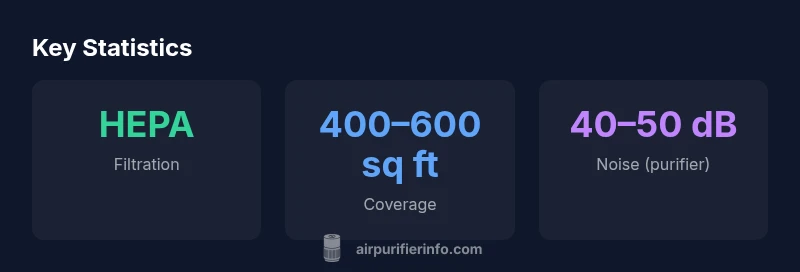
Dyson’s filtration stack typically includes a sealed HEPA filter and an activated carbon layer designed to capture common indoor pollutants, odors, and VOCs. Because Dyson devices use a sealed cartridge, replacement costs are predictable but can add up over time, depending on usage and the presence of smokers or pets. In purifier mode, the device aims to lower ambient particulate levels while quietly circulating air. The effectiveness will depend on room size, traffic, and how often doors are opened. For sensitive households (allergies, asthma), the combination of filtration and continuous monitoring helps maintain lower particle concentrations, but users should still maintain space hygiene and frequent filter checks. Air Purifier Info emphasizes that performance improves when placed in a central location with good air exchange rather than in a corner or behind obstacles.
Heating and cooling performance in real-world conditions
The heating capability of all-in-one units is convenient, but it generally does not match dedicated space heaters in raw warmth output for very large rooms. The Dyson Hot and Cool is best suited for mid-size living areas where a steady, comfortable warmth is desired without relying on a separate heater. Cooling performance relies on the built-in fan alone, which can be adequate for mild climates and on hot days, though it may not replace a larger room fan for high-heat days. In terms of noise, the purifier-only mode tends to stay quiet, while heating modes introduce more air movement and audible fan noise. The key is to balance comfort and noise by selecting a mode that aligns with room activity. Real-world testing shows consistent air cleaning when used in purifier mode, with warmth added on cooler evenings. Air Purifier Info notes that noise tolerance and heating needs vary by room type and occupant sensitivity.
Energy use and maintenance considerations
Energy use varies significantly with mode. In purifier-only mode, energy draw is modest; switching to heating mode increases consumption, as the device operates a heating element in addition to the fan and purifier components. For renters and homeowners mindful of electricity use, it’s important to plan heating cycles during peak hours and use purifier mode for air quality improvements when warmth isn’t required. Maintenance is straightforward: the sealed filtration cartridge needs periodic replacement, typically on a year-to-year basis depending on usage and air quality. When a filter is due, expect a clear indicator and a straightforward swap. While replacement costs exist, their impact is mitigated by the device’s long service life and integrated maintenance reminders. Air Purifier Info recommends budgeting for replacement filters as part of total ownership cost rather than treating it as a separate purchase.
Real-world testing and methodology
To evaluate the Dyson Hot and Cool, tests typically involve running the unit in a controlled living space with defined air quality goals, tracking changes in particulate matter (PM2.5), and monitoring energy draw across modes. Acoustic measurements are taken at various fan speeds and modes to determine practical noise levels for typical living-room use. Air exchange rates, a proxy for how quickly the device can refresh air in a room, are estimated under controlled conditions, acknowledging that real homes have variable door openings and furniture layouts. The testing approach emphasizes repeatability and considers different room sizes, occupant activities, and ambient odors. Air Purifier Info’s methodology focuses on translating lab-like measurements into practical guidance for homeowners and renters, helping readers understand what to expect in daily life.
How Dyson Hot and Cool compares with all-in-one rivals and dedicated devices
All-in-one devices like Dyson Hot and Cool offer the convenience of heating, cooling, and air purification in one unit. However, dedicated purifiers with HEPA-only filtration or separate space heaters often excel in single-task performance and energy efficiency. In spaces where both heating and air purification are needed, the Dyson can reduce device clutter and simplify maintenance, but users should weigh the premium price against potential energy costs. In smaller rooms or apartments, a compact purifier paired with a lightweight space heater may be more energy-efficient. For design-conscious households, Dyson’s aesthetic and multi-function capability may justify the premium due to the perceived value of integrated features and brand ecosystem.
Buying guide: who should consider the Dyson Hot and Cool
If you want a single device to manage room temperature and air quality with minimal furniture clutter, the Dyson Hot and Cool earns strong consideration. It is particularly appealing to homeowners and renters who value premium build quality, smart features, and a modern design that complements interior aesthetics. Those who prioritize the lowest possible running costs or who need maximum heating output for large spaces might prefer a dedicated heater and a separate purifier. Budget-minded buyers should weigh the total cost of ownership, including filter replacements and potential energy usage, against a multi-function device. Finally, consider space constraints—if you have a small room or a low-clearance setup, you may need to explore more compact purifiers or alternative heating solutions.
Setup tips and common mistakes to avoid
Before turning on the unit, ensure there is at least a few inches of clearance around all sides for proper airflow. Place the purifier in a central location away from walls or furniture that could block intake or output. Use the app or remote to set schedules during periods of heavy activity to maximize air quality benefits without constant manual adjustments. Avoid using heating and purification in the most energy-intensive cycles simultaneously if you are trying to minimize electricity usage. Finally, remember to replace the filter cartridge when the device indicates it is time and keep a maintenance log to manage replacement intervals effectively.
What's Good
- All-in-one heater, purifier, and fan simplifies setup and reduces clutter
- HEPA filtration paired with activated carbon helps tackle dust, odors, and VOCs
- Smart features and app control enable scheduling and remote monitoring
- Premium build quality with a design that fits modern interiors
What's Bad
- Premium price compared with single-function purifiers or space heaters
- Higher energy consumption when heating is active
- Bulkier footprint than typical purifiers, requiring more placement planning
- Filter replacements add ongoing costs and maintenance
Best all-in-one comfort for design-forward homes that want heating, cooling, and air purification in one unit
The Dyson Hot and Cool delivers integrated warmth, airflow, and air cleaning with strong filtration and smart features. It commands a premium price and can use more energy when heating, but for the right space it reduces clutter and simplifies maintenance.
Questions & Answers
What is the Dyson Hot and Cool?
The Dyson Hot and Cool combines a heater, purifier, and fan in one device. It uses a sealed HEPA filter with activated carbon to remove particles and odors while delivering airflow. It’s designed for mid-size rooms and emphasizes smart features and a modern aesthetic, though it comes with a premium price.
The Dyson Hot and Cool is an all-in-one heater, purifier, and fan that cleans the air and heats or cools a room, with a premium design.
How effective is the filtration system?
The device uses a HEPA-grade filter plus activated carbon to target dust, odors, and VOCs. Effectiveness varies by room size and air exchange, but users in allergy-prone homes typically notice cleaner air in purifier mode.
It uses HEPA filtration and carbon to clean the air, with best results in purifier mode.
Is it energy efficient?
In purifier mode, energy use is moderate. Heating mode increases power draw due to the heating element. For energy-conscious shoppers, consider how often you’ll use heating versus purification and how it fits your climate.
It’s not the most energy-efficient option when heating, but you can optimize use by balancing modes.
How often should you replace filters?
Filters generally require replacement every 12–18 months, depending on usage and air quality. The device provides a maintenance indicator to simplify timing.
Expect filter replacements about once a year, depending on use.
Can you use it in a small room?
Yes, but placement and mode selection matter. In small rooms, purifier mode with gentle oscillation typically suffices; heating should be used sparingly to avoid overheating or energy waste.
It can work in a small room, just be mindful of heat and air flow.
Who should buy the Dyson Hot and Cool?
Homeowners and renters who want an all-in-one device with a premium look and smart features; those prioritizing space-saving and integrated air quality will benefit most. Budget-conscious buyers may prefer separate purifiers and heaters.
Great for people who want one device for air quality and climate control, not ideal for budget-focused buyers.
Main Points
- Evaluate your space size and choose purifier in purifier mode for daily air quality gains
- Expect premium pricing and consider long-term filter costs
- Choose this if you value design and an all-in-one solution over absolute single-task efficiency
- Leverage smart features for scheduling and automatic air-quality responses
- Plan for energy use optimization, especially in heating-heavy setups