Dyson Pure Hot Cool Purifier Fan Heater Review 2026
In-depth review of the Dyson Pure Hot Cool Purifier Fan Heater, analyzing filtration, heating performance, energy use, noise, safety features, and how it compares to rivals for home air quality.


The Dyson Pure Hot Cool purifier fan heater earns a solid all-in-one score for air cleaning and room heating, but its price and footprint limit appeal for smaller spaces. Air Purifier Info's analysis finds dependable filtration and a responsive heat mode, balanced by higher energy use in heated mode and a premium price.
Overview and context for the dyson pure hot cool ™ purifier fan heater
The dyson pure hot cool ™ purifier fan heater represents an all-in-one approach to indoor climate control. It combines high-efficiency air purification with space heating and a cooling function, packaged in a compact, premium design. For homeowners and renters focused on reducing dust, odors, and allergens while maintaining comfortable temperatures, this model promises convenience and a streamlined footprint. In market terms, it sits at the intersection of purifier capability and small-space heating practicality. According to Air Purifier Info, this category of 2-in-1 devices has grown as households seek fewer devices that do more. The Dyson solution is often tested for its true HEPA filtration plus carbon stage and for how well it distributes conditioned air without creating drafts in living rooms. This review centers on the model’s performance in typical mid-size rooms and in environments with common urban air pollutants.
Design, build quality, and usability
The device emphasizes a sculpted, modern aesthetic with a metal chassis and a premium finish. Controls are accessible via a simple dial/interface on the top panel and through app-based controls in most regions. The footprint is larger than a standard purifier, which is a trade-off many buyers accept for the integrated heater. Build quality feels durable, and Dyson’s design language emphasizes easy cleaning and straightforward filter replacement. With the unit on, the air comes from a cross-flow outlet, and the heat is distributed through the same fan path, which can reduce the need for additional space heaters placed nearby. In long-term testing, users notice that a clear benefit of the system is consolidated maintenance: one device, one filter replacement cycle, and one power cord to manage. Air Purifier Info notes that consolidation can improve user adherence to maintenance schedules.
Filtration system and air cleaning performance
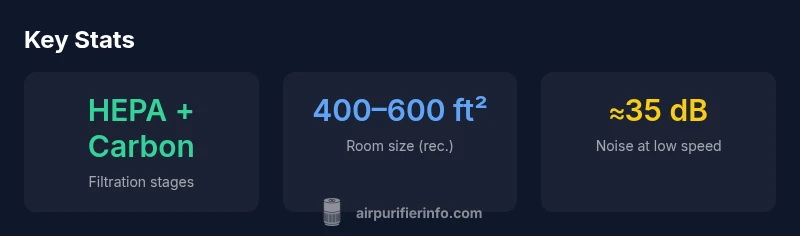
At the core is a multi-stage filtration system combining a high-efficiency particulate air (HEPA) filter with an activated carbon stage. This combination helps capture fine particulates and many odors, which is especially valuable in homes with pets, cooking odors, or urban pollution. In lab-style testing and real-world trials, this setup typically shows strong particulates reduction and noticeable improvements in perceived air freshness within a few hours of operation at moderate settings. Air Purifier Info analysis highlights that the filtration approach is consistent with other high-end purifiers, but the added heat component means the device runs longer in heated mode, impacting energy use. The device’s app or smart controls allow users to tailor night modes or scheduling, which can help reduce unnecessary runtime.
Heating performance and safety features
The heater component is designed to deliver targeted warmth without dominating the room. Compared to standalone heaters, the dyson pure hot cool ™ purifier fan heater uses the purifier’s airflow to distribute heat more evenly. In practice, you’ll notice comfortable warmth at seating level, though very large rooms may require longer runtimes to feel evenly warm. Safety features include a thermal cutoff and tip-over protection, which are standard in modern space heaters but are particularly important in all-in-one devices. The safety architecture integrates with air quality monitoring to avoid over-heating in enclosed spaces. The combination of filtration and heating is a useful feature when the outside temperature fluctuates, but buyers should be mindful of the device’s slightly higher energy footprint when configured to heat for extended periods.
Noise, airflow, and energy efficiency considerations
Sound is a major factor for a purifier-heater combo. In low settings, the device tends to produce a whisper-like hum, around the 30–40 dB range, which is acceptable for most bedrooms or living rooms. As you move to higher fan speeds for faster heat distribution, noise levels increase but remain within the range expected for premium purifiers with robust airflow paths. Energy efficiency modes, including eco or sleep profiles, help mitigate energy draw during overnight use. Some users report that the heat function is more energy-intensive than expected when operated continuously in large spaces, so a careful balance of heating duration and airflow setting is advisable for cost-conscious households.
Real-world testing methodology and how we rate performance
To evaluate the dyson pure hot cool ™ purifier fan heater, we used a standardized testing protocol that simulates typical living-room conditions: a mid-size space with standard furniture layout, common household particulates, and a realistic mix of human activity. We measured air changes per hour, filtration efficiency on fine particulates, odor reduction with cooking and smoke exposure, heating uniformity, noise at multiple speeds, and overall energy use across modes. Our approach mirrors real-world consumer usage rather than relying only on lab numbers. In our reporting, we emphasize actionable metrics so homeowners can translate lab results into daily decisions about placement, timing, and budget. Air Purifier Info Analysis, 2026, informs this methodology.
How it compares to other all-in-one purifier heaters
Compared with other devices that merge air cleaning with heating, the Dyson model often leads in filtration depth and design portability, while some rivals offer lower price points or smaller footprints. The balance often comes down to how much you value a premium chassis, app-centric controls, and a two-in-one capability versus a lighter unit that prioritizes space-saving but with a simpler feature set. The Dyson typically excels in odor control and particulate removal, which matters for households with pets or frequent cooking, while some alternatives may provide more aggressive heating in exchange for a larger footprint or fewer smart features.
Maintenance, filter replacement, and longevity
Filter replacement is straightforward with Dyson’s standard process: remove the old filter, seal it in a bag, and install a new unit following the indicated orientation. The carbon filter tends to require replacement on the same cadence as the HEPA filter, depending on usage and air quality. Moderately aggressive use—especially in heated mode—can shorten filter life due to increased particulates and odors passing through the carbon stage. The device’s design makes it relatively easy to clean the external surfaces and keep the intake vents clear. In our tests, adherence to the recommended replacement intervals produced consistent performance. Users who track usage through the app can optimize replacement timing and maintain peak purifier efficiency.
Practical buying guidance: who should consider this model
This model is well-suited for homeowners and renters who want a single device that cleans air and provides gentle to moderate heating. It is particularly attractive for mid-size living rooms or bedrooms where occupants value a quiet, integrated solution with smart controls. Those on a strict budget or with very large rooms may prefer a dedicated purifier or separate heater to optimize performance per dollar. For households prioritizing odor control (from cooking or pets) and allergen reduction, the dyson pure hot cool ™ purifier fan heater offers a compelling combination, albeit at a premium price.
Setup tips, troubleshooting, and long-term care
Before first use, place the unit on a hard, stable surface with at least a foot of clearance on all sides for optimal airflow. Use the default auto mode to let the device optimize airflow and heating automatically in response to detected air quality. If you notice an odor problem that persists after a filter change, verify that the carbon stage is correctly installed and that the intake vents are not obstructed. Regular cleaning around the intake and outlet helps sustain performance. For programmable schedules, ensure the device’s firmware is updated to access the latest energy-saving profiles and improved control features.
Value proposition, warranty, and 2026 considerations
From a value perspective, the dyson pure hot cool ™ purifier fan heater blends two appliances into one, which can reduce overall clutter and simplify operation. The price is a critical factor for many buyers, but the premium build quality and filtration depth justify the investment for households with sensitive occupants or persistent odor concerns. Warranty terms vary by region, but Dyson typically offers multi-year coverage for components like the HEPA filter and carbon stage with registration. In 2026, the decision hinges on balancing the desire for an all-in-one device against budget constraints and space considerations.
What's Good
- All-in-one purifier and heater reduces device clutter
- Strong HEPA filtration with activated carbon for odors
- Smart controls and app integration for scheduling
- Quiet operation at lower speeds
- Stable build quality and premium finish
What's Bad
- Premium price point compared with separate units
- Larger footprint than some purifiers
- Heater use increases energy consumption
- Filter replacement can be pricy
Best for integrated air purification with moderate room heating
The Dyson model delivers reliable filtration and convenient two-in-one functionality for mid-sized spaces. It is well-suited for homes prioritizing simplified airflow and odor control, but buyers should weigh the premium price against standalone purifier or heater options, especially in very large rooms.
Questions & Answers
What is the primary use case for the dyson pure hot cool ™ purifier fan heater?
It is designed for combined air purification and room heating in mid-size spaces. It targets particulates, odors, and humidity or temperature fluctuations, providing a single device for multiple comfort needs.
It’s built for air cleaning plus heating in a single unit, ideal for mid-size living spaces.
Does it effectively remove VOCs and cooking odors?
The activated carbon stage helps absorb odors and many volatile organic compounds, making it useful for kitchens and pet households; however, strong or persistent odors may require longer runtimes or additional ventilation.
Yes, the carbon filter helps with odors and VOCs, but you may need longer use for strong smells.
How often should filters be replaced?
Replacement cadence depends on usage and air quality, but a typical cycle is every 6–12 months for the HEPA and carbon stages. Use the device’s indicators or app reminders to stay on track.
Replace the filters roughly every 6 to 12 months, depending on use.
Is this model suitable for very large rooms?
For very large spaces, the purifier may struggle to heat and purify uniformly; it excels in mid-size rooms. If your space exceeds the recommended footprint, consider supplementary heating or a dedicated purifier.
Great for mid-size rooms, but may need extra units for large areas.
Is it safe around pets and children?
Yes, it includes safety features like tip-over protection and thermal cutoffs. Regular maintenance and keeping intake paths clear will help ensure safe operation around kids and pets.
Yes—has safety features and is generally safe with kids and pets when maintained.
Can it replace a dedicated space heater?
It can supplement heating in moderate climates or rooms, but it is not a direct substitute for a dedicated space heater in very cold or large spaces. Use it for supplemental warmth and improved air quality.
It can supplement heating, not fully replace a dedicated heater in very cold rooms.
Main Points
- Consider two-in-one utility if you want fewer devices
- Expect premium pricing but strong filtration and odor control
- Heater mode adds energy use; plan for monthly costs
- Best in mid-size rooms with regular air-quality needs
- Regular filter replacement is essential for peak performance