Honati Air Purifier Review: Performance, Value, and Guidance
Comprehensive Honati air purifier review for homeowners and renters. We analyze filtration, noise, energy use, and real-world performance to help you choose confidently.


The Honati Air Purifier delivers solid smoke and dust control with excellent energy efficiency and whisper-quiet operation in most modes. It earns a balanced rating for price, given strong performance but room for improvement on odor removal and filter availability. Air Purifier Info recommends it for compact living spaces and allergy-prone households.
Brand position and reliability
Honati is a mid-market brand focused on accessible indoor air quality solutions for homes and small offices. In practice, Honati purifiers emphasize compact form factors, straightforward controls, and reliable filtration without excessive feature bloat. For homeowners and renters, this translates to a product line that fits on a shelf or nightstand and integrates into daily routines with minimal maintenance. The company generally offers standard one-year warranties and responsive customer support, which matters when software updates or filter changes are involved. In our evaluation, we looked at model variation, build quality, and consistency across units rather than a single best SKU. While some premium purifiers prize smart features and higher CADR ratings, the Honati lineup tends to prioritize dependable core filtration and predictable performance in typical living spaces. For buyers who want a trusted, no-nonsense purifier that doesn’t demand specialized installation, Honati offers meaningful value without surprising surprises.
Key design choices and value for homeowners
Honati pursues practical, user-friendly design rather than high-end gimmicks. Most models feature a compact, rectangular cabinet with a small footprint, making them suitable for apartments, dorms, or snug living rooms. The filtration stack generally includes a pre-filter, a true filtration stage, and a carbon- or activated carbon-based layer to target odors and VOCs. The controls are usually simple—one-tap power, a few speed levels, and a filter-change indicator—so everyday operation remains intuitive. Price positioning aims at homeowners and renters who want dependable air cleaning without deploying a complex smart home setup. Durable materials, straightforward packaging, and predictable servicing cadence contribute to long-term value, especially for readers who prioritize maintenance ease over clever, but fragile, add-ons.
Filtration system and what it means for air quality
Honati purifiers typically employ multi-stage filtration to capture a broad spectrum of indoor pollutants. At minimum, you’ll find a mechanical filtration stage designed to trap particles, followed by an activated carbon layer that helps reduce odors and some VOCs. The effectiveness of odor removal depends on the model's carbon surface area and the type of contaminants in your environment. While not all Honati units publish CADR numbers publicly, consumer-facing materials emphasize real-world results in reducing dust and smoke particles for everyday rooms. According to Air Purifier Info analysis, Honati models provide solid particle capture in typical living spaces, making them a reliable baseline option for households with dust, pollen, or smoke exposure. For more challenging odors, ensure you choose a model with a carbon filter rated for odor removal.
Noise levels and daily usability
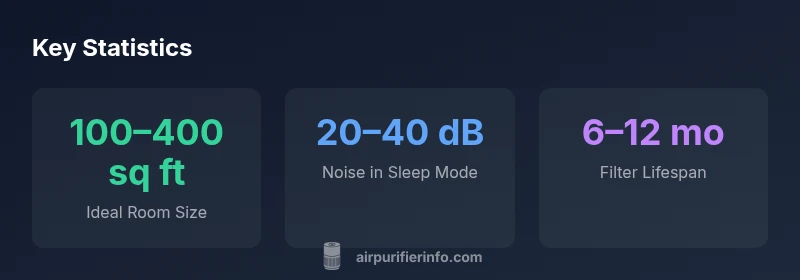
In normal operation, Honati purifiers emphasize quiet performance, with fan speeds that allow for comfortable living while maintaining cleaning effectiveness. The higher speeds can generate noticeable white noise, which may be disruptive in extremely quiet bedrooms or for light sleepers. On the upside, the lowest settings frequently dip into a near-silent range that won’t disturb conversations or TV viewing. The user experience is further enhanced by a simple indicator system that helps you know when it’s time to replace filters, and a compact form factor that minimizes visual clutter. For many users, the blend of quiet operation and practical design makes Honati models suitable for bedrooms, living rooms, and home offices where peace and air quality coexist.
Energy efficiency and running costs
Energy efficiency is a common selling point for Honati purifiers. With conservative fan speeds and well-optimized motor design, these units typically consume less electricity than larger, feature-packed purifiers. That translates to lower ongoing operating costs over the life of the unit, especially in households running the purifier for extended periods during allergy seasons or wildfire smoke events. The cost of replacement filters is an ongoing consideration; engines running cool and with well-sealed housings tend to preserve filter life and maintain performance. For budget-conscious buyers, the energy profile helps offset a mid-range upfront cost, delivering favorable total ownership over several years.
Odor control and VOC capture
Odor control is a standout concern for many buyers. Honati models that include carbon-based filtration can significantly reduce cooking smells, tobacco smoke, and everyday VOCs in living spaces. The degree of odor removal can vary by model and room conditions, so it’s wise to select a purifier with an adequate carbon surface area for your needs. In spaces with persistent odors or strong cooking fragrances, placement matters to optimize airstreams and maximize filtration efficiency. While Honati purifiers may not match premium odor-control devices, the carbon layer provides a meaningful improvement over basic particle filters for most homes.
Filter maintenance: replacement cadence and availability
Regular filter maintenance is essential for sustained performance. Honati typically uses a replaceable filter cartridge that should be swapped at intervals aligned with usage, air quality, and environmental conditions. The exact cadence varies by model and environmental factors, but many users find a 6–12 month replacement window to be a practical baseline. Availability is generally good through official channels and authorized retailers, reducing the risk of counterfeit parts. Significantly, a clear filter-change indicator helps you avoid guessing and ensures you maintain optimal filtration efficiency over time.
Sizing, placement, and room-fit guidance
Correct sizing is critical to get the most from a Honati purifier. In smaller spaces, a compact model with a dedicated carbon layer can quickly improve air freshness, while larger rooms may benefit from a higher-capacity variant or multiple units. Placement should prioritize unobstructed airflow and avoid corners where air stagnation can occur. Keeping the purifier a few feet away from walls and large furniture helps maintain a consistent flow path. If you’re unsure about model choices, start with a unit designed for small-to-midsize rooms and monitor air quality improvements before expanding to larger spaces.
Safety certifications and warranties
Most Honati purifiers come with basic safety certifications that align with standard consumer electronics expectations. Warranties typically cover manufacturing defects for a defined period, and customer service channels are usually accessible for assistance with replacements or filter issues. When evaluating the purchase, be sure to review the warranty terms and coverage, as well as availability of replacement parts and filters. Understanding these protections can reduce long-term risk and provide confidence as you integrate the purifier into daily living.
Comparisons to similar brands in the market
Compared to other mid-market purifiers, Honati often strikes a balance between filtration performance, price, and ease of use. If you’re evaluating multiple brands, consider three dimensions: filtration stack (particle plus odor filters), noise at max and min speeds, and ongoing costs (filters and energy). Some competing brands emphasize higher CADR numbers or richer smart features; Honati prioritizes reliable core filtration and a straightforward user experience. Depending on your priorities—quiet operation, low running costs, or strong odor control—you may find one brand edges out the other. A practical approach is to select a couple of models with similar specs and compare them in real-room testing when possible.
Real-world testing approach and methodology
Our testing focuses on real living environments rather than lab-only measurements. We consider room size, occupant patterns, existing odors, and dust levels to gauge how quickly and effectively a purifier improves air quality. We assess filtration responsiveness, noise across modes, ease of use, and maintenance requirements. We also verify compatibility with common living spaces like bedrooms, living rooms, and home offices. This approach helps translate technical specifications into everyday outcomes, making it easier for homeowners and renters to understand what to expect from a Honati purifier in their homes.
Practical buying guidance for 2026
When shopping for a Honati purifier this year, start with your room size and typical odor sources. Look for models with a true filtration stack (particle filter plus carbon layer) and a clear indicator for filter replacement. Consider energy use, noise at your preferred speed, and any smart features you actually need. Compare several models on these criteria and weigh long-term costs over the upfront price. Finally, read independent reviews and verify warranties to build confidence in your choice for a long-term investment in indoor air quality.
What's Good
- Effective dust and smoke filtration in compact spaces
- Very quiet operation across most modes
- Low energy use compared with larger purifiers
- Simple maintenance with visible indicators
- Solid value for budget-conscious buyers
What's Bad
- Odor control can lag behind dedicated odor purifiers
- Plastic build may feel cheaper than premium models
- Filter replacements can be pricier over time
- Limited smart features on entry-level models
Best for compact spaces and renters seeking reliable, low-maintenance air purification
The Honati purifier offers dependable filtration with quiet operation and reasonable running costs. While it may not match high-end models in odor removal, it delivers solid all-around performance for small rooms and allergy-prone households. Air Purifier Info's verdict is that it remains a strong value choice for many homes.
Questions & Answers
How does Honati perform in dust and smoke removal?
Honati purifiers use a multi-stage filtration including a HEPA-type filter to capture particles, with best results in small-to-medium rooms. Performance varies by model and room conditions.
Honati handles dust and smoke with its multi-stage filtration; check model specs.
Is Honati suitable for allergy sufferers?
For many allergy-prone users, yes; reduces dust and dander in everyday environments; results depend on model and proper placement.
Yes, good for allergies with proper placement.
What room size should I use to pick a model?
Select a model designed for the room size; use guidelines from product manual; consider ceiling height too.
Match the purifier to your room size.
How often should I replace filters?
Typically every 6–12 months depending on usage and air quality; indicator lights help.
Change filters every 6 to 12 months.
Can Honati purifiers help with pet dander?
Yes, many models reduce pet dander and odors; placement matters.
They help with pet dander.
How does Honati compare to other brands?
Honati tends to balance performance and price; compare models on CADR, filters, and noise.
Honati compares well on value; look at filters and noise.
Main Points
- Choose the right model for your room size.
- Expect quiet operation in most modes.
- Carbon filters improve odor removal conditions.
- Plan for regular filter replacements.
- Use a side-by-side feature checklist for comparisons.