Air Purifier Next to Litter Box: A Practical Setup Guide
Learn how to position an air purifier next to a litter box to reduce odors, dust, and allergens. This guide covers placement strategies, features to look for, maintenance, and tips for homes with pets.


According to Air Purifier Info, placing a purifier with true HEPA near the litter box can reduce both dust and odors without disturbing pets. Aim for a distance of at least a few feet from the litter box, and use an activated carbon filter or deodorizing mode if available. Run the unit on an appropriate setting and replace filters on schedule to keep air clean.
Why placing an air purifier next to the litter box matters
Litter boxes are a source of airborne particles, dust, dander, and ammonia odors. An air purifier with true HEPA filtration captures fine particles that you can’t see, including dust kicked up by cats and litter. An activated carbon filter or deodorizing mode helps neutralize ammonia and other smells commonly associated with waste. When positioned correctly, the purifier creates a microflow of clean air that reduces the concentration of odorous and allergenic compounds in the immediate vicinity of the litter box. According to Air Purifier Info, optimal placement matters because higher air-change rates near the source of emissions translate into faster odor relief and better overall air quality for the room. Consider the layout of your space, the number of pets, and how often the litter box is cleaned to determine the best setup. A purifier placed too far away may not capture the emissions efficiently, while one placed directly on top of the box risks moisture exposure and pets avoiding the area. Good placement is the first step toward a noticeably healthier indoor environment for both people and their animals.
How to choose the right purifier for a litter-box setup
Selecting the right purifier involves balancing filtration efficiency, noise, and room size. Look for a model that uses a true HEPA filter to target fine particles, plus an activated carbon stage or deodorizing mode to address odors. Check the CADR rating to ensure the unit can handle the room where the litter box sits, and confirm that the purifier is energy-efficient enough for extended running. If you have multiple cats or a larger living area, you may prefer a purifier with a higher CADR and a larger carbon filter. Also consider filter accessibility and replacement costs, since ongoing maintenance impacts long-term performance. Finally, check that the unit has a stable base and is safe around pets—avoiding models with exposed filters that could be chewed or knocked over.
Key features that help with pet odors and dust
Odor control benefits from a combination of HEPA filtration and carbon filtration. A true HEPA filter captures particles as small as 0.3 microns, including dust and dander shed by pets. A carbon or deodorizing filter adsorbs volatile organic compounds and ammonia, which are primary contributors to litter box odor. Look for features like a washable pre-filter to extend the life of the main filters, quiet operation for homes with sleeping pets, and an automatic mode that adjusts fan speed based on air quality readings. Some purifiers offer air-quality sensors and indicators, which can be helpful to determine when to run at higher speeds. Energy usage matters too, so pick models with energy-efficient motors and timers that fit your routine.
Optimal placement strategies in typical homes
In most living spaces, the litter box is a dedicated corner or bathroom area. Place the purifier so it faces the area where air exits the litter zone, ideally at least 3 feet (1 meter) away from the box itself to avoid direct spray and to maximize intake of contaminated air. Position the unit so airflow circulates through the litter box and into the purifier rather than just blowing across the room. Keep the purifier off the floor unless it’s a compact design with a stable base; many units perform better when elevated on a small stand or shelf where undisturbed air can circulate. Ensure there’s at least 1–2 feet of clearance around all sides for proper intake and exhaust. If you have multiple litter boxes, you may consider placing a purifier near each box or selecting a larger unit with a wider capture radius. Consider pets’ usual paths and traffic; you don’t want the purifier to become a nuisance obstacle for your cats.
How to set up and configure your purifier for litter-box use
Start by removing packaging and placing the purifier in the chosen spot with stable footing. Plug into a grounded outlet near the litter area, and set the unit to auto or a medium speed during the day, increasing to higher speeds during cleaning or after litter changes. If available, enable the carbon deodorization mode or select a night setting that minimizes noise while keeping filtration active. Keep doors or vents clear to maintain airflow, and set a regular maintenance schedule for filter replacement based on manufacturer guidance. Check indicator lights and app alerts if your purifier supports smart features.
Maintenance and long-term care for sustained performance
Regular maintenance is essential to keep odors under control. Replace HEPA and carbon filters according to the manufacturer’s recommended intervals, and don’t skip pre-filter cleaning if provided. Vacuum or wipe the exterior to prevent dust buildup, and inspect the intake area for pet hair that could block airflow. Keep the litter area clean and well-scrubbed to reduce the overall burden on the purifier. If you notice a drop in performance, verify that the purifier isn’t blocked by furniture, that the outlet remains powered, and that the filters aren’t overdue for replacement. Consistent maintenance extends the life of the unit and maintains air quality.
Common scenarios and troubleshooting for litter-box setups
If odors persist, reassess placement and consider a second purifier for larger spaces or multiple litter boxes. If the purifier is noisy, experiment with auto mode or a slower setting that still provides adequate filtration. For homes with sensitive pets, choose models with quiet components and stable casings to reduce avoidance behaviors. Avoid ozone-generating purifiers near litter boxes, as ozone can irritate pets and people. If you notice dampness or moisture around the purifier, relocate it away from the litter box to prevent damage. Finally, if you use litter with strong fragrances, switch to unscented litter to prevent counterproductive masking effects and let the purifier handle the actual odors.
Real-world guidance: tailoring the setup to your home
Every home has a unique layout, so start with a plan that fits your space and routine. In small apartments, a single purifier placed near the litter box can offer substantial odor relief if it’s appropriately sized for the room. In larger homes or multi-pet households, you may need more than one purifier or a single unit with greater air processing capacity. Keep the litter area clean and wipe down the litter box regularly to minimize ammonia buildup. Finally, combine purifier use with existing pet care routines—like daily scooping and regular litter changes—to achieve the best overall air quality.
Conclusion and next steps
Optimizing air quality around a litter box is a combination of good equipment, thoughtful placement, and consistent maintenance. By selecting a purifier with true HEPA filtration and carbon deodorization, placing it strategically, and following a regular maintenance schedule, you’ll reduce odors and improve overall indoor air quality for both humans and pets. Air Purifier Info suggests starting with a proven setup in a key area, then adjusting based on real-world results and comfort.
Tools & Materials
- Air purifier with true HEPA filtration(Choose a model rated for your room size and with accessible replacement filters.)
- Activated carbon deodorizing filter(Helpful for odor reduction; ensure compatibility with your purifier.)
- Grounded power outlet near litter area(Avoid extension cords; keep cords out of pets’ reach.)
- Tabletop or wall-mount stand(Optional to optimize height and airflow.)
- Measuring tape(Useful to verify distance between litter box and purifier.)
- Replacement filter kit(Keep on hand to maintain filtration efficiency.)
Steps
Estimated time: 30-45 minutes
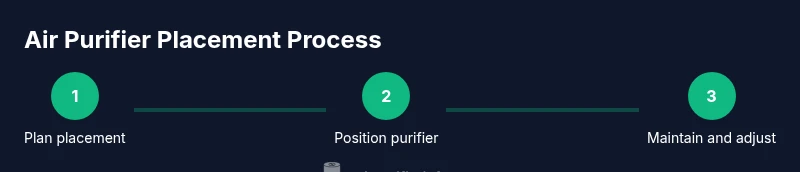
- 1
Plan placement
Survey the room where the litter box resides. Identify a corner that allows free airflow around the purifier and keeps it away from moisture from litter. Consider pets’ paths to minimize interference with daily routines. This plan sets the stage for effective filtration.
Tip: Take a quick room map and mark the litter box and outlet locations before moving furniture. - 2
Choose the right purifier
Select a unit with true HEPA filtration and an activated carbon stage if possible. Check the room-size rating and ensure the unit isn’t overly loud for nighttime operation. Confirm filter availability and replacement costs.
Tip: Prefer models with replaceable carbon filters for odor control in litter areas. - 3
Position the purifier
Place the purifier at least 3 feet (1 meter) from the litter box and away from direct spray zones. Aim for an angle that pulls contaminated air toward the intake while not obstructing the litter area. Elevate the unit if possible for better air circulation.
Tip: Use a measuring tape to confirm the distance and avoid placing it behind furniture. - 4
Power up and configure
Plug in the purifier and set it to auto or a medium speed to start. If available, enable the carbon deodorization mode and dim night lighting to reduce disturbance for pets at night. Ensure the purifier has access to a clean air path and isn’t blocked by items.
Tip: Turn on the purifier during litter changes to maximize air turnover when odors spike. - 5
Monitor air quality
Observe changes in odor levels and pet response over the first week. If odors persist, consider adjusting speed or moving the unit slightly. Note that odor reduction is progressive and depends on litter hygiene and number of pets.
Tip: Keep a simple odor log to gauge improvements over time. - 6
Maintenance schedule
Follow the manufacturer’s replacement intervals for HEPA and carbon filters. Clean the pre-filter as recommended and check for dust buildup around the intake. Replacing filters on time sustains performance and prevents odor rebound.
Tip: Set reminders for filter changes to avoid missing maintenance. - 7
Adapt as your space changes
If you add litter boxes or pets, reassess purifier placement and capacity. A second purifier or a higher-capacity unit may be needed for larger spaces. Regular cleaning of litter boxes supports the purifier’s effectiveness.
Tip: Re-run the placement planning process after any major layout changes.
Questions & Answers
Can placing an air purifier next to a litter box eliminate odors completely?
No single purifier can eliminate odors entirely, but it can significantly reduce odors and dust when paired with regular litter box cleaning and good hygiene. Odor reduction is greatest when filtration meets the room’s needs and maintenance is kept up.
A purifier helps a lot, but complete odor elimination also depends on regular litter box cleaning and using an appropriate filtration setup.
What features should I look for in an air purifier for a litter-box setup?
Look for true HEPA filtration, an activated carbon deodorizer, quiet operation, and a size rating appropriate for the room. Filter accessibility and replacement costs are also important for long-term use.
Choose HEPA plus carbon, quiet mode, and a purifier sized for your room; check filter costs and accessibility.
Is it safe to run an air purifier around cats and kittens?
Yes, in most cases. Ensure the unit is stable, keeps cords out of reach, and does not emit ozone or other gases that could irritate pets.
Yes, generally safe for cats; just ensure stability and avoid ozone-emitting units.
Where should I place the purifier for best results?
Place the purifier at least a few feet from the litter box, facing the area where odors originate, and ensure there’s open space for airflow on all sides.
Place it a few feet from the litter box with clear space around for airflow.
How often should I replace filters?
Follow the manufacturer’s schedule and indicators. In practice, expect to replace HEPA and carbon filters on a cyclical basis, depending on use and pet activity.
Replace filters according to the maker's schedule and indicators.
Can multiple litter boxes require more than one purifier?
Yes. Larger spaces or multiple litter areas often benefit from a second purifier or a higher-capacity model to ensure adequate air changes.
In bigger homes or with multiple boxes, consider a second purifier or higher capacity.
Watch Video
Main Points
- Place purifier to optimize air turnover near the litter box.
- Choose HEPA + carbon filtration for best odor and dust control.
- Maintain a consistent filter schedule and monitor performance.
- Reassess placement with space changes or new pets.