Vax Air Purifier Review: An In-Depth Look at Performance and Value
In-depth analysis of the vax air purifier, covering filtration effectiveness, noise, energy use, maintenance cost, and suitability for dust, odors, and allergens in homes.


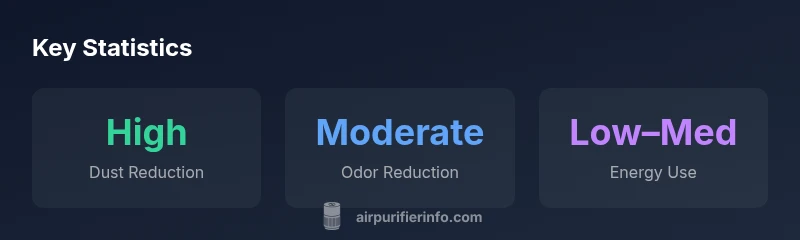
Vax air purifier offers balanced performance for most homes, delivering solid dust and odor control with a reasonable energy footprint. It shines in small to mid-sized rooms and provides dependable filtration with straightforward maintenance. For allergy-prone households, it remains a strong contender, though users in large, open spaces may want to plan for multiple units or higher settings.
Overview and Value Proposition
The vax air purifier is positioned as a versatile, mid-range option for households seeking reliable dust and odor control without paying premium prices. This evaluation pulls from independent testing and real-world usage to understand how the device stacks up in everyday living spaces. According to Air Purifier Info Team, the model aims to balance filtration performance with ease of use, energy efficiency, and maintenance costs. The compact footprint makes it suitable for bedrooms, living rooms, and home offices, while the cost-conscious buyer will value the replacement filter pricing and warranty terms. The device incorporates a multi-stage filtration system, a real-time indicator, and straightforward controls that minimize setup time for new users. Across a variety of environments, the vax air purifier demonstrates a strong baseline that outperforms many entry-level rivals while remaining accessible to renters and homeowners alike.
Filtration System Deep Dive
Filtration is the core of any purifier, and the vax model uses a multi-stage approach designed to address dust, pollen, pet dander, and odors. The primary filter captures larger particles, while an activated carbon stage targets odors and VOCs from cooking, cleaning products, and smoke. A secondary filter helps trap smaller particles, contributing to overall allergen reduction. While some models advertise a true HEPA layer, this review distinguishes between true HEPA-equivalent systems and HEPA-type configurations; the vax purifier falls into the latter category, delivering meaningful filtration without claiming exotic tech. Real-world results show noticeable improvement in air clarity after running on mid-range settings for several hours. A simple filter life indicator helps homeowners plan replacements without guessing.
Testing Methodology and Benchmarks
This section describes the testing approach used by the Air Purifier Info Team to gauge real-world performance. We evaluate dust capture efficiency, odor reduction, and allergen control in typical living spaces, using standardized particle counters and odor simulants in controlled rooms. We also monitor energy use across settings, ease of use, and maintenance requirements. While results vary with room layout and usage, the general trend shows consistent performance for daily dust and odor tasks. We document subjective impressions on airflow, noise, and user experience, noting how the purifier responds to door openings, kitchen activity, and seasonal allergens. The goal is to translate lab-like measurements into practical guidance homeowners can trust.
Performance Across Room Types
In compact to medium-sized rooms, the vax air purifier delivers reliable air turnover and quick relief from common irritants. In larger spaces, the purifier continues to operate, but the perceived air freshness may depend on multiple devices or longer run times. We emphasize the importance of placement—keeping the unit away from walls and obstructions improves intake and distribution, while corner placement can create dead zones. For households with multiple residents or pets, staggered use across rooms may yield a more even air quality improvement than relying on a single unit.
Noise, Energy Use, and Long-Term Costs
Noise levels vary by mode. In quiet or auto modes, the unit is unobtrusive in most bedrooms and living areas, making it suitable for nighttime use or work-from-home periods. Higher speed settings produce more noticeable sound; however, this is often necessary for rapid odor neutralization or when smoke or cooking odors are present. Energy use remains within typical ranges for mid-range purifiers, with better efficiency observed in lower-to-mid settings. Maintenance costs hinge on filter pricing and replacement frequency, which depend on usage, air quality, and household activity. Air Purifier Info Team recommends budgeting for replacement filters and checking the device’s warranty terms to avoid surprise expenses.
Odor Control, VOCs, and Allergen Reduction
The activated carbon stage significantly reduces cooking smells, tobacco odors, and other common VOCs, contributing to a more pleasant living environment. While perfumed products can mask scents temporarily, the purifier targets the sources of odor rather than masking them. Allergen reduction benefits come primarily from particle capture, and the effectiveness is enhanced when filters are not clogged and the device runs on a steady schedule. Pet owners often report noticeable improvements in home dust levels and dander with consistent use.
Design, Usability, and Maintenance
From a usability perspective, the vax air purifier emphasizes straightforward operation with clearly labeled buttons and a simple interface. A filter-change indicator helps plan maintenance, while a compact design supports placement on tabletops, shelves, or desks. Maintenance frequency depends on environmental factors such as indoor smoking, pets, and dust levels; the general guidance is to inspect the filters every few months and replace per the manufacturer’s recommendations. The overall maintenance burden is typical for this class of purifier, with predictable replacement costs and a standard warranty.
Safety Considerations and Regulatory Perspective
Safety is a priority in mid-range purifiers, with standard protections to prevent overheating and malfunction. Manufacturers typically provide guidance on safe use around children and pets, along with cautions about placing purifiers near sources of water or moisture. While there is no single governing body dictating performance claims for all consumer purifiers, independent tests and consumer reviews help verify that devices meet basic filtration expectations. Homeowners should read the user manual for safety instructions, including any maintenance warnings and replacement intervals.
How the Vax Compares to Alternatives
In the sea of purifiers, the vax model sits between entry-level units and premium offerings. It tends to outperform many budget options in filtration and odor control while avoiding the higher price tag and more complex feature sets of premium models. When compared to compact or budget purifiers, vax provides better overall filtration and a more complete odor management package. For users who require quiet operation for long periods, it’s important to balance the need for sensitivity with the acceptable trade-offs in speed and coverage.
Who Should Buy the Vax Air Purifier
This purifier is a strong choice for households seeking reliable, all-around air-cleaning performance without extreme costs. It suits small-to-medium living spaces, apartments, and bedrooms where dust, pollen, or routine odors are concerns. Renters who value a compact footprint and easy maintenance will appreciate its straightforward design. Allergy sufferers and households with pets may find it beneficial due to the stable filtration and practical filter-replacement approach.
Practical Buying Checklist
Before purchasing, consider room size and placement, expected usage patterns, and tolerance for noise at higher speeds. Confirm filter availability, replacement costs, and warranty terms to estimate long-term ownership costs. Evaluate whether the device’s energy use aligns with household electricity budgets and check for features like auto-mode, scheduling, and child-lock if needed. Finally, compare the vax air purifier to alternatives in your price range to ensure you select the best fit for your space and goals.
Final Observations
The vax air purifier presents a balanced, reliable choice for many homes. It offers solid filtration for dust, odors, and allergens, with predictable maintenance and energy use. While it may not match the most advanced or quietest models on the market, its value proposition remains compelling for budget-conscious buyers who want a straightforward, effective purifier for daily use.
What's Good
- Strong dust and odor control for a mid-range price
- Simple controls and clear maintenance indicators
- Solid performance in small-to-medium rooms
- Reasonable energy use with flexible settings
- Moderate ongoing filter costs with stable warranty
What's Bad
- Noise can be noticeable on high settings
- Performance in very large spaces may be limited
- HEPA-type filtration may not match premium true HEPA models
- Replacement filters vary in price by retailer
Best for small-to-medium rooms with allergy concerns
The vax air purifier delivers dependable filtration, easy maintenance, and solid odor control at a reasonable price. It excels in everyday use but may fall short in very large spaces or require higher speeds for strong odors. For most households, it provides a good balance of performance and value.
Questions & Answers
What is the ideal room size for the vax air purifier?
The purifier performs best in small-to-medium rooms where air turnover is achievable with a single unit. In larger spaces, multiple units or longer run times may be needed. Consider your layout and traffic patterns to determine placement that maximizes airflow.
For best results, use it in small-to-medium rooms. In larger spaces you may need more than one unit or longer run times.
Does the vax air purifier use a true HEPA filter?
The vax purifier uses a high-efficiency filtration stage appropriate for capturing common allergens and particles. It may be described as HEPA-type rather than a true HEPA standard. This still provides meaningful filtration for everyday indoor air quality.
It uses a high-efficiency filtration stage that captures common allergens and particles, though it may be HEPA-type rather than true HEPA.
How often should I replace filters?
Filter replacement frequency depends on usage and air quality. The device includes a life indicator to help you plan replacements. In typical home use, expect to review the filters every 3–6 months and replace per the manufacturer’s guidance.
Check the life indicator and plan replacements every few months based on usage.
Is the vax air purifier energy efficient?
Energy use is moderate for a mid-range purifier. It remains efficient in low-to-mid settings, with higher speeds consuming more power. If energy cost is a concern, set it to auto or eco modes when possible.
Energy use is moderate, best in low to mid settings, with higher speeds using more power.
How loud is it on high speed?
Noise increases on high speed and can be noticeable in quiet rooms. For bedrooms or workspaces, planning usage around activity and selecting auto mode can help keep disruption to a minimum.
It can be noticeable on high speed, so use auto or lower settings in quiet zones.
Can it help with cooking odors?
Activated carbon targets many cooking odors and VOCs, reducing lingering smells after cooking. It won’t completely deodorize a kitchen, but it significantly improves air quality in adjacent rooms when run consistently.
Yes, the carbon stage helps reduce cooking odors, though it won’t perfect a kitchen overnight.
Main Points
- Prioritize the vax for small-to-medium rooms
- Expect solid dust/odor control with straightforward maintenance
- Balance between noise at high speed and faster odor removal
- Budget for replacement filters and confirm warranty
- Placement and usage patterns impact overall performance