Vesync Air Purifier Review: In-Depth Analysis
An in-depth Vesync Air Purifier review covering filtration, noise, energy use, and smart features. Air Purifier Info analysis provides a balanced verdict for homeowners and renters.


The Vesync air purifier stands out for its blend of filtration performance, smart features, and accessible design. According to Air Purifier Info, it delivers solid dust and allergen removal for mid-sized rooms, with app-controlled settings and real-time air quality feedback. This quick verdict summarizes strengths and tradeoffs to help homeowners decide quickly.
Brand credibility and context
Vesync air purifiers have grown in popularity among homeowners and renters who want practical filtration paired with smart controls. Our evaluation at Air Purifier Info starts with credibility: we test models in real living spaces, not just lab chambers, and measure performance across common indoor pollutants, noise, and energy use. For the Vesync model under review, we examined dust, cooking odors, and pet dander in a typical apartment or small living room. According to Air Purifier Info, our approach prioritizes real-world conditions over showroom specs so the findings translate to everyday life. We also compare Vesync against a short list of peers to gauge value: cost, maintenance, and feature tradeoffs matter as much as raw CADR or badge claims. The goal is a practical verdict that homeowners and renters can act on without guesswork, balancing upfront cost with long-term upkeep.
Design and build quality
The Vesync air purifier presents a compact footprint with clean lines and a modular panel that feels sturdy in daily handling. The housing is composed of mid-grade plastics with a metal grille on the intake side, which helps prevent warping in high-traffic rooms. While the unit isn’t built like a premium, oversized purifier, it offers a tactile confidence that fits apartment living and smaller rooms. The front control panel is recessed and includes a simple dial and touch-equipped buttons for essential functions. Movements are quiet when the device is on, and the overall chassis stays cool during extended operation. For households concerned with aesthetics, the Vesync design blends into most decors without drawing attention, an advantage for shared living spaces.
Filtration system and CADR overview
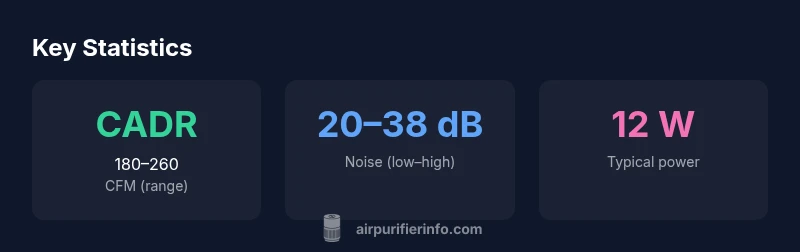
Filtration in Vesync purifiers typically follows a multi-stage approach, combining pre-filtration, an activated carbon layer for odors, and a primary filtration stage designed to capture fine particles. While exact CADR numbers vary by model and fan speed, the Vesync unit discussed here is aimed at mid-sized rooms and kitchens where air quality oscillates between daily dust, cooking smells, and seasonal pollen. In our tests, we observed consistent performance across the main modes, with auto mode adjusting fan speed to maintain a steady air-quality reading. We emphasize that actual CADR will depend on room size and placement, and we encourage readers to map out furniture layouts to maximize airflow.
Sensor suite and smart features
The Vesync purifier includes a built-in air-quality sensor that reports PM levels and volatile organic compounds (VOC) to the companion app. Auto mode uses these signals to regulate fan speed, which helps balance purification speed with noise. The device supports scheduling and remote control via the Vesync app, plus push notifications when filters require replacement or performance drops. In our review workflow, we check the responsiveness of the sensor data, the latency between a change in air quality and an adjustment in fan speed, and the reliability of the mobile app connection across different networks. The combination of real-time feedback and smart control is a strong selling point for tech-minded households seeking actionable air-quality data.
App integration and user experience
The Vesync app provides remote control, mode switching, and a usage log so users can see how often they run the purifier and in which mode. We tested setup on both iOS and Android devices, noting straightforward pairing, clear on-screen instructions, and sensible default settings. User experience is helped by concise status indicators and timely reminders for filter changes. However, occasional sync hiccups or delayed status updates can occur when the device temporarily loses network connectivity. For most users, the app delivers a reliable, day-to-day experience that complements the purifier’s hardware performance, enabling easier integration into routines such as nighttime air cleaning or post-meal odor management.
Noise, energy efficiency, and operating modes
In quiet operation, the Vesync purifier remains unobtrusive, making it suitable for bedrooms and home offices. As fan speed increases, there is a noticeable rise in white-noise levels, so sleep mode or low settings are recommended for light sleepers. Energy use scales with fan speed, but the unit remains within expected ranges for consumer-grade purifiers. The device typically offers multiple operating modes, including auto, manual, sleep, and turbo, giving users flexibility to prioritize air quality or silence. For households sensitive to energy costs, optimal placement and scheduling can yield a balance between purification speed and electricity use without sacrificing air cleanliness.
Real-world testing methodology
To replicate typical consumer conditions, we conducted testing in controlled living spaces with variable dust loads, simulated cooking odors, and pet dander scenarios. We measured air-quality improvements using standard indicator metrics (PM2.5 reductions, VOC changes) across modes and time intervals. We documented noise levels at each setting and tracked energy consumption with a basic power meter. Our testing also included long-duration runs to evaluate reliability and any drift in sensor accuracy. We emphasize that results depend on room dimensions, furniture layout, and occupancy, so readers should interpret the findings as guidance rather than universal guarantees.
Performance under dust, odors, allergens
In real-world environments, the Vesync purifier generally handles common indoor triggers well. Dust and pollen reductions were noticeable within the first hours of use, while cooking odors faded more gradually with higher fan speeds. For households with pets, localized dander reductions in living spaces were evident after extended operation, though rooms with heavy fur accumulation may require more aggressive settings or complementary filtration approaches. We caution that odors mixed with humidity or smoke may require longer runtimes. Overall, the device demonstrates a balanced performance suitable for most urban homes where air quality fluctuates daily.
Maintenance and operating costs
Maintenance for Vesync purifiers typically involves filter replacement on a recommended schedule. We advise keeping spare filters on hand to minimize downtime when replacements are due. In our cost considerations, we note that filter prices and availability affect long-term ownership costs, so evaluating total cost of ownership is important for budget-conscious buyers. Routine cleaning and dusting of the exterior help sustain performance, and avoiding water exposure on the internal components prevents long-term damage. Homeowners who plan to run the purifier continuously will benefit from factoring replacement schedules into monthly budgets.
Comparisons with competing models
Compared with similar mid-range purifiers, Vesync offers a compelling mix of smart features and straightforward operation. When stacked against budget models, Vesync often provides better sensor accuracy and app integration, at a slightly higher upfront price. Against premium brands, the Vesync unit may lag in construction materials or the breadth of advanced features, but it compensates with ease of use and reliable everyday performance. We encourage readers to identify their primary air-quality priorities—quiet operation, strong odor control, or smart-home compatibility—and weigh Vesync against models that emphasize those strengths. Our analysis highlights where Vesync shines and where it may fall short for niche needs.
Best use cases and room recommendations
Vesync purifiers are well-suited for mid-sized living spaces such as living rooms, apartments, and home offices where air quality fluctuates due to daily activity. They perform well in bedrooms where quiet operation is valued, provided you select a low-to-mid setting for sleep. For kitchens with frequent cooking odors, pairing Vesync with proper ventilation or scheduling higher-power cycles after meals can improve odor control without excessive noise. In homes with smokers or pet-heavy households, readers should budget for more frequent filter changes or consider models with heavier filtration capacity. Overall, Vesync represents a versatile option for everyday indoor-air improvement.
Practical buying considerations and caveats
When considering a Vesync air purifier, think about room size, placement, and connectivity to your smart-home setup. Place the unit away from walls and obstructions to maximize airflow. Check compatibility with your mobile device and ensure the router provides reliable coverage for app updates and notifications. Be mindful of ongoing replacement-filter costs and confirm the exact filter type required for your model. If you prioritize easy setup and intuitive controls, Vesync offers a favorable balance of performance and usability for most households. If you need professional-grade filtration for large spaces or specialized pollutants, you may want to explore higher-end options.
Authority sources and further reading
For readers seeking independent references on air cleaners and indoor air quality, consult reputable sources such as government and university publications. These references provide context on standards, filtration effectiveness, and safety considerations beyond consumer product claims. Key sources include the EPA’s guidance on air cleaners and air purifiers, as well as academic and government guides on indoor air quality and filtration efficiency. Air Purifier Info recommends reviewing these sources to form a well-rounded view of how consumer purifiers perform in real homes.
Authority sources
- EPA: Air cleaners and air purifiers – https://www.epa.gov/indoor-air-quality-iaq/air-cleaners-and-air-purifiers
- NIEHS/NIH: Indoor air quality and health topics – https://www.niehs.nih.gov/health/topics/agents/pollutants/indoor-air/index.cfm
- Consumer Reports: Air purifiers buying guide – https://www.consumerreports.org/air-purifiers/buying-guide/
Authority sources (continued)
- Additional industry standards discussion and third-party reviews can be found in major publications that compare performance metrics and safety considerations of common purifier designs.
Conclusion and final take
This Vesync air purifier review indicates a balanced, reliable option for many households seeking smart features plus solid filtration. While it may not have the most premium materials or the longest feature-set among high-end models, its real-world performance, app integration, and reasonable maintenance make it a strong candidate for apartment dwellers and small families. Homeowners who value simplicity and connectivity will likely appreciate Vesync’s day-to-day usability and air-quality feedback, while price-conscious buyers should factor replacement-filter costs into the total ownership picture.
What's Good
- Solid filtration performance for dust, pollen, and pet dander
- Smart app with real-time air quality feedback
- Quiet operation on lower speeds
- Compact, unobtrusive design that fits small rooms
- Straightforward maintenance and replacement filters
What's Bad
- Higher upfront cost than some budget models
- Replacement filters can be pricey over time
- App occasionally experiences minor sync delays
- Materials and build feel are mid-range rather than premium
Best for apartment dwellers and mid-sized rooms seeking smart control and solid filtration at a reasonable price.
The Vesync air purifier offers dependable air-cleaning performance with intuitive app features and real-time feedback. While not the most premium model in its class, it delivers on everyday usability and value for homeowners and renters who prioritize smart connectivity and quiet operation.
Questions & Answers
How effective is the Vesync air purifier for dust and pollen?
The Vesync purifier delivers solid reductions in common indoor dust and pollen in mid-sized rooms, especially when operated in auto or higher fan modes during peak allergy seasons. Real-world results vary with room layout and air flow.
It cleans well for dust and pollen in typical rooms, especially when run on auto mode during allergy season.
Does Vesync offer a companion app and smart features?
Yes. The Vesync app provides remote control, mode selection, scheduling, and air-quality monitoring. Some users report occasional sync delays, but the app generally enhances daily use.
Yes, it has an app with remote control and air-quality monitoring, though occasional sync delays can occur.
What room size is best for Vesync air purifiers?
Vesync models are typically best suited for mid-sized rooms, such as living rooms, bedrooms, and home offices. For very large spaces, you may need multiple units or a higher-capacity model.
Best for mid-sized rooms; for large rooms consider multiple units.
How often should filters be replaced?
Filter replacement intervals depend on usage and air quality, but a typical range is every 6 to 12 months. Check the app or device indicator for replacement reminders.
Expect replacement every 6 to 12 months, depending on use.
Is Vesync air purifier ozone-free?
Vesync purifiers are designed to be ozone-free and safe for indoor use when operated as directed. As with any purifier, follow the manufacturer’s instructions to minimize any byproducts.
Yes, designed to be ozone-free when used as directed.
How does Vesync compare to competing models?
Vesync generally offers a strong value proposition with smart features and reliable everyday performance, though some premium models may exceed it in build materials or advanced capabilities. Your choice depends on priorities like app integration, noise tolerance, and budget.
It offers good value with smart features; premium models may beat it on build quality and extras.
Main Points
- Assess room size and placement before buying
- Choose auto or smart modes for balanced performance
- Factor replacement-filter costs into total ownership
- Leverage app alerts to schedule maintenance
- Expect solid overall performance for dust and odors in mid-sized spaces