Where Does Air Filter Go: A Practical Guide
Learn where the air filter goes in common purifiers, how to replace it correctly, and maintenance tips to ensure optimal indoor air quality for homes and rentals.


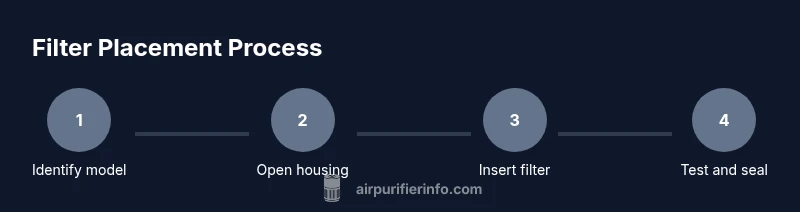
Where does air filter go? In most residential purifiers, the filter sits behind the front grille or inside the housing on the intake side. The exact location affects whether the unit pulls air through the filter before or after other components, which changes how well dust, odors, and pet dander are captured. Knowing the right spot helps you replace the filter correctly on the first try and avoids unnecessary gaps that let pollutants slip through. Before you touch anything, unplug the purifier and place it on a stable surface with good lighting. Use a flashlight to inspect the interior and look for a labeled panel, a gasket, or a frame that signals the filter position. If your unit uses a security door with screws, have a small screwdriver handy. Once you identify the correct slot, align the arrows on the filter with the housing’s airflow direction, slide it in fully, and reseal. Then power the purifier and listen for steady airflow.
Why the correct air filter location matters
Understanding where the air filter goes is essential for filtration effectiveness, airflow, and energy efficiency. In most residential purifiers, the filter sits behind the front grille or inside the housing on the intake side. The exact location affects whether the unit pulls air through the filter before or after other components, which changes how well dust, odors, and pet dander are captured. Knowing the right spot helps you replace the filter correctly on the first try and avoids unnecessary gaps that let pollutants slip through. Before you touch anything, unplug the purifier and place it on a stable surface with good lighting. Use a flashlight to inspect the interior and look for a labeled panel, a gasket, or a frame that signals the filter position. If your unit uses a security door with screws, have a small screwdriver handy. Once you identify the correct slot, align the arrows on the filter with the housing’s airflow direction, slide it in fully, and reseal. Then power the purifier and listen for steady airflow.
According to Air Purifier Info, correct placement is critical for achieving the purifier’s rated air-cleaning performance, especially in rooms with high dust or odor levels. Misplacing a filter can create bypass paths that let pollutants escape, reduce filtration efficiency, and shorten the device’s lifespan.
Tip: If your purifier sits in a busy family room, consider checking the filter location monthly when you vacuum or dust to catch any buildup that might affect seating and seals.
How to identify your purifier's filter type
Filters come in several flavors—disposable pleated panels, true HEPA cartridges, and activated carbon or specialty media for odors. The quickest way to identify yours is to inspect the label on the unit or the current filter itself. Look for terms like HEPA, H13/H14, or carbon media, and note dimensions printed on a sticker or in the manual. If you’re unsure, remove the current filter and check its frame for orientation marks or size codes. Air Purifier Info analysis shows that matching the exact filter type and size is the most reliable way to preserve airflow and filtration efficiency. Some models use a single panel, while others rely on a nested or modular filter assembly. The key takeaway is to replace with the exact style your purifier was designed for to prevent bypass leaks and ensure consistent performance.
Knowing your filter type helps you buy confidently and avoid compatibility issues that lead to reduced air quality.
Accessing the filter compartment safely
Safety first: always unplug the device before opening any panel. Move the purifier to a clean, dry workspace and have a tray ready for screws or small parts. Remove the front grille or service panel using the tool recommended by the manufacturer. Gently tilt or slide the cover to reveal the filter housing. Inspect interior surfaces for dust buildup and wipe with a microfiber cloth if needed. If you detect a strong odor or visible mold, do not reuse the interior; clean thoroughly and discard contaminated parts. After opening, ensure the power switch remains off and you won’t accidentally turn the unit on while you work. A careful inspection now reduces rework later.
Tip: Keep a small magnet or labeled tray to avoid losing tiny screws in cushions or carpets.
Removing the old filter without damage
Grasp the filter by its edges and pull straight out to avoid bending the frame or tearing seals. If the filter is stubborn, rock it gently from side to side rather than pulling at an angle. Contain dust by holding the unit over a plastic bag or wipeable tray. Inspect the filter for saturation or tears and discard if compromised. If the housing includes a gasket, wipe it clean to ensure a proper seal with the new filter. Do not reuse old filters, even if they look fine, as embedded dust and oils reduce airflow and filtration efficiency. When the old filter is out, place it on a protective surface to prevent contamination of other areas.
Tip: If you wear gloves, you’ll minimize skin oils on the new filter during installation.
Installing the new filter correctly
Unpack the replacement filter and verify it matches the model’s dimensions and media type. Some filters have an orientation arrow or a label indicating airflow direction; align this with the housing’s markings. Insert the filter straight into the cavity, ensuring it sits flat and fully seated in the frame. If the filter feels loose, press along the edges until it is snug. Avoid touching the filtration media surface; oils from skin can affect performance. Replace any seals or gaskets as needed. Once seated, reattach the grille or panel and confirm the unit fits snugly against the cabinet.
Tip: Do a quick breath test after insertion—feel the airflow at the outlet to confirm it’s clear and consistent.
Sealing the housing and reassembling
Reinstall the housing cover, grille, or screws exactly as they were removed, ensuring there are no gaps around the edges. Tighten screws firmly but avoid over-tightening that could crack the housing. Wipe away fingerprints and dust from the exterior to keep the unit looking clean and to aid future inspections. If your purifier has a filter-life indicator, reset it according to the manual so you know when the next change is due. A proper seal minimizes bypass leaks and prevents extra resistance that would stress the fan.
Tip: Double-check that the front panel sits flush against the body before powering on.
Testing airflow after replacement
Plug the purifier back in and turn it on to verify operation. You should feel a steady or slightly stronger airflow from the outlet and, in models with an intake, a noticeable draw at the inlet. Listen for unusual whines or whistling sounds, which can indicate a misalignment or a poor seal. If the device offers a flow sensor or indicator lights, confirm they show normal status after replacement. If you don’t notice air movement or hear odd sounds, shut down the unit and recheck the filter seating and orientation. A quick test confirms proper installation and performance.
Tip: Run the purifier on a higher setting for 5-10 minutes after replacement to clear any residual dust from the system.
Common mistakes to avoid
- Installing the filter backward or off-center, which blocks airflow.
- Using the wrong filter type, size, or media, leading to bypass leaks.
- Leaving the housing loose, creating a draft that reduces efficiency.
- Not unplugging the device before service, risking shock or accidental startup.
- Skipping a housing clean before inserting the new filter, allowing dust to contaminate the seal.
- Forgetting to reset the filter-life indicator after replacement. Each mistake can compromise air quality and shorten the purifier’s life.
Maintenance scheduling and replacement intervals
Most purifiers specify replacement intervals tied to usage, environment, and media type. Check the manual for model-specific guidance, but in general, high-traffic rooms with pets or smoke may require more frequent changes. Air Purifier Info analysis shows that monitoring performance and odor control provides the most reliable signal for replacement rather than relying solely on a calendar. Keep spare filters on hand to avoid downtime. Regular exterior cleaning and seal inspection also maintain consistent performance over time.
Tip: Create a simple maintenance reminder in your phone or calendar to ensure timely replacements and continued air quality.
When models differ: checking manuals and model-specific guides
If your model seems resistant to standard steps, consult the official manual or manufacturer’s website for model-specific instructions. Some purifiers place the filter in the back, bottom, or inside a sealed cartridge that requires a different removal method. Search by model number or access reputable guides from consumer safety sites or university extensions. If you’re unsure, contact customer support rather than forcing components. Following model-specific guidance protects efficiency, energy use, and warranty coverage.
Tools & Materials
- Replacement air filter (correct model)(Choose the exact size/compatibility with your purifier model.)
- Microfiber cloth(Used to wipe the housing and edge seals.)
- Flashlight(Helpful for inspecting interior cavities.)
- Flat-head screwdriver(Only if your model uses screws to secure the housing.)
Steps
Estimated time: 15-25 minutes
- 1
Identify the correct filter model
Verify the exact filter model and media type before purchasing or replacing. Check the model number on the device label and compare it to the filter packaging or manual to confirm compatibility. If you’re unsure, consult the manufacturer’s site or customer support before proceeding.
Tip: Always confirm model compatibility to prevent wasting a replacement or compromising performance. - 2
Unplug and prepare workspace
Power off the purifier and unplug the cord. Move the unit to a clean, dry workspace with good lighting and a tray for screws. This minimizes the risk of shock and prevents lost parts during the replacement.
Tip: Having a dedicated tray helps prevent small screws from rolling away. - 3
Access the filter compartment
Remove the front grille or service panel following the manufacturer’s instructions. If screws secure the cover, use the recommended tool. Gently expose the filter housing and inspect for dust buildup and obstructions.
Tip: A quick wipe around the opening before removing the filter improves seal quality. - 4
Remove the old filter
Grasp the filter by its edges and pull straight out to avoid bending the frame or damaging seals. If it’s tight, wiggle gently from multiple sides rather than forcing it. Place the old filter in a bag to contain dust.
Tip: Do not bend or crush the filter—maintain its shape for the new insert. - 5
Prepare the new filter
Unpack the replacement filter and confirm it matches the purifier’s dimensions and media type. Check for orientation marks or arrows indicating airflow direction.
Tip: Handle the new filter by the edges to avoid fingerprints on the filtration media. - 6
Install the new filter
Insert the filter straight into the cavity, aligning any arrows or markings with the housing. Ensure it sits flat and fully seated in the frame; do not leave gaps.
Tip: If the filter feels loose, reseat it and press along the edges until snug. - 7
Reassemble the housing
Reattach the grille or panel and secure screws as originally placed. Confirm there are no gaps around the edges and that the cover sits flush against the unit.
Tip: Wipe away fingerprints for a quick visual inspection later. - 8
Reset indicators and test
If your purifier has a filter-life indicator, reset it per the manual. Plug the unit back in, power on, and test airflow to ensure proper function.
Tip: A quick airflow check helps confirm correct seating and orientation. - 9
Document and monitor performance
Note the replacement date and observe filtration efficacy over the next several days. If you notice reduced airflow or lingering odors, inspect the seal and seating again.
Tip: Maintain a simple log to track when to replace next.
Questions & Answers
Do I need to unplug the purifier before replacing the filter?
Yes. Unplugging prevents shock and accidental startup while you replace the filter. It also protects sensitive electronics.
Yes—unplug the purifier before starting the replacement.
What happens if I install the filter backward?
Installing backward reduces airflow, can cause higher fan load, and lowers filtration efficiency. Always align orientation marks.
If you install it backward, airflow drops and you risk reduced filtration.
How often should I replace air purifier filters?
Replacement intervals vary by model and usage. Check the manual and monitor performance; replace when airflow or odor control declines.
It depends on usage and model—check the manual and monitor performance.
Can I clean non-washable filters?
Most disposable filters should not be washed. Cleaning can damage the media and reduce filtration efficiency; replace instead.
Most filters aren’t washable—replace them for best results.
Is there a simple test to confirm correct installation?
Turn the purifier on and check for steady airflow from the outlet. Indicator lights can confirm proper operation.
Turn it on and ensure air is flowing smoothly.
What if my model doesn’t have an obvious filter location?
Consult the user manual or manufacturer’s site for model-specific instructions. Some units house filters in concealed cartridges.
Check the manual or model site for exact steps.
Watch Video
Main Points
- Identify the correct model before replacement
- Unplug and safely access the filter housing
- Install with correct orientation and a secure seal
- Test airflow and reset indicators after replacement
- Follow model-specific guidance for best results