When to Use an Air Purifier: A Practical Guide
Discover when an air purifier helps, how to size and place one, and practical steps to improve indoor air quality for homes and apartments. Learn scenarios, maintenance tips, and best practices for homeowners and renters.


Definition: Use an air purifier when indoor air quality is affected by dust, pollen, pet dander, smoke, odors, or chemical pollutants. For best results, choose a purifier sized for the room, run it continuously in high-traffic areas, and replace filters as recommended. This guide helps homeowners and renters decide when and where to use one.
Why use an air purifier for better indoor air quality
According to Air Purifier Info, many homeowners underestimate how everyday activities contribute to indoor air pollution. A well-chosen air purifier can reduce particulate matter (like dust and pollen) and, with the right carbon or activated charcoal filter, tackle odors and some volatile organic compounds (VOCs). While purifiers are not a magic fix for every IAQ issue, they offer a practical, evidence-based way to improve comfort in spaces where people spend most of their time. Those results hinge on pairing a properly sized unit with correctly maintained filters and sensible room placement. In real homes, occupants often notice quicker relief from itchy eyes, sneezing, and throat irritation when the purifier runs in bedrooms and living areas during peak allergen seasons or after cooking.
Example IAQ signals that a purifier helps
- Persistent dust on surfaces despite regular cleaning
- Frequent allergy or asthma symptoms when family members are indoors
- Smells from cooking, smoke, or pets that linger after cooking or cleaning
- Visible haze on windows or air near vents after cooking or cleaning
In each case, a purifier set up in the room where people congregate can help reduce irritants and create a more comfortable environment. Air Purifier Info’s analysis emphasizes that a purifier’s effectiveness scales with room size, filter quality, and consistent use. For best results, run the unit continuously in occupied spaces and replace or clean filters as recommended by the manufacturer.
How purifiers work: particles, gases, and filters
Most true HEPA purifiers capture at least 99.97% of particles as small as 0.3 microns, including dust, pollen, and pet dander. If odors or VOCs are a concern, look for units with activated carbon or specialty filters designed for gas phase contaminants. Some purifiers also include pre-filters to trap large particles and extend the life of the main filter. Understanding these basics helps you align expectations with what the purifier can accomplish in everyday living spaces.
Common misconceptions and realistic expectations
Many people expect an air purifier to instantly remove all odors or completely eliminate allergy symptoms. In reality, improvements are gradual and depend on ongoing use, proper placement, and complementary IAQ practices such as ventilation when feasible and regular cleaning. For pet owners or households with smokers, multiple units or a larger unit for the main living areas may be warranted. The goal is meaningful reductions in irritants, not perfection. By combining a suitable purifier with routine maintenance, you can create a healthier baseline over time.
Sizing and room coverage: practical rules of thumb
Choose a purifier that is rated for the size of the room where it will be used, and consider models that can handle shared living spaces. If you have a large living room or an open-plan area, you may benefit from distributing one purifier per major zone or selecting a unit with higher clean air delivery rate (CADR) and adequate air changes per hour. While numbers vary by model, the principle remains: better fit, better results, with consistent operation.
How to interpret purifier specs in practical terms
Look for true HEPA filtration (not just HEPA-type), a carbon filter for odors, and certifications like Energy Star for efficiency. Check CADR values for smoke, dust, and pollen, but compare those figures against your room size. A purifier’s real-world performance also depends on where the unit sits in the room and whether doors are open or closed. This is why a practical test in your home, rather than marketing promises, is the best guide to choosing the right unit.
A practical decision framework for homeowners and renters
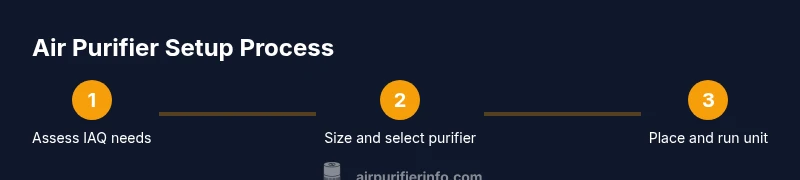
- Identify the main IAQ issue (dust, pollen, odors, smoke, VOCs). 2) Measure or estimate room size and select a purifier rated for that space. 3) Prioritize units with true HEPA and carbon filtration for multi-faceted pollutants. 4) Place the purifier in a central location away from walls and furniture to optimize airflow. 5) Run the purifier when the space is occupied and maintain filters on schedule. Following this framework helps ensure your investment translates into real improvements.
Real-world usage scenarios and tips
- In bedrooms: run the purifier through the night if you are sensitive to allergens or have pets. - In living rooms: place near seating areas to maximize air exposure during the day. - In kitchens: consider a purifier with a strong carbon filter to address cooking odors, then pair it with good ventilation when possible. The key is consistency and mindful placement to maximize air turnover in the spaces where you spend the most time.
Authoritative sources and context for further reading
For readers who want deeper guidance, consult reputable sources on indoor air quality. The EPA offers consumer-focused information about air cleaners and IAQ. The WHO and NIH-related materials provide context on how pollutants affect health and how home environments can be managed to reduce risk. Use these sources to inform your purifier selection and IAQ strategy.
Practical next steps for action
- Inventory your rooms and list IAQ priorities (dust, odors, allergies, smoke). - Pick one purifier per major living area and schedule filter changes. - Track changes by noting symptom improvements or changes in air quality observations over a few weeks. - Combine purification with cleaning, ventilation, and smoke-free policies to sustain benefits long-term.
Tools & Materials
- Air purifier with true HEPA and carbon filtration(Choose a model sized for the room where it will operate; verify CADR and ACH guidance from the manufacturer.)
- Measuring tape or laser measure(Used to determine room dimensions and estimate square footage for sizing.)
- Replacement filters(Keep at least one spare filter on hand and note the replacement schedule.)
- Optional air quality monitor(Helps track baseline and post-purification improvements in real time.)
- Screwdriver or tool for access(Some units require tools to swap filters.)
Steps
Estimated time: Estimated total time: 60-120 minutes
- 1
Identify the IAQ priority
Assess which pollutants affect you most (dust, pollen, smoke, odors, VOCs). This informs which features matter most (HEPA, carbon, pre-filter).
Tip: Clarify the main issue before shopping to avoid overpaying for features you won’t use. - 2
Measure room size and understand space
Measure length and width, multiply to obtain square footage, and note ceiling height. This helps determine needed purifier capacity and placement.
Tip: Aim for a unit that covers the room with room to spare; avoid under-sizing for open-plan spaces. - 3
Check purifier specs and compatibility
Look for true HEPA filtration, carbon or multi-filter stages for gases, and a safe ozone-free rating. Compare CADR across pollutants to match your room.
Tip: Ignore marketing buzz—verify real-world performance claims and certifications. - 4
Plan placement for best airflow
Place the unit where airflow isn’t blocked by walls or furniture. Height and proximity to breath zones affect performance, especially in bedrooms.
Tip: Avoid corners or behind doors; aim for central, unobstructed placement. - 5
Install and run a baseline
Set up the purifier, run it in continuous mode for a baseline period (e.g., 24 hours) to assess initial impact.
Tip: Record symptoms or odors to compare against after a few days of use. - 6
Monitor, maintain, and adjust
Check and replace filters on schedule; re-evaluate room usage, and adjust placement if air quality remains suboptimal.
Tip: If odors persist, consider adding another purifier or increasing ventilation when feasible.
Questions & Answers
What is CADR and why does it matter?
CADR stands for Clean Air Delivery Rate. It indicates how quickly a purifier can remove specific pollutants from a room. Higher CADR values generally mean faster purification, but you should match CADR to your room size and pollutant priorities.
CADR tells you how fast a purifier cleans air for different pollutants. Choose a unit with a CADR appropriate to your room size and main pollutants.
How long should I run an air purifier each day?
Run the purifier for most of the time you occupy the space, especially in high-traffic or pollutant-prone areas like kitchens and living rooms. If conditions change (like wildfire season), increase usage accordingly.
Keep it running most of the time in rooms you use, especially during high pollution periods.
Can air purifiers remove cooking odors?
Yes, especially units with a carbon filter designed to adsorb gases. Regular filter maintenance helps odors improve over time.
They help with cooking smells, especially if you have a carbon filter and you run it consistently.
Is ozone-free important when choosing a purifier?
Yes. Avoid purifiers that emit ozone as a byproduct. Look for models labeled ozone-free and certified by reputable programs.
Yes—go for ozone-free models to protect indoor air quality safely.
Where should I place an air purifier for best results?
Place in areas where people spend time and where air can circulate freely—avoid corners and behind furniture. Keep at least a few inches from walls.
Put it in the main living area or bedroom where people sit, with space around it for air to move.
Can purifiers be used with pets or in multi-room homes?
Yes, but you may need one or more units or a larger unit in open-plan spaces. Regularly clean and replace filters to handle pet dander and odors.
They work with pets, but you might need more than one unit for bigger or open spaces.
Do air purifiers replace ventilation?
No. Purifiers reduce pollutants present in the air, but ventilation—air exchange with the outdoors—remains important for overall IAQ. Use purifiers as a supplement, not a substitute.
They help, but they don’t replace good ventilation entirely.
What maintenance schedule should I follow?
Follow the manufacturer’s filter replacement recommendations and inspect filters monthly in high-use spaces. Replace carbon filters sooner if you notice persistent odors.
Check filters regularly and replace as recommended to keep performance steady.
Watch Video
Main Points
- Identify your IAQ priorities before buying.
- Size the purifier to the room and prioritize true HEPA + carbon filters.
- Place units for optimal airflow and maintain filters regularly.
- Combine purification with ventilation and cleaning for best results.