Do You Need an Air Purifier? A Practical Guide for Home
Discover how to know if you need an air purifier and how to choose one. This homeowner-focused guide covers symptoms, space planning, filtration options, and maintenance tips to improve indoor air quality.


An air purifier is worth considering when you or others in your home experience allergy symptoms, asthma flare-ups, persistent odors, or unusually dusty air. If rooms feel stuffy after cleaning, or you notice lingering odors from cooking or pet smells, a purifier can help. Use this guide to assess need, choose the right model, and implement a practical setup.
How to tell if you need an air purifier
Understanding whether you need an air purifier starts with a clear look at your day-to-day living conditions. If you’re asking how to know if you need an air purifier, start by observing recurring symptoms, persistent odors, and obvious dust signs. Note how air quality changes with activities like cooking, cleaning, or pet care. This practical framework helps homeowners and renters decide whether purification will meaningfully improve comfort and health.
Begin with a simple self-assessment: track symptoms such as frequent sneezing, itchy eyes, nasal congestion, or asthma flare-ups, especially in the rooms you use the most. Then observe odor patterns: do cooking, smoke, or pet smells linger even after cleaning and opening windows? Finally, look for visible dust and air clumps on surfaces after you dust or vacuum. If these indicators appear regularly, you’re likely in a better position to benefit from a purifier.
Common triggers and signals
- Allergy symptoms: itchy eyes, sneezing, nasal congestion that persist in the home.
- Asthma cues: coughing, wheeze, chest tightness that worsen in certain rooms.
- Odors and VOCs: cooking smells, smoke, pet odors that linger beyond normal ventilation.
- Dust visibility: frequent dust on surfaces or a need to dust multiple times per week.
- Perceived stuffiness: stale or heavy air that doesn't feel fresh after opening windows.
These signals aren’t guarantees, but they help you decide whether to test a purifier in key rooms such as the bedroom, living room, and kitchen.
How to interpret odors, dust, and humidity
Odors from cooking, pets, or cleaning products reveal that scents travel and may linger; a purifier with carbon filtration can reduce some odors, but air changes and ventilation matter as well. Dust-trapping adsorption helps, but you’ll want a model rated for the room size and noise preference. Humidity levels affect how air feels and how contaminants move; in overly dry or humid spaces, consider controlling moisture with appropriate devices in addition to filtration. The goal is to create a balance where air feels clean without making the room stuffy or drafty.
If you notice that odors disappear only when the purifier runs at high speeds, you’re likely dealing with a combination of sources and insufficient air turnover. In such cases, prioritize source control (venting, cleaning) alongside a purifier to optimize results.
Choosing the right purifier for your space
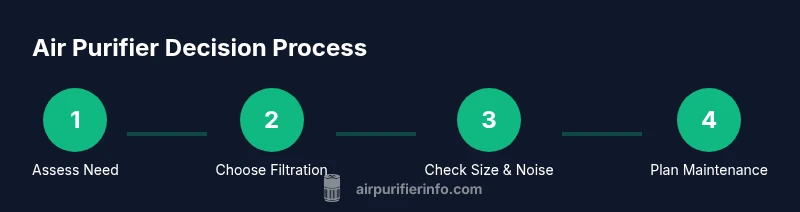
Start by measuring your room size and compare it to the purifier’s coverage rating. Look for HEPA filtration, which captures most particles, and activated carbon for odors and VOCs. Avoid models with ozone-generating features and prefer units that specify CADR (clean air delivery rate) aligned to your room. Check noise levels in realistic use scenarios and ensure there’s adequate clearance around the unit for optimal airflow. Finally, consider energy use and maintenance requirements, since filters need periodic replacement and some models run continuously.
Renters vs homeowners: practical considerations
Renters typically benefit from portable, easily removable purifiers and models with simple filter access. Seek devices that don’t require permanent installation or modifications to walls or windows. Homeowners may opt for larger units for living areas or multi-room setups and should plan for longer filter life or higher CADR values if the space is open-plan. In both cases, place units away from direct drafts, ensure stable placement on a flat surface, and maintain a routine cleaning schedule to minimize dust sources.
Quick tests you can perform before buying
- Do a simple room-size check by measuring length x width x height to estimate cubic footage; this helps determine if a purifier’s coverage matches your space.
- Run your kitchen or pet-areas for a day and observe how odors decline with use of fans or venting; this informs your expectations for odor removal.
- Bring a notebook to log how many surfaces accumulate dust in a week; compared to a control room, this reveals where purification will have the most impact.
- If available, borrow or rent a tester to compare air before and after switching on a purifier.
Maintenance basics you should plan for
Regular filter changes extend purifier life and keep performance high. Always follow the manufacturer’s guidelines for replacement intervals and compatible filter types. Clean the exterior surfaces periodically to avoid dust buildup, and check that the intake and output grills remain clear. Position purifiers to avoid enclosing them in tight corners or behind furniture, which can impair airflow and reduce effectiveness. Finally, monitor for unusual noise or reduced airflow and service promptly if needed.
The cost picture and realistic expectations
Purifiers are an ongoing investment in comfort and health, but costs vary with features, room size, and maintenance. Budget for a reliable unit that fits your space, an appropriate carbon filter, and periodic filter replacements. Expect energy use to be modest, especially for models with energy-saving modes and good filtration. Remember that a purifier complements good ventilation, source control, and cleaning, not a cure-all for every pollutant. With thoughtful use, it supports a quieter, more comfortable home environment.
Quick decision framework: a simple checklist
- Does your space have recurring allergy symptoms, odors, or visible dust?
- Is the room's air quality noticeably better when you ventilate or run a purifier?
- Is the purifier’s size matched to the room’s square footage?
- Are you prepared for routine maintenance and filter costs?
- Are you choosing a model that is ozone-free and energy-efficient?
If you answer yes to several items, you likely have a solid rationale to move from consideration to purchase and deployment.
Tools & Materials
- Notebook and pen(Record symptoms, odors, and observations during tests)
- Tape measure(Estimate room dimensions for purifier sizing)
- Air quality meter (optional)(Baseline readings help compare pre/post-purifier performance)
- Cleaning supplies(Reduce sources of dust and odors before testing purifiers)
- Manufacturer manuals or product sheets(Check CADR, room size recommendations, and filter replacement guidance)
Steps
Estimated time: 60-90 minutes
- 1
Define your goal and constraints
State what you want to achieve (e.g., fewer allergy symptoms, reduced cooking odors) and note any space or budget constraints. Clear goals prevent overbuying and guide choosing the right features.
Tip: Be specific about which room(s) to prioritize first. - 2
Measure the space you’ll purify
Measure length, width, and height to calculate cubic footage. This helps you choose a purifier rated for your room size and avoid under- or over-purification.
Tip: Document measurements in a notes app for quick reference. - 3
Assess your current air signals
Note persistent symptoms, odors, and visible dust in rooms you frequent. These signals point to the potential value of filtration and help prioritize placement.
Tip: Keep a one-week symptom and odor log for accuracy. - 4
Determine filtration needs
Choose a purifier with HEPA filtration for particulates and activated carbon for odors/VOCs. Confirm it has ozone-free operation and CADR appropriate for your space.
Tip: Avoid models with ionizers if you have pets or small children. - 5
Compare specifications
Check CADR, clean air delivery rate, energy use, filter replacement intervals, and noise level. Match these to your room size and noise tolerance.
Tip: Prioritize models with predictable replacement schedules. - 6
Plan placement and ventilation
Position the purifier away from walls and corners to maximize airflow. Ensure the room has some ventilation; a purifier works best when used with sensible ventilation.
Tip: Place units where occupants spend the most time for maximum impact. - 7
Set maintenance expectations
Note typical filter lifespans and create a calendar for checks and replacements. Regular maintenance preserves performance and protects health benefits.
Tip: Keep spare filters on hand to avoid downtime. - 8
Make a final decision and deploy
Choose the best-performing model within your constraints, purchase it, and set up with initial testing to compare air before and after.
Tip: Document initial air readings and note changes after a week.
Questions & Answers
What signs indicate I should consider buying an air purifier?
If you consistently experience allergy symptoms, odors linger, or you see dust accumulate quickly, consider testing a purifier in problem rooms. Pair this with room-size checks and maintenance planning to determine potential benefits.
Common signs are allergies, persistent odors, and noticeable dust accumulation in high-use rooms.
Can an air purifier help with pets and allergies?
Purifiers with HEPA filtration can reduce pet dander and airborne allergens, which may lessen allergy symptoms. Combine with regular cleaning and pet management for best results.
HEPA purifiers can help reduce pet allergens when used properly.
Will an air purifier remove gases from cooking or cleaning products?
Purifiers with activated carbon filters can reduce some odors and volatile organic compounds, but they work best with good ventilation and source control. They are not a replacement for fresh air exchanges.
Carbon filters help with odors and VOCs, but ventilation remains important.
How do I choose the right size purifier for a room?
Measure the room and select a purifier rated for that square footage with a CADR appropriate to the space. Check noise levels to ensure it fits your comfort needs.
Size the purifier to the room using CADR ratings and noise comfort.
Are there risks using purifiers in small spaces?
In very small or poorly ventilated rooms, choose energy-efficient models and ensure enough clearance for airflow. Monitor for heat buildup or excessive noise.
Small rooms need careful placement and a model suited for compact space.
How often should I replace filters?
Replacement timing varies by model and usage. Follow the manufacturer’s guidelines and inspect filters regularly for wear or blockage.
Check the manual for recommended replacement intervals and inspect filters regularly.
Watch Video
Main Points
- Assess symptoms and dust as signals to consider purification.
- Match purifier size to room to ensure effective air changes.
- Expect maintenance tasks like filter replacement and cleaning.
- Purifiers complement ventilation and source control, not replace them.