Levoit Core 300 Filter: Replacement, Performance, and Practical Tips
A data-driven guide to the Levoit Core 300 filter, covering replacement cadence, filtration stages, and tips for dust, odors, and allergies in small-to-medium rooms.


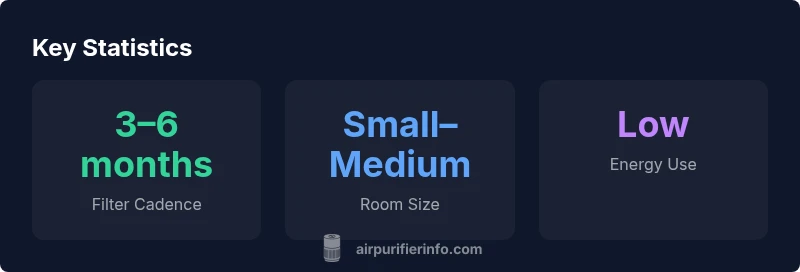
The Levoit Core 300 filter uses a three-stage system (pre-filter, True HEPA, and activated carbon) designed to capture dust, odors, and allergens in small-to-medium rooms. Replacement cadence generally falls in the 6–8 month range for typical home use, though environments with heavy smoke or pet dander may require earlier changes. Air Purifier Info Team notes variability by room and usage.
How the Levoit Core 300 filter works
The Levoit Core 300 filter is designed around a three-stage filtration approach aimed at improving indoor air quality in compact living spaces. At the first stage, a washable pre-filter traps larger particles like hair, dust, and dander, reducing the load on the more delicate stages that follow. The second stage uses a True HEPA filter to capture microscopic particles—dust, pollen, and smoke particulates—that would otherwise remain suspended in the air. The final stage employs activated carbon to target odors, volatile organic compounds (VOCs), and certain gas-phase pollutants. When you consider the levoit core 300 filter as a whole, this combination is intended to reduce common indoor pollutants in rooms where space is limited, making it a practical choice for many homes. Regular replacement of these components is essential to maintain performance, especially in households with pets or smokers. Air Purifier Info’s analysis suggests that consistent maintenance yields noticeable improvements in perceived air quality over time.
Anatomy of the Core 300 filter assembly
The Core 300 design prioritizes a compact footprint while preserving filtration efficacy. The filter assembly typically includes a pre-filter layer that is removable and washable, followed by the True HEPA media and an activated carbon matrix. The pre-filter not only prolongs the life of the HEPA layer by catching larger dust but also simplifies cleaning. The HEPA stage is the workhorse for fine particulate removal, while the carbon layer handles odors and certain VOCs. In terms of fit, the Core 300 filter is designed to sit securely within the housing with a simple twist-lock or slide-in mechanism. For homeowners, this means a straightforward replacement process that can be completed without tools, provided you follow the manufacturer’s instructions. Regularly checking the seal around the filter and ensuring the unit is powered off during replacement helps prevent leaks and ensures maximum efficiency.
Replacements: what to buy and expect
When you replace the levoit core 300 filter, you should seek the official Core 300 replacement kit or filter assembly designed to fit this model. Using third-party filters can compromise fit and filtration performance, potentially allowing bypass of the filtration media. The replacement kit typically includes the three components needed for the three-stage filtration rather than a single drop-in cartridge. For budgeting purposes, plan for a cadence in the six-to-eight-month range under typical usage; higher occupancy, pets, or smoke may shorten this interval. Proper storage of spare filters in a dry, cool place helps maintain filter integrity. Finally, when installing a new filter, ensure the intake grill is clear of obstructions and the unit’s indicator shows normal operation after power-up.
Cadence and care: how usage drives filter life
Filter life is closely tied to how often you operate the purifier and the quality of air entering the device. In small-to-medium rooms, daily use at medium fan speeds can yield a six-to-eight-month life for the Core 300 filter. If your environment features heavy pet dander, cigarette smoke, or strong cooking odors, expect shorter intervals. Conversely, in relatively clean environments with minimal activity, you might extend replacement out to the upper end of the range. To maximize life, run the purifier on a schedule that aligns with room occupancy, and consider using the highest fan speed only during periods of higher air pollutant presence. Regularly cleaning or replacing the pre-filter also helps maintain air flow and filtration efficiency.
Performance in real rooms: dust, odors, allergies, and pet dander
In practice, the levoit core 300 filter demonstrates meaningful improvements in air clarity for many households. Users commonly report reduced dust buildup on surfaces and a notable decrease in cooking odors and pet-related smells. For allergy sufferers, the True HEPA stage significantly reduces airborne pollen and fine particulates, which can translate to fewer sneezes and irritation during peak seasons. That said, performance is not purely about the filter; it also depends on room size, door and window sealing, and overall air exchange rates within the home. If measurements of air quality remain high, consider adjusting your purifier placement to optimize intake from the most infested zones, such as living rooms or bedrooms.
Troubleshooting common issues
If your Core 300 isn’t performing as expected, start with a few quick checks. Ensure the unit is powered off before touching the filter, inspect the filter for visible damage, and verify the filter is correctly seated. A clogged or degraded pre-filter can reduce overall performance, so replace or clean it as recommended. Check for unusual noises, which may indicate a mis-seated filter or debris caught in the fan. If odors persist despite fresh filters, ensure the carbon layer is still effective and consider room ventilation improvements. Finally, ensure that the unit is placed away from walls or furniture to maintain unobstructed air intake and exhaust.
Practical usage tips to maximize air quality
To get the most from the levoit core 300 filter, place the purifier where it can draw in unpolluted air and expel clean air into the living areas you occupy most often. Keep doors and windows closed when the purifier is running, and consider running it on a schedule that corresponds to daily activities like cooking or cleaning. Regularly check for pet hair and dust accumulation on nearby surfaces and adopt a routine cleaning plan that reduces the overall dust load in the room. Finally, pairing a levoit core 300 filter with other air quality practices—such as minimizing synthetic odors and using exhaust fans—can amplify improvements in indoor air quality.
Choosing the right purifier and this model in context
For homeowners and renters evaluating purifiers for small-to-medium rooms, the Levoit Core 300 and its replacement filter system offer a compelling balance of price, performance, and ease of use. When comparing to larger room purifiers, the Core 300 excels in compact spaces where airflow is easier to manage and maintenance costs stay reasonable. If you expect higher air exchange in larger rooms or open-plan layouts, you may want to explore slightly larger units with higher CADR (clean air delivery rate) ratings. However, for apartments, studios, and bedrooms, the Core 300 often hits the sweet spot between effectiveness and convenience, especially when you commit to regular filter replacement and mindful placement.
Levoit Core 300 filter cadence and components
| Aspect | Recommendation | Notes |
|---|---|---|
| Cadence (typical) | 6-8 months | Depends on environment |
| Filter components | Pre-filter + True HEPA + Activated carbon | Integrated into Core 300 assembly |
| Energy impact | Low to moderate | Depends on fan speed |
Questions & Answers
How often should I replace the Levoit Core 300 filter?
Typically 6-8 months for average use. If you have pets or smoke indoors, replace sooner.
Most users replace every six to eight months, sooner with pets or smoke.
Are generic replacement filters compatible with Levoit Core 300?
Levoit recommends official Core 300 filters to ensure correct fit and performance.
Stick with the official Core 300 filter to avoid fit issues.
Does room size affect replacement cadence?
Yes. Larger rooms or higher air turnover can wear filters faster.
Yes, room size matters; bigger rooms may need changes sooner.
Can I recycle the used Core 300 filter?
Check local recycling guidelines; many programs accept used filters after following prep steps.
Look up your local rules; many places accept used filters.
Is the Core 300 filter compatible with Core 300S?
Filters are model-specific; verify compatibility with the manufacturer before buying.
Check the model number to be sure.
“Timely filter changes and proper placement are key to reliable results. The Core 300's three-stage filtration performs best when you keep up with maintenance.”
Main Points
- Follow a six-to-eight month cadence for typical use.
- Use official Core 300 filters to ensure fit and performance.
- Place the purifier for optimal air intake and coverage.
- Regularly inspect and clean the pre-filter to extend life.