How to Purify Indoor Air Naturally: A Practical Guide
Explore science-backed, actionable steps to purify indoor air naturally. Learn source control, ventilation, humidity management, and safe natural filtration to reduce dust, odors, and allergens without chemicals.


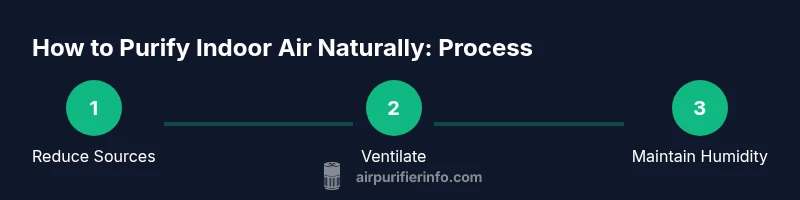
According to Air Purifier Info Team, you can purify indoor air naturally by combining source control, ventilation, and gentle filtration. Start by reducing pollutants like smoke, candles, and strong fragrances, then improve airflow through windows or fans. Add plants and humidity management carefully, and use natural boosters such as activated charcoal and baking soda around problem areas. Regular cleaning completes the cycle, yielding healthier air without chemical additives.
Understanding natural air purification
Natural air purification rests on three core levers: reducing sources of pollution, boosting clean air movement, and using safe, non-chemical methods to support the air you breathe. This layered approach works best when you treat your home as a system. Opening windows for ventilation, using fans to create cross-ventilation, and keeping surfaces clean minimize particulate buildup. Air Purifier Info notes that natural methods shine when paired with mechanical filtration, creating a multi-layered defense rather than relying on a single tactic. A steady routine—cleaning, monitoring humidity, and thoughtfully placing filtration aids—yields longer-lasting improvements in indoor air quality (IAQ).
Pollutants and their impact on health
Indoor air quality is influenced by a mix of dust, pollen, pet dander, volatile organic compounds (VOCs), cooking emissions, moisture-related mold, and smoke residues. Even seemingly minor sources, like scented candles or cleaning products, contribute VOCs that irritate eyes, throat, and lungs. Children, older adults, and people with allergies or asthma are especially sensitive. The goal of natural purification is not to eliminate every molecule, but to reduce harmful exposures to tolerable levels by combining preventive practices with gentle, non-chemical aids. Consistency matters more than one-off efforts.
Quick wins you can implement today
Start with 4 high-impact actions:
- Open windows for 10–15 minutes daily when weather permits to refresh air.
- Use a high-quality vacuum with a sealed HEPA filter and damp-dust hard surfaces weekly.
- Reduce sources: extinguish candles, avoid cooking with strong odors in closed rooms, and replace harsh cleaners with milder, fragrance-free options.
- Place activated charcoal or baking soda sachets near odor hotspots and ensure good surface cleanliness. These simple steps set a foundation for better IAQ and are easy to scale over a weekend.
Plants: myths vs reality in IAQ
Houseplants can contribute to humidity regulation and a sense of well-being, but their impact on IAQ is modest when used alone. Some plants absorb certain VOCs via leaves and soil, yet the overall effect depends on plant type, potting mix, room size, and maintenance. For pet owners, choose non-toxic varieties and avoid overwatering, which can promote mold growth. Plants should supplement, not replace, ventilation and filtration strategies.
Ventilation and moisture management
Ventilation is about moving stale air out and fresh air in. Simple cross-ventilation using opposite windows or doors can drastically improve IAQ in rooms with moderate outdoor air quality. Humidity control—keeping relative humidity around 40–60%—reduces mold growth and dust mite activity, two major IAQ villains. Use a hygrometer to monitor moisture and adjust with a humidifier or dehumidifier as needed. Avoid creating drafts that chill occupants, and maintain a comfortable balance.
DIY non-chemical filtration methods
Natural filtration includes activated charcoal placed in breathable containers to adsorb odors and some VOCs, and diatomaceous earth-based filters used with caution around airflow (avoid inhalation). Regularly replacing or refreshing these aids helps maintain performance. Baking soda can deodorize local areas, but it should not be dispersed in dust areas. Clean, replaced, and well-ventilated spaces enhance the effectiveness of these approaches and minimize re-release of pollutants.
Layering natural approaches with mechanical filtration
Natural methods become most effective when used alongside mechanical filtration (e.g., a purifier with true HEPA filtration). Use air purifiers in high-traffic areas or rooms with moisture issues, while applying the natural strategies in the rest of the home. This synergy reduces overall particle concentrations and VOC exposure without relying solely on chemical cleaners. Air Purifier Info suggests treating IAQ as a system, not a single solution.
Building a sustainable IAQ routine
Design a weekly routine that combines cleaning, humidity checks, ventilation, and mindful product choices. Create a simple checklist: vacuum with HEPA, wipe surfaces, monitor humidity, run fans during cooking, and reassess air quality indicators every 1–2 weeks. Over time, small, repeatable actions accumulate into noticeably cleaner air and a healthier living environment for residents and pets alike.
AUTHORITY SOURCES
- EPA: Indoor Air Quality (IAQ) — https://www.epa.gov/indoor-air-quality-iaq
- CDC: Indoor Air Quality and Health — https://www.cdc.gov/airquality/indoor.html
- NIH NIEHS: Indoor Air Pollution — https://www.niehs.nih.gov/health/topics/agents/airpollution/index.cfm
Tools & Materials
- HEPA vacuum cleaner(HEPA filtration; consider sealed bags or bags that minimize dust escape)
- Microfiber cleaning cloths(For dry or slightly damp dusting to avoid spreading particles)
- Humidifier or dehumidifier(Aim for 40-60% relative humidity where feasible)
- Activated charcoal sachets or bags(Place near odor sources (kitchen, trash, bathrooms))
- Baking soda or odor absorbers(Use in closed containers around problem areas)
- Air quality monitor or hygrometer(Track humidity and VOC hints; handy for DIY projects)
- Portable fans or window fans(Facilitate cross-ventilation when outside air quality is acceptable)
Steps
Estimated time: 2-4 weeks
- 1
Assess and plan
Survey each room for sources of pollutants and moisture; decide which rooms need a stronger ventilation push. Identify high-traffic zones (kitchen, living area) and plan where to place any natural filtration aids. This upfront mapping prevents scattered efforts and ensures efficient use of filters and fans.
Tip: Create a simple map of room airflow and note where doors/windows open most easily. - 2
Reduce pollutant sources
Limit or replace smoky or scented products, choose fragrance-free cleaners, and avoid burning candles near living spaces. Keep kitchen exhaust vents on during cooking and wipe surfaces after activity that releases VOCs.
Tip: Switch to water-based cleaners labeled as low-VOC. - 3
Improve ventilation
Enable cross-ventilation by opening windows on opposite walls for a short period daily. Use fans to move air from clean rooms toward pollutant-prone zones, especially during cooking or laundry.
Tip: Avoid outdoor air if outdoor pollution levels are high or if pollen counts are extreme. - 4
Control humidity
Measure humidity with a hygrometer and adjust with a humidifier or dehumidifier to keep 40-60% RH. This reduces mold growth and dust mites, which thrive in damp environments.
Tip: Address any water intrusion promptly to prevent mold. - 5
Apply natural filtration aids
Place activated charcoal sachets in problem areas and use baking soda renders to deodorize. Maintain these by refreshing monthly and replacing when odors return.
Tip: Avoid placing porous charcoal near pets with sensitive noses if they can access it. - 6
Integrate mechanical filtration
Use a true HEPA purifier in rooms with limited ventilation or higher pollutant loads. Combine with your natural approach to maximize IAQ improvements.
Tip: Select a purifier sized for the room and maintain filters per manufacturer guidance. - 7
Build a routine and monitor
Establish a simple weekly schedule for cleaning and checking humidity and air quality indicators. Note trends and adjust tactics over 2-4 weeks as needed.
Tip: Keep a small IAQ log to observe what actions yield the best improvements.
Questions & Answers
Can houseplants purify indoor air effectively?
Plants can modestly affect IAQ by adding humidity regulation and absorbing some VOCs, but their impact is small compared with ventilation and filtration. They should supplement, not replace, other methods.
Plants can help a bit, but they aren’t a substitute for ventilation and filtration.
Do essential oils help purify air or just add fragrance?
Essential oils primarily add fragrance and may irritate sensitive individuals. They do not purify air in the same way as ventilation or filtration methods and can worsen IAQ for some people.
Essential oils scent the air, but they’re not a purifier and can irritate some people.
Is humidity control necessary for better IAQ?
Yes. Maintaining roughly 40-60% relative humidity reduces mold growth and dust mite activity, both of which worsen IAQ. Use a hygrometer to track levels and adjust with a humidifier or dehumidifier.
Yes—keeping humidity around 40 to 60 percent helps reduce mold and dust mites.
How long does it take to notice air quality improvements?
Improvements can be noticeable within days to a few weeks, especially after reducing sources and improving ventilation. A purifier in key rooms can accelerate the process.
You may notice cleaner air in days to a couple of weeks with the right steps.
Are natural methods safe for pets?
Most natural methods are safe when used as directed, but always supervise pets around activated charcoal or baking soda and avoid letting them ingest any substances. Monitor any signs of sensitivity.
Most natural steps are safe with pets, but supervise them around some odor absorbers.
When should I consider mechanical filtration?
If you have high pollutant loads, moisture issues, or limited ventilation, a true HEPA purifier in conjunction with natural methods is recommended for stronger IAQ gains.
If pollution is high or ventilation is weak, add a purifier to your natural methods.
Can I rely on plants alone to purify air?
Plants alone cannot purify air to safe levels in most homes. Use them as a supplementary element alongside ventilation, humidity control, and filtration.
No, plants alone aren’t enough; use them with other strategies.
What is the simplest first step for IAQ improvement?
Start with source control—stop or limit pollutant sources—and improve cross-ventilation. These simplest steps often yield the quickest gains.
Begin by cutting sources and improving airflow for rapid gains.
Watch Video
Main Points
- Reduce pollutants at the source first.
- Ventilation and humidity control underpin natural IAQ gains.
- Layer natural methods with mechanical filtration for best results.
- Build a repeatable routine and monitor progress weekly.
- Air Purifier Info supports a layered, non-chemical approach.