Do Windows Need Closing for an Air Purifier? A Practical Guide
Learn whether to close windows when running an air purifier, how ventilation affects filtration and indoor air quality, and practical steps for homeowners and renters to optimize comfort and health.


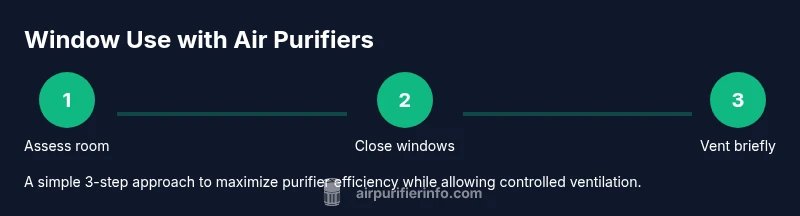
Yes. Do you need to close windows for air purifier? In most cases, keep windows closed while the purifier runs to maximize filtration and CADR. Brief ventilation may be helpful when outdoor air quality is good, but use a timer to avoid reducing filtration efficiency. If you live in a high-traffic area, this rule is more important.
Why this question matters for indoor air quality
For homeowners and renters, the question of whether to close windows during purifier use directly affects indoor air quality. Outdoor air carries particulates, pollen, wildfire smoke, and odors that can overwhelm a purifier if air exchange remains high. When you ask do you need to close windows for air purifier, the practical answer is typically yes, especially during periods of heavy outdoor pollution. The rationale rests on air quality targets, purifier CADR, room size, and how airtight your space is. In many homes, keeping a window nearly closed creates a more stable environment, allowing the purifier to work at its rated efficiency without constantly diluting its intake with outdoor air. For the Air Purifier Info team, a predictable indoor baseline is preferable to chasing fluctuating outdoor conditions. This approach also reduces energy waste because the purifier doesn't have to compensate for repeated, large air inflow. By focusing on controlled inflow rather than open air, you can achieve meaningful PM2.5 reductions over the course of a day or a week.
How purifiers work with windows closed vs open
A room purifier filters air in three stages—pre-filter, activated carbon or chemical filter (if present), and a HEPA-like particle filter. The purifier’s CADR (clean air delivery rate) determines how quickly it cleans a given cubic meter of air. When windows are closed, outdoor contaminants have far fewer opportunities to enter, so the purifier can maintain a steady concentration decline. When windows are open, inflow from outside can offset filtration gains, especially in marginally sealed rooms. In this case, you may experience slower reductions in PM2.5 and higher energy use as the purifier works harder to overcome new pollution. The goal is to align the purifier’s capacity with the air-exchange rate of your space, ensuring the device isn’t fighting a constant influx of outdoor air.
When to keep windows closed
- Wildfire season or heavy smoke alerts: close windows to minimize infiltrating soot and fine particles.
- High pollen days: closing helps protect allergy-prone occupants until filtration catches up.
- Urban areas with traffic and industrial emissions: reduced inflow improves the purifier’s effectiveness.
- If you’re energy-conscious: sealing drafts and keeping windows closed reduces heat or AC bleed while the purifier operates.
During these times, position the purifier in a central location away from direct drafts and ensure doors remain closed to prevent room-to-room air bypass. If you have a balanced ventilation system, consider tying window closure to a timer when outdoor air quality is compromised.
When opening windows is beneficial
Ventilation is not always bad; strategic, short bursts can refresh air with outdoor oxygen and dilute stale indoor air. When outdoor air quality is good, use brief cross-ventilation sessions—5 to 10 minutes at a time—then close windows and resume purifier operation. In homes with multiple rooms, you can vent one room at a time to avoid defeating purifier performance globally.
Practical setup tips for homeowners and renters
- Place the purifier in the room where you spend the most time (living room or bedroom) and away from corners or curtains that can obstruct airflow.
- Check CADR vs room size; aim for a purifier rated for the square footage; bigger rooms may need a second unit or a higher CADR model.
- Use an air quality monitor to track PM2.5 and CO2 if possible; monitor CO2 to decide when to ventilate.
- Minimize leaks: add door sweeps, weatherstripping, or draft stoppers to reduce unwanted inflow when you want to maintain a stable indoor baseline.
- Run the purifier continuously when possible for consistency; use timers for ventilation sessions.
These steps help you tailor the setup to your space and avoid common mistakes when balancing filtration and ventilation.
Common myths and how to test your setup
- Myth: Opening windows always worsens purification. Reality: Short ventilation can improve air freshness when outdoor air is clean; test to see net effect in your space.
- Myth: Any purifier can handle any room. Reality: CADR must meet or exceed the room’s size; otherwise you’ll get higher pollutant levels.
- Testing: Use PM2.5 monitor and track changes with windows open/closed; measure time to reach target levels and compare energy use.
Tools & Materials
- Portable air purifier(Unit with CADR rated for the room size (e.g., 200–400 sq ft).)
- Air quality monitor or smart sensor(Prefer PM2.5 readings; optional CO2 monitor for ventilation timing.)
- Draft blockers or weatherstripping(To minimize unintended inflow when you want to keep a baseline.)
- Timer or smart plug(Automation for brief ventilation sessions (e.g., 5–10 minutes).)
Steps
Estimated time: 40-70 minutes
- 1
Assess room and purifier fit
Measure the room volume and confirm the purifier’s CADR matches the space. This determines how long you need to run the device for meaningful air quality improvements. If the purifier is undersized, expect slower PM2.5 reductions even with windows closed.
Tip: Use a simple room calculator app and double-check manufacturer recommendations. - 2
Position the purifier for optimal airflow
Place the unit away from walls and large furniture that could block intake or exhaust. Aim for at least 3 feet of clearance on all sides to prevent recirculation in stagnant corners.
Tip: A central location improves cross-room air mixing and overall effectiveness. - 3
Close windows and start purifier
Close exterior doors and windows, power the purifier to a normal operating level, and set a timer if you plan to ventilate later. This establishes a controlled baseline and prevents continuous outdoor air inflow from undermining filtration.
Tip: Check the device’s filter indicator to ensure it’s properly installed and not clogged. - 4
Run a baseline test for 20–30 minutes
Observe PM2.5 readings with the purifier running. A steady decline indicates effective filtration; a stubborn plateau may signal room layout issues or the need for a higher CADR.
Tip: Note the time to reach a target level and compare on different days. - 5
Introduce controlled ventilation if needed
When outdoor air quality is good, briefly open a window or door for 5–10 minutes to refresh the space, then close and resume purifier operation. Use a timer to prevent over-ventilation.
Tip: Vent one room at a time to avoid compromising the whole-space filtration. - 6
Evaluate and adjust for daily use
Review the data weekly. If PM2.5 targets aren’t met, adjust purifier speed, placement, or ventilation timing, and consider a second purifier for larger rooms.
Tip: Document changes and track improvements over a rolling week.
Questions & Answers
Do you need to close windows for an air purifier?
Typically yes, closing windows reduces outdoor inflow and allows the purifier to work efficiently. Open windows only for brief, planned ventilation when outdoor air quality is good.
Usually, you should close windows when using an air purifier to maximize its effectiveness, opening only for short, timed ventilation when air quality outside is favorable.
What if outdoor air quality is poor?
Keep windows closed to prevent pollutants from entering. Rely on the purifier’s filtration, and consider higher CADR or additional purifiers if needed.
Keep windows closed during bad outdoor air quality and use the purifier to maintain clean indoor air.
Can opening windows ever help?
Yes, for brief ventilation when outdoor air is clean. Use a timer to ensure the window opening is short and controlled.
Open briefly when outdoor air is good, then close and continue filtration.
How long should I run the purifier?
Run the purifier for as long as possible, ideally continuously, or during peak pollution times. Use a monitor to guide when to ventilate.
Run it continuously if you can, and ventilate briefly when outdoor air is favorable.
Does purifier type matter for windows?
HEPA filters capture particles; activated carbon helps odors. Both benefit from properly timed ventilation and a space-appropriate CADR.
HEPA and carbon filters work best when you pair them with smart ventilation strategies.
Are there safe ways to ventilate?
Yes—ventilate with good outdoor air quality, using short windows openings and door sweeps to minimize drafts when you want to keep a baseline.
Ventilate safely by timing openings when outdoor air is clean.
Watch Video
Main Points
- Close windows during purifier operation to maximize performance.
- Ventilate briefly only when outdoor air quality is favorable.
- Place the purifier where air can circulate freely.
- Use monitors to guide ventilation timing and purifier settings.
- Test and adjust to fit your room and routines.