Do Air Filters Go in Trash or Recycle? A Practical Disposal Guide
Learn how to dispose of used air filters properly. Do air filters go in trash or recycle? This guide covers material realities, recycling options, and safe handling to minimize waste.


Disposing air filters is mostly trash, not recycling. Most consumer filters combine media like paper, fiberglass, activated carbon, and glue with a metal frame, which many curbside programs do not accept. If possible, recycle the metal frame and any packaging, but seal the used filter in a bag to prevent dust. Always check local guidelines or manufacturer take-back options for best waste reduction.
Do air filters go in trash or recycle? Practical overview
The question do air filters go in trash or recycle is common among homeowners trying to minimize waste. In most cases, used air filters should be treated as garbage rather than placed in curbside recycling. Filters typically combine multiple media—paper, fiberglass, activated carbon, and adhesives—with a metal frame. This blend makes them difficult to recycle through standard municipal programs. For environmental reasons, start by checking your local guidelines and any manufacturer take-back options. If your program allows it, recycle the metal components separately; otherwise, seal the used filter in a bag before disposing of it in the household trash to prevent dust leakage during collection. Remember that even when recycling is available, not all media can be recycled, and some filters are single-use while others offer extended life with proper maintenance.
Materials composition: what’s inside most air filters and why it matters
Most residential air filters are built from a combination of media layers. These can include pleated paper, fiberglass, or synthetic fibers, plus activated carbon for odor removal, and a thin metal or plastic frame to hold the media in place. The exact mix varies by brand and model. Adhesives or sealants may also be present to keep layers bonded. Because of this mixed composition, curbside recycling programs often cannot process the full filter, and attempting to recycle the whole unit can contaminate other recyclables. Understanding the materials helps you decide whether to place the unit in the trash or pursue specialty recycling or manufacturer programs.
Recycling reality: what can and can't be recycled
Recycling options for used air filters are uneven and highly dependent on local programs. Generally, the metal frame may be recyclable where metal recycling is offered, but most filter media (paper, fiberglass, carbon) is not accepted curbside. Some municipalities require removing the media and placing it in regular trash, while others offer drop-off facilities for HVAC components or allow mail-back programs from manufacturers. Before discarding, look up the local recycling guidelines and see if the manufacturer provides a take-back option. If a program exists, follow their steps precisely to ensure proper handling and avoid contamination of other recyclables.
How to prepare a used filter for disposal
Preparation reduces dust release and makes disposal cleaner. First, wear disposable gloves to protect the skin from potential irritants. Then, power down and unplug the purifier before removing the filter. Place the filter in a sealable plastic bag or heavy-duty trash bag, squeezing out as much air as possible. Finally, seal the bag and label it if desired, and place it in the trash or follow manufacturer/municipal guidance for return. Cleaning the exterior housing with a damp cloth after removal helps minimize any residual dust that could escape during transport.
Case study: HEPA vs carbon filters
HEPA filters capture fine particles and are widely used in purifiers for allergies and dust. Carbon filters adsorb odors and some gases but do not remove particulates as effectively. Disposal considerations differ slightly: carbon media may be more challenging to recycle than the metal frame, while HEPA media often cannot be recycled and should be disposed of with regular waste in most regions. Regardless of type, always consult local recycling rules and take-back options first.
Manufacturer take-back programs and municipal options
Many brands offer take-back or mail-back programs for used filters, especially higher-end purifiers. If a program is available, it can be the most environmentally friendly option, since manufacturers can divert materials from landfills and recycle components when possible. If no take-back is offered, contact your municipal waste authority to learn about approved disposal pathways for HVAC filters in your area. Keep a copy of the program instructions handy so you can reference them when needed.
Safe handling to avoid dust release during disposal
To minimize indoor dust exposure, handle filters gently and avoid crushing or tearing the media. Always seal the used filter in a bag before transporting it to the trash. If you suspect mold or signs of moisture, place the filter in an extra bag and avoid using the purifier until a replacement is installed. Wash hands after handling, and ventilate the room if possible to reduce any residual dust exposure.
Reducing waste with smarter purchasing and extended-life filters
Choosing higher-quality, longer-lasting filters can reduce disposal frequency. Look for filters with longer service life, washable or reusable media in some purifier models, and ones that have clear disposal guidance from the manufacturer. When possible, select products that offer take-back programs or recyclable components. Keeping a regular replacement schedule also helps minimize waste and maintain indoor air quality effectively.
Step-by-step decision guide for curbside or take-back
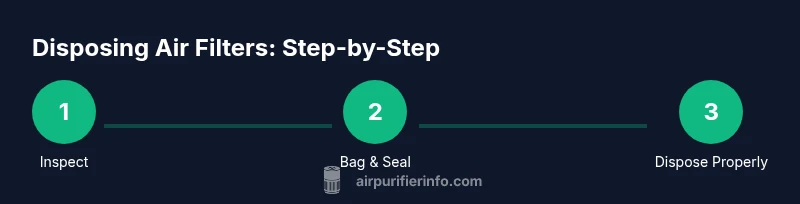
First, search your local recycling guidelines and confirm whether the filter media is accepted. If not, determine whether the metal frame qualifies for recycling separately. If a manufacturer take-back option exists, compare the environmental benefit and any costs. If neither option is available, prepare the filter for trash disposal by bagging it securely and following safe handling practices. Finally, reuse or recycle packaging as appropriate and keep records of disposal decisions for future reference.
Common mistakes and how to avoid them
Avoid throwing filter media in the recycling bin or mixing different household recyclables. Do not rinse used filters, which can spread contaminants; never burn filters, which releases toxins. Finally, don’t ignore manufacturer or local guidelines—disposal rules vary by location and filter type, and following them helps minimize environmental impact.
Quick-reference disposal checklist
- Check local guidelines for disposal options.
- If unsure, err on the side of trash and seal the filter.
- If a take-back program is available, prefer it.
- Seal the used filter in a bag to prevent dust release.
- Wash hands after handling and recycle packaging where possible.
Tools & Materials
- disposable gloves(Use nitrile or latex; one pair per disposal session)
- heavy-duty trash bag(13–15 gallon or larger; place bag inside another bag for extra containment)
- sealable plastic bag(Optional but helpful for extra containment before trash bagming)
- damp microfiber cloth(For wiping purifier exterior after removal)
- permanent marker(To label bag if desired (e.g., 'Used air filter'))
Steps
Estimated time: 20-30 minutes
- 1
Power down and remove the filter
Turn off and unplug the purifier, then carefully open the unit to access the filter. Remove the filter without shaking to minimize dust release.
Tip: If the unit is tightly sealed, use the user manual guidance to avoid damaging seals. - 2
Inspect for disposal labeling
Check the filter packaging or user manual for disposal instructions or take-back options. Some brands provide specific guidance.
Tip: Manufacturer programs are often the most environmentally friendly option. - 3
Seal and bag the filter
Place the used filter in a sealable bag, squeeze out excess air, and seal tightly to prevent dust leakage during transport.
Tip: Double-bag if dust is visible or if local rules require extra containment. - 4
Choose trash or take-back
If no take-back is available, place the bagged filter into the trash. If a program exists, follow its steps precisely.
Tip: Do not mix filter media with other recyclables. - 5
Clean the purifier exterior
Wipe the exterior housing with a damp cloth and allow to dry before reassembly or storing.
Tip: Avoid getting water into any electronic components. - 6
Plan the next replacement
Mark your calendar for the next filter replacement and set reminders to reduce waste and maintain air quality.
Tip: Consider longer-life or washable options if appropriate for your purifier.
Questions & Answers
Do all air filters go in the trash, or can some be recycled?
Most residential air filters are best placed in the trash due to their mixed-media construction. Metal frames can sometimes be recycled where programs exist, but the filter media itself is rarely accepted curbside. Always verify local guidelines or manufacturer programs before disposal.
Most used air filters go in the trash, though the metal frame may be recyclable where programs exist. Check local guidelines first.
Can I recycle a HEPA or carbon filter?
HEPA and carbon filter media typically aren’t recyclable through standard curbside programs. Some municipalities offer special disposal or manufacturer take-back options. If in doubt, treat the filter as trash and pursue a take-back program if available.
HEPA and carbon media are usually not curbside recyclable; look for manufacturer take-back options if possible.
What should I do if my local program accepts only certain materials?
If your program accepts only metal or other components, separate those parts if possible and place the rest in regular trash following local guidance. Always follow the program’s instructions to avoid contamination of recyclables.
If only certain parts are accepted, separate them according to local rules and dispose the rest in trash.
Are used filters hazardous or dangerous to handle?
Used filters are not typically hazardous, but they can accumulate dust, allergens, and mold. Wear gloves, avoid crushing media, and seal them before disposal. Wash hands after handling.
Used filters aren’t usually hazardous, but they can have dust and mold; handle carefully and seal before disposal.
Where can I find a manufacturer take-back program?
Check the purifier brand’s website or user manual for take-back options. If unavailable, contact your local waste authority for guidance on who accepts used filters.
Look on the brand site or your manual for take-back programs, or ask your local waste authority for options.
How can I reduce filter waste in the future?
Choose longer-life filters, consider washable options where compatible, and purchase from brands with recycling or take-back programs. Proper maintenance also reduces disposal frequency by extending filter life.
Pick longer-life or washable options when possible and maintain your purifier to extend filter life.
Watch Video
Main Points
- Know local disposal rules before discarding.
- Separate recyclable metal frame if program allows.
- Seal used filters to minimize dust leakage.
- Leverage manufacturer take-back whenever possible.
- Choose longer-life or washable options to reduce waste.