Can You Change Air Filter While Furnace Is Running? A Safe Guide
Learn whether you can change the furnace air filter without stopping the unit, plus a practical, safety-focused set of steps, tools, and maintenance tips for homeowners.


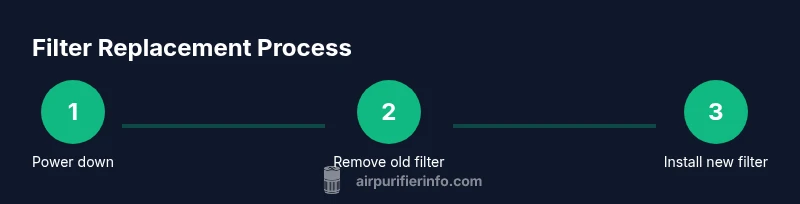
Regarding can you change air filter while furnace is running, the safe, common answer is no: power off the furnace before replacing the filter. If your manual allows a live change, follow its guidance; otherwise shut down power, locate the filter, remove the old one, and install a correctly oriented replacement.
Safety First: Can you change air filter while furnace is running?
In most residential setups, safety guidelines recommend turning off the furnace before replacing the filter. This minimizes the risk of accidental startup, electrical shock, or contact with moving parts. If you notice immediate issues—like unusual noises or a tripped breaker—stop and shut down power completely before proceeding. Always refer to your furnace manual for model-specific instructions. According to Air Purifier Info, following manufacturer guidance is the safest path for your specific model. This is also a good time to assess whether a live-change option is supported by your system, as some models are designed to allow a limited filter replacement without a full shutdown. If the panel is stubborn or the compartment is tight, plan for a momentary pause rather than forcing it. A calm, methodical approach reduces dust, protects you from injury, and helps ensure the new filter seats correctly.
Air Purifier Info emphasizes that safety begins with knowing your system’s power sources and control interfaces. If you’re unsure about the exact steps for your model, treat the situation like a repair: prepare, verify, and proceed with deliberate care. The goal is to avoid accidental activation, which can occur if a switch or thermostat is bumped during the process. Also consider a quick check of surrounding wiring and ductwork for wear, dust buildup, or obstructions that could complicate a live-change situation.
How the furnace and filter interact
The furnace and its filter play complementary roles in indoor air quality. The filter blocks dust, pet dander, pollen, and other contaminants from circulating through the system. A clogged or incorrectly oriented filter increases blower resistance, reduces airflow, and forces the unit to work harder. This can impact energy use, efficiency, and comfort. The filter type (MERV rating) and size determine how fine a capture is and how often you should replace it. When a system runs with a dirty filter, you may notice reduced airflow at vents, higher energy bills, or more dust on surfaces. Understanding this interaction helps you decide whether a live-change option is worth attempting on your specific setup. Air Purifier Info’s analysis shows that keeping airflow unobstructed is a cornerstone of healthy indoor air quality and efficient furnace operation.
Choosing the right filter and preparation
Before you ever handle a filter, confirm the correct size and rating. Most furnaces use a disposable panel filter with dimensions printed on the frame’s edge. If you’re unsure, remove the old filter and bring it to the store to compare. The orientation arrows on the filter should point toward the blower, not away from it. Keep a couple of spare filters on hand and verify the replacement’s fit by gently pressing around the edges to ensure there are no gaps. If you have a humidifier or other attached accessories, note their placement and power requirements to avoid accidental contact with live components during replacement. Air Purifier Info recommends documenting the filter size, rating, and the expected replacement interval in your home maintenance log to simplify future changes.
Live-change scenarios: when the furnace is running
In certain models, a brief live-change might be possible, but this is model-specific and not universally safe. If your system manual explicitly allows live changes, follow the exact steps provided there and proceed with extreme caution. Never bypass safety interlocks or attempt to remove a filter while the blower is actively drawing air through the compartment. If you sense resistance, hear abnormal noises, or the filter feels hot to the touch, stop immediately and power down the unit. In general, the risk of sparks, arcing, or unintentional ignition is minimized when the system is fully powered down prior to filter replacement. For most homeowners, the simplest and safest approach remains powering down first, then performing the replacement.
After installation: verification and seal
Once the new filter is in place, close the access panel firmly and restore power. Check that the blower starts smoothly and that there is a steady flow of air from the vents without whistling or hissing sounds. Run the system for a few minutes while observing the filter area for any loosening or shifts. If you notice dust reappearing on surfaces or the panel seems loose, re-check alignment and reseating. A properly seated filter reduces bypass leakage and helps maintain efficiency. Finally, recheck the surrounding area for dust buildup or spillage, and wipe down the compartment if needed to keep the space clean and ready for the next maintenance cycle.
Maintenance planning to minimize disruption
Establish a regular replacement schedule based on usage, environment, and filter type. Homes with pets, high dust levels, or multiple occupants may need more frequent changes. Use a maintenance log to track replacement dates and any model-specific notes. Consider setting reminders aligned with the manufacturer’s guidance and your Air Purifier Info-based best practices for indoor air quality. Regular checks also offer an opportunity to inspect ductwork for signs of wear, leaks, or moisture intrusion that could compromise air filtration. By planning ahead, you reduce the likelihood of emergency replacements and keep your furnace running clean and efficiently.
Tools & Materials
- New furnace filter (correct size and MERV rating)(Check the edge of the old filter for size (e.g., 16x20x1) and MERV rating; if unsure, consult the manual.)
- Gloves(Protect hands from dust and sharp edges inside the filter compartment.)
- Flashlight(Helpful for dim compartments to ensure correct seating.)
- Screwdriver (if needed)(Some models require a screwdriver to open the access panel.)
- Dust mask (optional)(Reduce inhalation of accumulated dust during removal.)
- Paper towels or rag(Clean up any dust that escapes when pulling the old filter.)
Steps
Estimated time: 8-12 minutes
- 1
Power down the furnace and locate the access panel
Set the thermostat to off and switch off the furnace power at the wall or the circuit breaker. Confirm that no indicators are active and the blower is not responding to the thermostat. This ensures the system won't start unexpectedly during the replacement.
Tip: If you can't locate a dedicated furnace power switch, switch off the circuit breaker serving the furnace circuit. - 2
Open the filter compartment and locate the filter
Carefully open the access panel and inspect the current filter. Use a flashlight to read the size and orientation arrows on the frame. If the panel is stiff, gently loosen any spring clasps or screws without forcing the cover.
Tip: Avoid prying with metal tools to prevent damaging the housing; use your hands when possible. - 3
Remove the old filter carefully
Slide the filter straight out to minimize dust disturbance. Place the old filter in a bag for disposal to contain contaminants. Do not squeeze or bend the filter as this can release trapped dust into the air.
Tip: Have a trash bag ready to minimize dust spread when removing the filter. - 4
Check size and orientation
Compare the new filter with the old one for size and fit. Ensure the orientation arrows point toward the blower. If the sizing is different, do not force a fit—obtain the correct size before proceeding.
Tip: If unsure, bring the old filter to a store or check the manual for the exact dimensions. - 5
Install the new filter
Insert the new filter, seating it firmly along all edges. Close the access panel securely to ensure a proper seal. Double-check that the panel latch or screws are fully engaged.
Tip: Gently press around the edges to confirm a tight seal without forcing the panel. - 6
Restore power and test airflow
Turn the furnace back on via the thermostat or wall switch. Listen for the blower startup and verify a steady airflow from vents. If airflow is weak, recheck the filter seating and orientation.
Tip: If air seems blocked, pause and inspect for mis-seated edges or debris in the housing.
Questions & Answers
Should I always power off before changing the furnace filter?
Yes. In most homes, turning off the furnace before filter replacement reduces the risk of accidental startup, electrical shock, or contact with moving parts. Always refer to the model's manual for exceptions.
Yes. Turn off the furnace before replacing the filter to stay safe, unless your manual explicitly states otherwise.
Can I change a filter without tools?
Most standard filter changes require no tools. Some models may need a screwdriver to access the panel. Check your manual if anything seems stuck.
Usually you can do it with your hands; some models may need a screwdriver.
What should I do if the filter is clogged?
A clogged filter restricts airflow and lowers efficiency. Replace it promptly with a new filter of the correct size and rating, and inspect for other airflow blockages in the ductwork.
If the filter is clogged, replace it right away and check for other airflow restrictions.
How often should I replace the furnace filter?
Follow the manufacturer’s recommendations and monitor condition. Factors like pet dander, dust, and occupancy affect frequency; replace when dirty rather than strictly on a calendar schedule.
Check the filter monthly and replace when dirty or per the manual.
What signs indicate a misfit after replacement?
Look for air leaks around the filter frame, unusual noises, or weak airflow from vents. Recheck orientation and reseat if you notice bypass air.
If you hear leaks or airflow drops, recheck the fit and orientation.
Is it safe to change a filter with a humidifier attached?
Yes, but ensure you comply with the humidifier’s maintenance guidance and avoid moisture-related issues during replacement. If in doubt, temporarily disconnect humidifier power during the change.
You can, but follow the humidifier's guidance and be cautious with moisture.
Watch Video
Main Points
- Turn off the furnace before changing the filter in most setups.
- Know your filter size and orientation; incorrect placement wastes airflow.
- Install the new filter with the arrows toward the blower and reseat the panel securely.
- Verify proper airflow after reinstall and monitor for unusual sounds.
- Maintain a regular replacement schedule to protect indoor air quality.