Air Purifier for Poor Air Quality: A Practical How-To
Learn how to choose and use an air purifier for poor air quality. This educational guide covers sizing, filtration, placement, maintenance, and cost considerations for healthier indoor air.


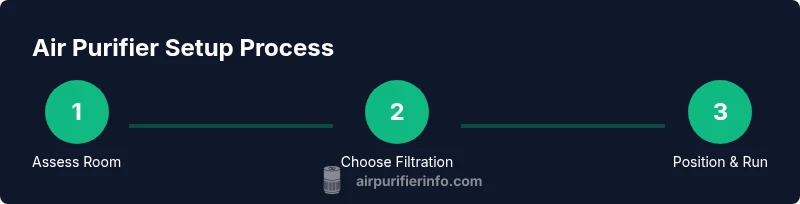
You can dramatically improve indoor air quality with an air purifier designed for poor air quality. Start by sizing the unit to your room, selecting a true HEPA purifier with adequate filtration, and confirming VOC removal if needed. Place the purifier away from walls, run it continuously at a comfortable level, and replace filters on schedule.
Understanding the need for an air purifier in a home with poor air quality
Poor indoor air quality (IAQ) can arise from dust, pollen, pet dander, mold spores, cooking emissions, and outdoor pollutants drifting indoors. An air purifier for poor air quality can help reduce particle levels, odors, and some gases, leading to fewer allergy flare-ups and easier breathing. According to Air Purifier Info, improving IAQ is not about a single gadget but about a layered approach: filtration, placement, and maintenance. In many homes, a well-chosen purifier becomes a core part of daily life, especially in bedrooms, living spaces, and kitchens where occupants spend long hours. The right purifier depends on your space, lifestyle, and sensitivity to irritants.
How air purifiers work: filtration mechanisms explained
The core idea behind an air purifier for poor air quality is simple: move air through filters that remove contaminants. Most units use a multi-stage approach: a prefilter to catch large particles, a true HEPA filter to trap small particles, and an activated carbon or specialty filter to address odors and certain gases. Some purifiers add a washable layer or UV-C light as an optional enhancement, but the main reduction in allergens and smoke comes from the filtration stack. Effective purifiers create a steady circulation pattern that reduces stagnant pockets of polluted air and keep frequently used living spaces more comfortable. When you understand how the different layers work together, choosing a model that matches your needs becomes clearer.
Room sizing and purification capacity: how to decide
Air purifiers for poor air quality are most effective when the unit is matched to the room. Start by measuring the space you want to treat and then look for a purifier whose theoretical coverage aligns with that area. In practice, a room-sized purifier should be placed where it can circulate air without immediate obstructions, with a clear path to occupants. If you routinely open windows or cook heavily, you may want a unit with stronger filtration or carbon filtration to tackle odors and VOCs. Remember, the goal is to balance air changes with quiet operation so you can breathe easier without constantly adjusting settings.
Selecting the right purifier: essential features to evaluate
Look for a true HEPA filter as the baseline. An activated carbon filter helps with odors and VOCs; consider multiple carbon layers if your space smells persist. Check for a simple indicator to show when filters need replacement, and prefer models with easy, tool-free filter changes. Noise level matters, especially in bedrooms; seek units with a low-noise or night mode. Auto or smart modes that respond to air quality readings can simplify use. Finally, review energy use and warranty; long-term value comes from reliable performance and readily available replacement filters. With these features in mind, you’ll be able to compare different purifiers for poor air quality effectively.
Placement and airflow: where and how to position your purifier
Air circulates best when the purifier is not blocked by furniture or walls. Place the unit in the center of the room or near the source of pollutants (such as near a cooking area) while avoiding corners where air can stagnate. Keep a few feet of clearance around the intake and outlet and aim the airflow toward the main seating area. For rooms with doors, leaving doors open improves cross-ventilation and overall IAQ. If you share walls with neighbors who smoke or burn candles, positioning closer to that area can help reduce the spread of pollutants throughout the space. By optimizing placement, you maximize the effect of each air cleaning cycle.
Operating modes: balance between performance, noise, and energy
Most purifiers offer multiple speeds and a night or quiet mode. In daytime use, you can run on higher settings when cooking or cleaning to quickly reduce odors and particles. In bedrooms or nurseries, a low or auto mode keeps noise levels comfortable while maintaining ongoing filtration. Auto mode uses internal sensors to increase or decrease fan speed based on detected air quality, which helps conserve energy. If your purifier lacks a sensor, you can rely on a simple schedule aligned with your daily routines. Long-term energy use is generally modest, especially when you choose models with efficient motors and high-quality filtration.
Odors, dust, allergies, and pet dander: tailoring your purifier
Allergies and asthma sufferers benefit from consistent particulate reduction; dust and pollen levels drop as the purifier runs. If you’re dealing with kitchen odors or smoke, prioritize a purifier with a robust activated carbon filter or a second stage that addresses gases. Pet owners can notice improvements in dander-related irritation after steady use. For best results, run the purifier during active living hours or overnight in larger spaces, and use door seals or draft stoppers to minimize new pollutants entering from outside.
Maintenance: filters, cleaning, and scheduling
Maintenance is the easiest way to keep a purifier effective. Regularly inspect prefilters and replace or wash as recommended by the manufacturer to prevent airflow blockages. HEPA filters and carbon filters have different lifetimes; replace them when performance declines or smell lingers. Keep external surfaces clean with a microfiber cloth; this reduces resuspension of settled dust. If your model has a filter life indicator, follow its guidance. Buying spare filters is cost-efficient, ensuring you can swap without downtime. Record the dates you replace filters to establish a personal replacement cadence that suits your home’s air quality needs.
Measuring impact: how to know if you’re breathing better
Air quality improvements can be subtle at first. If you have access to a home IAQ monitor or a CO2 monitor, you can observe changes in particle counts and general air freshness. Tracking symptoms like fewer sneezes or less eye irritation after consistent use is another practical sign. In environments with high odors or strong cooking emissions, you may notice odor reduction more quickly than visible dust changes. Remember that IAQ is influenced by multiple factors, including humidity and ventilation; an air purifier is most effective when used with other strategies.
Cost considerations and long-term value
Upfront costs vary by features and room size, but a prudent approach weighs upfront price against ongoing filter costs and energy use. Choose a purifier with widely available replacement filters and a proven track record for reliability. While premium models may offer extra features, many homeowners find solid mid-range purifiers provide the best balance of performance and economy. For renters, consider portability, plug-and-play use, and the ability to move the unit across rooms as needed. Over time, the reduction in allergy symptoms and improved comfort can justify the investment.
Safety myths, limitations, and responsible use
Some people wonder if purifiers can eliminate all odors or replace ventilation. They cannot replace good ventilation or outdoor air exchange, but they can significantly reduce contaminants. Beware of ozone-generating devices marketed as purifiers; ozone can irritate the airways and degrade indoor air quality. Choose ozone-free models and sanitize options that are non-ozone-based. Implement safety measures such as keeping unit cords out of reach of children and ensuring placement away from moisture sources to avoid electrical hazards.
A practical plan for renters and homeowners
For homeowners, integrate a purifier as part of a broader IAQ strategy: seal leaks, manage humidity, and use exhaust fans during cooking. Renters can prioritize portable units with easy filter replacement and keep a couple units for larger spaces. In both cases, maintain a routine: run the purifier during peak use times, monitor air quality, and adjust placement if odors or irritants persist. The daily routine should be simple enough to stay consistent.
Quick-start guide for using your air purifier today
To get started now, remove the protective packaging, place the purifier in a central location, plug it in, and set to a moderate speed. Close doors to limit pollutant inflow and keep windows closed during heavy outdoor pollution days. Check filters after the first week and replace if discolored. In the weeks ahead, track any symptom changes and adjust operation accordingly.
What’s next: advanced IAQ strategies and monitoring
Consider pairing your purifier with a humidifier or dehumidifier to control moisture, use ceiling or exhaust fans to improve ventilation, and use IAQ monitors to track air quality over time. If you have a history of allergies or asthma, discuss purifier use with a healthcare professional to tailor settings to your needs.
Tools & Materials
- Air purifier unit with true HEPA filter(Choose a model designed for your room size and with a true HEPA standard)
- Replacement filters (HEPA + activated carbon)(Keep on hand to avoid downtime)
- Measuring tape or ruler(To measure distance from walls when placing unit)
- Outlet and surge protection(Use a grounded outlet; avoid extension cords)
- Microfiber cloth(For cleaning exterior surfaces and prefilters)
- Optional IAQ monitor or hygrometer(Helps track air quality in real time)
Steps
Estimated time: about forty minutes
- 1
Assess room needs
Start by measuring the space and listing the pollutants that most affect you (dust, pollen, odors, smoke). Consider who lives in the space and when you experience symptoms. This initial assessment informs your purifier choice, placement, and whether you need carbon filtration for odors or VOCs.
Tip: Write down room dimensions and note high-traffic zones to guide placement. - 2
Select purifier features
Choose a purifier with a true HEPA filter and activated carbon for odor and gas control. Look for easy filter access, clear replacement indicators, and a mode you can rely on at night. If available, prefer auto mode to adjust to air quality automatically.
Tip: Prioritize filter accessibility and availability of replacement cartridges in your area. - 3
Position the unit correctly
Place the purifier in a central, unobstructed location with space around the intake and outlet. Avoid corners and keep doors open when possible to encourage cross-ventilation. Point airflow toward the main living area for maximum impact.
Tip: Keep a buffer of several inches from walls to prevent recirculation of the same air. - 4
Run and test
Start at a moderate setting and observe changes in comfort and odor levels. If you notice improvements quickly, maintain this level; if not, adjust to a higher setting during peak pollutant times. Use auto mode if available to respond to air quality fluctuations.
Tip: During cooking, temporarily increase to address odors and smoke more effectively. - 5
Maintain filters
Regularly inspect prefilters and replace HEPA and carbon filters according to the manufacturer’s guidance. Keep a spare filter stash so you can swap quickly and minimize downtime. Record replacement dates to establish a personal cadence.
Tip: Set reminders for filter changes in your phone or calendar. - 6
Evaluate impact
Over several weeks, monitor air quality and symptom changes. Use any available IAQ data or simply track how often you notice improvements in breathing, sneezing, or odors. Adjust placement or run times as needed to optimize performance in your space.
Tip: If symptoms persist, consider supplementing with ventilation improvements or additional units.
Questions & Answers
What is the best air purifier for poor air quality in a typical home?
There isn’t a single best option for every home. Focus on a true HEPA purifier sized for your room, with activated carbon for odors, and easy filter replacement. Air Purifier Info emphasizes matching features to your space and sensitivities.
There isn’t one best purifier for every home. Look for true HEPA with carbon filtration and easy filter changes, and match features to your space.
Do air purifiers remove odors effectively?
Purifiers with activated carbon filters can reduce cooking and smoke odors, but some strong or persistent smells may require higher filtration capacity or additional odor-control strategies. Air Purifier Info recommends carbon-based filtration for odors.
Activated carbon helps with odors, but very strong smells may need more capacity or extra odor control.
How often should I replace the filters?
Filter lifespans vary with usage, environment, and filter type. Check the device indicator and manufacturer guidance; replace when performance declines or odor lingers. Having spare filters on hand minimizes downtime.
Replace filters according to the indicator and manufacturer guidance, and keep spares handy.
Can an air purifier help with allergies?
Yes. By removing particulates like dust, pollen, and pet dander, purifiers can reduce allergy symptoms for many people. Results vary based on space, usage, and other IAQ factors.
Yes. They reduce allergens, often improving allergy symptoms depending on usage and space.
Are ozone-free purifiers safer?
Yes. Avoid purifiers that generate ozone. Choose models labeled ozone-free and follow manufacturer guidelines for safe operation.
Yes—use ozone-free models and follow safe operation guidelines.
Will a purifier eliminate wildfire smoke completely?
Purifiers can reduce smoke particles and odors, but very dense or prolonged smoke requires a high-capacity unit and may need extended running times and supplementary ventilation.
They help, but may require a high-capacity unit and longer use during heavy smoke.
Watch Video
Main Points
- Size your purifier to the room for effective coverage.
- Choose true HEPA plus carbon filtration for best results.
- Position and run continuously to reduce pollutants.
- Maintain filters regularly to sustain performance.
- Monitor air quality and adjust usage as needed.