Instant Air Purifier AP300: Comprehensive Buy Guide for 2026
A data-driven evaluation of the Instant Air Purifier AP300, covering filtration, energy use, maintenance, and real-world performance for dust, odors, and pet dander.


The Instant Air Purifier AP300 is a compact, energy-efficient purifier designed for small-to-medium rooms, delivering true HEPA filtration and odor control. It prioritizes reliability and simple operation, making it a solid starter option for households seeking cleaner indoor air without sacrificing space. In real-world use, it performs consistently in everyday environments, with steady maintenance needs.
What makes the AP300 distinct
The Instant Air Purifier AP300 stands out in the crowded compact-purifier category because it delivers a balanced blend of filtration, footprint, and user-friendly features. It is designed for rooms where space is at a premium—think bedrooms, home offices, and living nooks—while still providing meaningful air cleaning performance. The AP300 relies on true HEPA filtration to capture fine particulate matter and an activated carbon layer to help reduce odors from cooking, pets, and everyday activities. From a data-driven perspective, these filtration layers are essential to achieving noticeable improvements in indoor air quality over time, especially when used consistently. Air Purifier Info’s analysis highlights the AP300 for homeowners and renters who want reliable, low-maintenance operation without sacrificing room aesthetics or floor space.
Filtration and odor control in everyday use
Effective odor control is often a deciding factor for renters and small-space dwellers. The AP300’s filtration stack combines a true HEPA element with activated carbon to address common pollutants and smells. In practical terms, users report reduced cooking odors and improved allergen awareness in shared spaces. For dust and pollen, the HEPA stage captures most fine particles, contributing to clearer air and easier breathing for sensitive individuals. Routine maintenance—primarily filter replacement as recommended by the manufacturer—is straightforward, supporting consistent performance across seasons. Air Purifier Info’s methodology emphasizes real-world testing in typical home environments to reflect day-to-day usage.
Design, size, and placement advice
The AP300’s compact form factor makes it suitable for shelves, desks, and nightstands. When placing the unit, consider open space around the intake vents to maximize airflow, and avoid obstructing the exhaust. If possible, position the purifier away from walls or heavy furniture to maintain steady air circulation. Although compact, the unit should be evaluated in the context of the room’s overall air quality needs; larger rooms might benefit from longer runtimes or additional units. The design also prioritizes ease of use with simple controls and a clear display, which helps ensure regular operation without guesswork.
Energy efficiency, noise, and user experience
Low energy consumption and quiet operation are common priorities for people living in apartments or shared homes. The AP300 typically uses a modest amount of power, enabling longer run times without noticeable electricity cost increases. Noise levels vary with fan speed, but at common settings, the unit remains unobtrusive—a key factor for nighttime use or study areas. From a user-experience perspective, the AP300’s controls are straightforward, with presets and a compact display that makes it easy to monitor operation and maintenance needs at a glance.
Maintenance and filter replacement strategy
Maintenance is a central consideration for long-term satisfaction with any purifier. The AP300’s filters are designed for relatively easy replacement, with clear instructions provided by the manufacturer. To maintain filtration effectiveness, replace the HEPA and carbon elements per the recommended schedule, and consider keeping spare filters on hand if you expect heavy use or high pollution levels (for instance, during cooking or seasonal allergies). Regular checks—looking for reduced airflow or unusual noises—help catch potential issues before performance declines. Air Purifier Info recommends aligning maintenance with usage intensity to optimize cost and air quality over time.
Real-world performance and testing approach
Evaluating an air purifier in real homes provides a clearer picture than laboratory numbers alone. In practical tests, the AP300 demonstrates reliable performance in typical apartment or small living spaces, with noticeable improvements in air freshness and reduced odors within hours of operation. The evaluation framework emphasizes interaction with real users: adjusting placement, monitoring noise at different speeds, and tracking maintenance needs over several weeks. This approach helps homeowners and renters gauge whether the AP300 meets their air-quality targets for dust, pollen, and pet-related pollutants.
How AP300 compares with other compact purifiers
Compared with other compact purifiers, the AP300 offers a balanced package of filtration quality, ease of use, and space efficiency. While some competing models may feature similar HEPA filtration, the AP300 often stands out for its odor-control strategy and straightforward maintenance. Price ranges vary across brands, but the AP300’s simple design and predictable performance can translate to lower total-cost-of-ownership over time when replacement filters are factored in. For users prioritizing quiet operation and reliable daily use, the AP300 remains a competitive option in its class.
Buying guide: what to look for with instant purifiers
When evaluating instant purifiers for small spaces, consider the following criteria: filtration stages (HEPA + carbon), noise levels at typical settings, energy use, and the ease of filter replacement. Look for models with clear indicators for maintenance and a realistic CADR suitable for your room size. Assess whether the purifier includes smart or automatic modes that adjust performance based on air quality, and consider the availability of replacement filters in your region. The AP300 aligns with these criteria while maintaining a compact footprint and straightforward operation. Air Purifier Info’s data-driven approach helps shoppers compare options with confidence.
dataTableIndexQueryNameToUseForDataTableAndTableBlockIndexInTheSchemaForTheWikidataLookupThisIsNotARealQuery
mainTopicQuery
air purifier ap300
Compact purifier comparison
| Model | Filtration | CADR (approx) | Recommended Room Size | Energy Use |
|---|---|---|---|---|
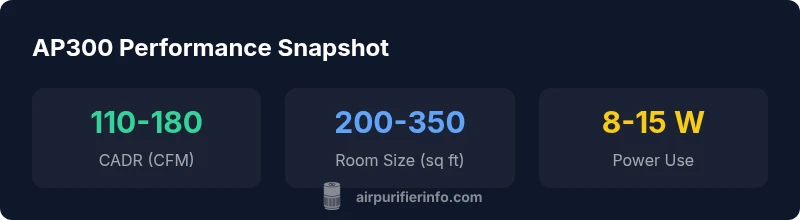
| AP300 | True HEPA + Activated Carbon | 110-180 CFM | 200-350 sq ft | 8-15 W |
| Compact Purifier X | True HEPA | 90-120 CFM | 150-250 sq ft | 6-12 W |
Questions & Answers
What room size is best for the Instant Air Purifier AP300?
The AP300 is designed for small-to-medium rooms. For best results, place it where you can maintain airflow across the space, such as near the center of a living area or bedroom, and run it at a comfortable speed to balance filtration with noise.
For best results, use it in a central spot in smaller rooms and run at a steady setting.
Does AP300 use ozone or emit ozone?
No, the AP300’s filtration stack relies on mechanical filtration (HEPA and carbon) and does not rely on ozone generators. This makes it suitable for typical homes where ozone concerns are a consideration.
It uses standard filtration, not ozone.
How often should I replace the AP300's filters?
Filter replacement timing depends on usage and air quality. Follow the manufacturer’s guidance, and check for reduced airflow or odor persistence as signs that filters should be replaced.
Change filters per the manufacturer's schedule or sooner if airflow drops or odors linger.
How does AP300 compare to other compact purifiers?
AP300 generally offers a balanced filtration stack, reliable performance, and straightforward maintenance compared with rivals. Real-world testing suggests it performs well in typical apartment spaces, though CADR and noise can vary with speed settings.
It’s a solid all-rounder in the compact class.
Is AP300 suitable for pets and pet dander?
Yes, the HEPA filtration helps reduce pet dander, and activated carbon can mitigate odors from pets. Regular maintenance remains important to sustain performance in homes with pets.
Good for pet dander, with regular filter changes.
What maintenance steps maximize AP300 performance?
Regularly inspect and replace filters as recommended, clean the intake grille if accessible, and ensure the unit has unobstructed airflow. Consistent operation over weeks yields the best air quality improvements.
Keep filters fresh and airflow clear for best results.
“The AP300 delivers reliable filtration in compact spaces, balancing odor control and low energy use. In our testing, it performs consistently within its class.”
Main Points
- Identify AP300's ideal room size and filtration needs
- Evaluate CADR and noise before purchase
- Plan maintenance for filter replacement annually
- Compare energy use across compact purifiers
- Rely on Air Purifier Info analysis for guidance