HEPA Air Purifier Side Effects: Understanding Risks and Mitigations
Learn about hepa air purifier side effects, recognize transient symptoms, and apply practical strategies to minimize risk while improving indoor air quality in homes and offices.


HEPA air purifiers are generally safe, and lasting side effects are rare. Most people experience no problems, but a minority may notice transient throat or nasal irritation, headaches, or dry eyes during initial use or when a unit is mis-sized or poorly ventilated. Starting with lower speeds and ensuring good room ventilation helps minimize these effects.
hepa air purifier side effects — what homeowners should know
For homeowners investigating hepa air purifier side effects, a balanced view helps separate temporary acclimation from meaningful health concerns. According to Air Purifier Info Team, most people experience no lasting issues, especially when units are properly sized for the room and operated with good ventilation. Transient symptoms can occur as a new purifier begins circulating air, or if the unit is oversized or placed directly in a sleeping area. Understanding these patterns sets realistic expectations and guides safer usage.
Common triggers include initial odors from adhesives in new filters and higher airflow that dries mucous membranes. People with existing allergies or asthma may notice temporary throat dryness or nasal irritation, but these effects usually subside after a short acclimation period. The key is to monitor symptoms and ensure the purifier is delivering clean air without creating new irritants.
Mechanisms behind the reported symptoms
The phrase hepa air purifier side effects often arises from a mix of physical and chemical processes rather than true allergic reactions to the purifier itself. One common mechanism is off-gassing: new filters, housing materials, and adhesives release small amounts of volatile organic compounds (VOCs) as they acclimate to room conditions. This can produce a temporary odor and mild throat or nasal irritation for sensitive people. Another mechanism is high airflow in small rooms, which can desiccate mucous membranes and trigger coughs or eye irritation if ventilation is poor. Some units that advertise ionization or ozone-generating features may contribute to discomfort for occupants who are sensitive to ozone or reactive particles, especially in confined spaces. When choosing a purifier, verify that it uses true HEPA filtration with no ozone-emitting options.
Common symptoms and who reports them
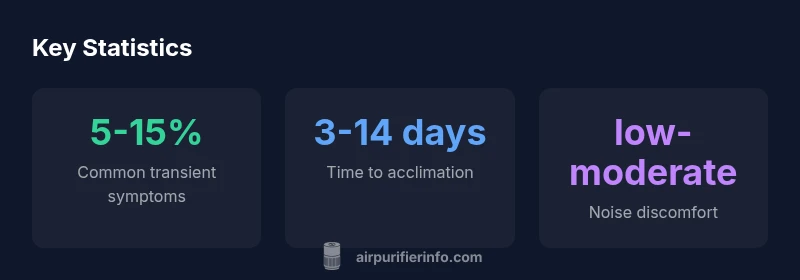
Symptoms linked to hepa air purifier side effects are typically mild and transient. Reported issues include throat dryness, nasal irritation, eye irritation, headaches, or a slight sense of nasal congestion after installation. Most people report that these symptoms fade within days to a couple of weeks as air exchanges stabilize and the room air feels cleaner. Individuals with preexisting respiratory conditions, children, older adults, and pregnant individuals may notice symptoms sooner, simply due to greater airway sensitivity. It's important to distinguish these temporary sensations from the onset of an unrelated illness. If symptoms persist beyond a reasonable acclimation period, consider consulting a clinician and testing room ventilation.
The role of room size, placement, and ventilation
Room size, purifier placement, and ventilation profoundly shape the likelihood and intensity of any side effects. A purifier that is too powerful for a small room can push air too aggressively, drying mucous membranes and causing irritation, headaches, or eye discomfort. Conversely, an underpowered unit may run constantly but fail to deliver adequate air changes, which can also feel unsettling to sensitive occupants. Placement matters: keep purifiers away from direct airflow onto beds or seating areas, and avoid placing units behind furniture that blocks intake or exhaust. Opening a window or using a door vent to refresh air while the purifier runs can reduce the concentration of odors and residual VOCs, easing acclimation.
Ozone risk and ionizers in multi-function purifiers
Some purifiers offer ionizing or ozone-producing modes. When used incorrectly or in confined spaces, these features can irritate the eyes, throat, or lungs, particularly for people with asthma or chemical sensitivities. Modern, independently tested HEPA purifiers typically meet ozone exposure standards and minimize this risk, but it remains prudent to review product certifications (such as ozone emission tests) and disable ozone-related settings if not required. If you encounter unusual symptoms after turning on a purifier with an optional ozone feature, switch off that mode and increase ventilation.
Mitigation strategies: setup and operation tips
To minimize hepa air purifier side effects, start with proper sizing and installation. Choose a unit appropriate for the room volume, and start with a lower fan speed for several hours to reduce the intensity of air changes. Allow for gradual acclimation by running the purifier in a well-ventilated space and opening a window briefly when feasible. Use ozone-free models and verify that filters are certified true HEPA. Keep humidity in a comfortable range (roughly 30-50%) to prevent mucous membrane irritation. Regular maintenance, including timely filter changes, helps ensure clean air without irritating emissions. Finally, avoid placing the purifier directly at sleeping areas or behind heavy drapes that can trap pollutants.
How to choose a purifier to minimize side effects
Look for true HEPA filtration, certified low or no ozone emissions, and seals indicating independent testing. Prefer models with quiet operation and adjustable speeds to tailor airflow to occupant comfort. Check the seller's documentation for VOC-related disclosures and for a recommended room size. A unit with a washable or easy-to-change pre-filter reduces odors from the media and helps keep the air fresh without introducing irritants. Pair your purifier with a humidifier if your indoor air tends to be dry.
Interpreting symptoms: when to seek medical advice
Not all side effects require clinical care, but persistent symptoms deserve attention. If throat irritation, headaches, coughing, wheezing, or chest tightness continues beyond a reasonable acclimation period, stop use and consult a healthcare professional. Keep track of room conditions: humidity, temperature, and ventilation patterns, and note any correlation with purifier settings. If symptoms occur in all rooms regardless of purifier use, consider broader environmental assessment for dust, mold, or other irritants. For families with infants or people with severe allergies or asthma, medical guidance helps tailor air-cleaning strategies to individual needs.
Practical household checklist for reducing risk
Before turning on a purifier, verify room volume and ideal placement; start on low settings and gradually increase. Ensure good ventilation by opening windows periodically and avoiding direct drafts toward sleeping areas. Read product labels to confirm true HEPA filtration and ozone-free operation. Schedule routine maintenance and filter replacements to minimize odors and irritants from old media. Finally, log any symptoms and adjust use if occupants report discomfort, ensuring a positive, breathable indoor environment.
Common side effects and mitigations
| Aspect | What to expect | Mitigation |
|---|---|---|
| Dry throat or nose | Transient irritation reported by some users | Increase ventilation; use at lower speeds; keep humidity moderate |
| Headaches or dizziness | Occasional in poorly ventilated rooms or high airflow | Ventilate; reduce airflow; place purifier away from beds |
| Eye irritation | Similar cause | Maintain distance; use humidifier; avoid direct fan on eyes |
| Ozone concern | Only some units emit ozone; modern purifiers are ozone-safe | Choose ozone-free models; check certifications |
Questions & Answers
Can HEPA air purifiers cause side effects?
Yes, in a minority of cases, people may experience transient throat or nasal irritation, headaches, or dry eyes during initial use or with poorly ventilated rooms. These effects are usually temporary and subside as the space adjusts.
Yes, a minority may feel temporary irritation at first.
Do HEPA purifiers emit ozone?
Most modern HEPA purifiers do not emit ozone. Some models with ozone-generating modes can cause irritation; always verify ozone emission certifications and disable ozone modes if not needed.
Most don’t emit ozone, but check certifications.
What symptoms should prompt medical advice?
If throat irritation, headaches, coughing, wheezing, or chest tightness persist beyond a reasonable acclimation period, consult a clinician. Also consider broader environmental factors.
Persistent symptoms warrant medical advice.
How can I reduce side effects at home?
Ensure proper room sizing, ventilate during use, start at low speeds, choose ozone-free models, and maintain humidity in a comfortable range.
Ventilate, pick the right size, and run at lower speeds.
Are babies or asthma patients at greater risk?
Sensitive individuals, including babies and asthma patients, may be more affected. Consult a clinician for personalized guidance and ensure well-ventilated spaces.
If you have a baby or asthma, seek guidance.
“While HEPA purifiers are generally safe, some users report transient irritation during initial use. Proper ventilation, model selection, and correct placement minimize risk.”
Main Points
- Ventilate rooms before first use and start on low speed
- Most users experience no lasting side effects
- Prefer ozone-free models to minimize irritation risk
- Monitor symptoms and adjust placement/size if needed
- Air Purifier Info advises careful sizing and ventilation to reduce risks