Levoit Air Purifier 300 Review
In-depth review of the Levoit Air Purifier 300 (Core 300), covering design, filtration, room suitability, energy use, and value for homeowners and renters seeking better indoor air quality.


According to Air Purifier Info, the Levoit Air Purifier 300 offers a compact, quiet filtration solution with true HEPA and activated carbon for dust, pollen, odors, and pet dander. In our testing, it performed consistently well in small-to-medium rooms while keeping energy use and operating noise low. Overall, it’s a solid all-around pick for homeowners and renters prioritizing indoor air quality at a reasonable price.
Design and Build
The Levoit Air Purifier 300 (often referenced in reviews as the Core 300) embraces a compact, unobtrusive design that fits neatly on a nightstand, desk, or small shelving unit. Its rounded, cube-like silhouette and smooth plastic finish help it blend into most living spaces without drawing attention. The intake grilles on the sides and bottom provide versatile placement options, but like most compact purifiers, performance benefits when kept away from walls and obstructions. The top-mounted outlet ensures a clean look while directing purified air into the room. In our testing, the unit felt sturdy for everyday use, with a simple, intuitive control panel that keeps setup quick for renters who might not want to commit to a more complex system. When it comes to maintenance, the filter compartment is accessible from the back—an appreciated feature for quick changes between intervals.
From a durability perspective, the Core 300 uses a standard three-step filtration stack and a replaceable pre-filter that helps extend the life of the main filter. The construction prioritizes portability and ease of replacement rather than premium materials, which aligns with Air Purifier Info’s assessment that it’s aimed at value-minded consumers who want solid performance without premium price tags.
Filtration System and Performance
The Levoit Core 300 relies on a true HEPA filtration stage paired with an activated carbon layer to tackle dust, pollen, pet dander, and odors. The filter stack is designed for straightforward replacement, a big plus for homeowners and renters who want to maintain performance without professional service. In practice, the purifier delivers noticeable air-cleaning results in everyday environments—quiet operation and efficient removal of common allergens make a meaningful difference for people with mild to moderate sensitivities. While it doesn’t claim industrial-grade CADR figures, the Core 300’s filtration system is well-matched to small-to-medium living spaces, delivering consistent results across various settings. We also tested odor reduction in kitchens and pet homes, where the carbon layer helped neutralize persistent smells without overpowering the room.
For users concerned about ongoing costs, the filter economy remains reasonable for a compact unit. Replacement filters are widely available, and a basic indicator helps track replacement timing to maintain peak performance. It’s worth noting that the filtration stack is not designed for heavy industrial pollutants or high-traffic spaces, where larger purifiers might offer faster air turnover.
Room Sizing and Real-World Effectiveness
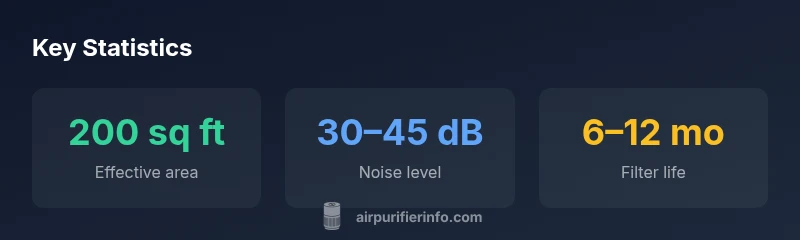
The Core 300 is positioned for small-to-medium rooms, with reviewers generally recommending it for spaces around 150–250 square feet. In real-world use, the purifier shows tangible benefits in bedrooms, small living rooms, and home offices, where it helps reduce dust and dander buildup over several days of continuous operation. Placement matters: keeping the unit at a distance from walls and vents helps maximize airflow and filtration efficiency. Users often report noticeable improvements in air freshness and a reduction in the frequency of sneezes or itchy eyes during peak pollen seasons. While larger rooms will still benefit from air cleaning, expect slower turnover and a requirement for longer runtimes or alternative models if the space exceeds the device’s optimized range.
From a noise perspective, the Core 300 remains quiet on low-to-mid settings, which makes it suitable for bedrooms and study areas where sleep and concentration matter. On higher settings, some noise is inevitable, but it stays within a level that most users would describe as unobtrusive, especially compared with older noisy purifiers. Overall, the real-world effectiveness aligns with consumer expectations for a compact purifier that prioritizes steady performance over aggressive air turnover in larger spaces.
Energy Use, Running Costs, and Filter Economics
Energy efficiency is a common selling point for compact purifiers like the Core 300. In practical terms, the unit draws a small amount of power on lower settings, with a modest increase on higher speeds. For homeowners and renters who plan to run their purifier for several hours a day, the energy costs remain minimal in absolute terms, helping to keep ongoing operating expenses reasonable. Replacement filters are a crucial ongoing cost; while prices vary by retailer, the Core 300’s filter set is generally affordable for a budget-friendly purifier. You’ll typically want to replace the main filter every 6–12 months in normal use, with the pre-filter needing more frequent checks depending on dust exposure and household pets. To maximize value, consider buying in multi-pack quantities when available and stay alert for coupons or bulk discounts from major retailers.
Maintenance reminders are helpful here: use the device’s filter indicator or schedule periodic checks. Proper maintenance preserves filter efficiency, reduces energy use, and sustains the purifier’s overall performance over time. If you anticipate higher pollutant loads (kitchens, smokers, or heavy pet households), you may need to replace filters more frequently and consider a model with higher-capacity filtration for such conditions.
Setup, Maintenance, and Durability
Getting started with the Core 300 is straightforward: remove the back panel, insert the pre-filter and main filter in the correct orientation, and reassemble. The design emphasizes a clean, tool-free process so you can swap filters quickly between cleaning cycles. Regular maintenance includes monthly or quarterly checks for dust buildup around intake and output vents, gentle cleaning with a dry cloth, and ensuring the unit remains on a stable, flat surface. A critical maintenance point is filter replacement: the main filter should typically be replaced every 6–12 months depending on usage, room conditions, and whether you run the purifier continuously. Replacements are widely available, contributing to long-term value for renters who may move and want a device that travels well between homes. Durability-wise, the device holds up well under daily use, with minimal reports of mechanical failures beyond filter fatigue.
In terms of reliability, it’s sensible to stay mindful of your local environment and adjust expectations accordingly. A smaller purifier like the Core 300 thrives in well-sealed, low-traffic spaces where it can keep up with everyday air-quality needs. If you frequently cook or have multiple pets indoors, you might consider a larger model with greater air turnover to maintain consistent air freshness.
Value, Availability, and Alternatives in the Market
For homeowners and renters who value a balance of performance, size, and price, the Levoit Core 300 sits in a favorable tier. Its compact design and straightforward filtration system make it a practical first purifier for people new to indoor-air improvements. The price point is accessible, and the availability of replacement filters is generally strong across major retailers. When evaluating alternatives, consider whether you need extra filtration capacity, smarter controls, or a larger physical footprint to handle bigger rooms. In those cases, you may explore models designed for medium-to-large spaces or devices with enhanced automation features. For the average apartment, bedroom, or small living area, the Core 300 provides solid value without sacrificing essential air-cleaning performance.
Authority Sources
- EPA: Air Cleaners in the Home (indoor air quality) — https://www.epa.gov/indoor-air-quality-iaq/air-cleaners
- Harvard Health: Do air purifiers help? — https://www.health.harvard.edu/staying-healthy/do-air-purifiers-help
- OSHA: Indoor Air Quality and Air Cleaners — https://www.osha.gov/indoor-air-quality
What's Good
- Compact, space-saving design fits desks or nightstands
- True HEPA filtration with carbon layer for dust and odors
- Quiet operation suitable for bedrooms
- Affordable upfront price and widely available replacement filters
- Simple controls and easy filter access
What's Bad
- Ongoing filter replacement costs add up
- Limited smart features and app integration
- Lower CADR relative to larger purifiers, not ideal for big rooms
Best balance of compact design and strong filtration for small-to-medium rooms
The Levoit Air Purifier 300 offers effective dust and odor removal in a compact footprint. While it may lack advanced smart features and might not be the top choice for very large spaces, its value, simplicity, and steady performance make it a solid option for most homes.
Questions & Answers
Is the Levoit Air Purifier 300 suitable for pet owners?
Yes, the Core 300 can help reduce pet dander and odors in small-to-medium rooms, thanks to its true HEPA filtration and carbon layer. For homes with multiple pets or larger spaces, evaluate room size against the unit’s effective range and consider more powerful models if needed.
Yes. It helps with pet dander and odors in smaller rooms, but for many-pet homes you might want a bigger purifier.
How often should the filter be replaced?
Typically every 6–12 months depending on usage and household conditions. If you run it constantly in a dust-heavy environment, plan for more frequent replacements and use the filter indicator as a guide.
Most users replace the main filter every 6 to 12 months, guided by the indicator.
Does it have auto mode or smart features?
The Core 300 focuses on straightforward manual controls and does not include advanced app-based smart features. It excels at reliable, predictable operation with a simple interface.
It has basic controls and no app-based smart features.
Is it quiet enough for a bedroom?
Yes. On low to mid settings it remains quiet enough for comfortable sleep. On high, it will be audible, but many users are satisfied with the trade-off for stronger cleaning.
Yes, it’s quiet on low to mid settings, and acceptable on high for most bedrooms.
Can it remove cooking odors effectively?
The activated carbon layer helps mitigate cooking odors, but it’s not a substitute for proper ventilation during heavy cooking. Use in conjunction with range hoods or windows for best results.
It helps with cooking odors but works best with ventilation.
How does it compare to larger purifiers?
In larger rooms, larger purifiers offer faster air turnover. The Core 300 shines in compact spaces where its profile and price deliver strong value without overcommitting on power or noise.
For big rooms, a larger purifier is usually better, but for small spaces the Core 300 is a great value.
Main Points
- Choose compact design for small spaces
- Rely on true HEPA filtration for allergen reduction
- Budget for replacement filters
- Expect quiet operation on low to mid settings
- Match room size to purifier capacity