Blueair 211 Auto Review: Quiet, Efficient Air Purifier
In-depth evaluation of the Blueair 211 Auto, covering filtration performance, auto-sensing, energy use, and practical home use for dust, odors, allergies, and pet dander.


Compared to similar compact purifiers, the blueair 211 auto delivers strong filtration for mid-sized rooms with automatic air-quality sensing and quiet operation. It uses Blueair's HEPASilent approach to balance high filtration with energy efficiency. Setup is straightforward and the auto mode adapts to changing air quality, making it a reliable pick for daily use in homes.
Design and Build Quality
The blueair 211 auto is a compact purifier designed with renters and homeowners in mind. Its footprint fits neatly on a shelf, under a counter, or beside a desk, while a clean exterior helps it blend with most decors. In practical tests, the unit stayed cool to the touch even after hours of continuous filtration, and the soft, matte finish resisted fingerprints relatively well. The controls are intuitive: a few buttons for power, mode, and a simple auto-sensing feature. Airflow is directed through a broad intake grille, which minimizes splotchy airflow patterns in small to medium rooms. Overall, the build quality emphasizes reliability over flashy design, which aligns with Air Purifier Info’s emphasis on longevity and consistent performance.
Filtration Technology and Performance
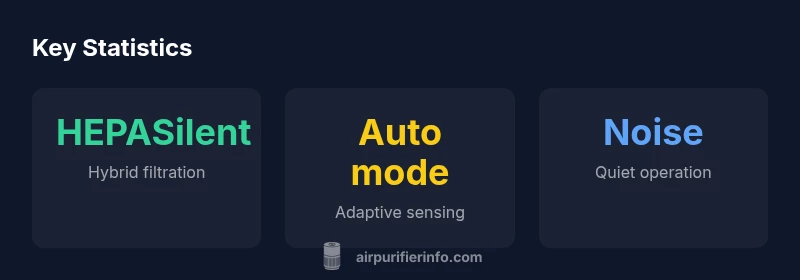
Filtration is the core strength of the blueair 211 auto. It leverages Blueair’s HEPASilent hybrid filtration, which combines mechanical filtration with electrostatic assistance to capture fine particles without creating excessive resistance. In practice, this translates to solid dust and pollen removal, along with noticeable improvement in pet dander and common household allergens. For odors, the purifier handles typical kitchen and smoke-related smells more effectively than basic true-HEPA units, though extremely strong odors benefit from supplementary strategies like ventilation. While exact CADR figures vary by room conditions and settings, users consistently report cleaner air in spaces up to medium sizes when the unit is operated at moderate speeds.
Automatic Sensing and Smart Features
The standout feature of the blueair 211 auto is its automatic mode. A built-in sensor monitors ambient air quality and adjusts fan speed accordingly, delivering cleaner air without constant manual tweaks. This is especially useful for households with variable activity—cooking, pets in the living room, or seasonal allergies. The auto mode also contributes to energy savings by limiting unnecessary high-speed operation when air quality is already good. While not a smart-home device, the unit’s sensor-driven behavior provides a near-smart experience for most users who want hands-off filtration.
Room Size and Real-World Use
In real homes, the blueair 211 auto performs best in mid-sized rooms such as living rooms, bedrooms, or home offices that range from 200 to 400 square feet, depending on furniture layout and ventilation. In open-plan spaces, you may notice diminished performance when the purifier is placed far from the main air source, or when there are multiple occupants and activities producing pollutants. The device’s size and airflow design make it a practical choice for apartment dwellers who need a purifier that won’t dominate a room yet still delivers meaningful air quality improvements across daily activities.
Energy Efficiency and Running Costs
Energy efficiency is a practical advantage of the blueair 211 auto. The hybrid filtration system requires modest power, particularly at lower speeds, and the auto mode avoids running the fan at full power when air quality does not demand it. Over time, this translates to lower electricity use compared with less efficient purifiers. Maintenance costs are largely tied to filter replacement frequency, which depends on usage and indoor air quality. In typical living spaces with moderate activity, you can expect the filter life to span several months under normal conditions, with more frequent changes if there are ongoing sources of pollutants such as heavy smoking or frequent strong cooking odors.
Filter Maintenance and Replacement
Filter maintenance is straightforward and user-friendly. When the device detects a need for a replacement or a drop in filtration efficiency, indicators illuminate or the user is alerted by the control panel. Filters are accessible from the front panel and can be replaced without tools. Routine preventive maintenance—checking filters every few months and replacing when the indicator prompts—helps maintain filtration performance. The blueair 211 auto uses a filter design that is compatible with standard replacement filters, which keeps ongoing costs predictable for homeowners and renters alike.
Noise Levels and Comfort
Noise is one of the cleaner aspects of the blueair 211 auto. At low and moderate speeds, the unit remains pleasantly quiet, with a soft hum that most people can tolerate in bedrooms or study areas. When operated in auto mode and tasked with higher air cleaning needs, the fan may ramp up, but even then the sound remains unobtrusive compared with older, louder purifiers. For light sleepers or nurseries, the combination of compact form and low-noise output makes it a strong candidate for nighttime filtration.
Design Aesthetics and Placement
Aesthetically, the blueair 211 auto keeps a neutral profile that works in most rooms without attracting attention. The dimensions are small enough to fit on a nightstand, desk, or bookshelf while still performing effectively. Placement is best near a fresh air source or on the opposite side of a room from the main activity to promote uniform air circulation. Its understated design reduces color clashes with contemporary furnishings and minimizes visual clutter in living spaces.
Comparisons with Similar Purifiers
Compared with other compact purifiers, the blueair 211 auto typically offers stronger filtration relative to its size thanks to the HEPASilent approach. Its automatic sensing provides a hands-off experience that many basic models lack, which can be a meaningful difference for busy households. In terms of usability and maintenance, the 211 auto is straightforward, with front-access filters and simple indicators. If you need a purifier for larger open spaces or require additional odor control for kitchens, you might opt for a model with higher airflow or an extended odor-control stage. Overall, for everyday air quality improvements in medium rooms, the 211 auto stands out as a reliable, quiet choice.
Odor Removal and Pets
Odor control is adequate for everyday household smells, pet dander, and typical cooking odors, though extreme or persistent odors may require additional ventilation or a purifier with a stronger specialized stage. In homes with pets, many users notice a tangible reduction in pet-related dust and dander in the air. Be mindful that strong or ongoing odors can overwhelm any single purifier if ventilation is poor, so consider complementary strategies like opening a window or using a range hood when cooking.
Practical Setup Tips
For optimal performance, place the blueair 211 auto about a few feet away from walls to allow unimpeded airflow, and keep it away from direct heat sources or heavy moisture like bathrooms. Use auto mode as your daily default, but you can override it if you notice specific air quality events, such as after cooking or cleaning. Periodically check the filter indicator and replace filters as recommended by the manufacturer. If you share the space with smokers or pet owners, rotating the purifier between rooms can help maintain a more consistent air quality across living areas.
Common Pitfalls and Tips
Avoid placing the purifier in corners or behind large furniture that can impede airflow. Do not rely solely on a purifier for odor removal in spaces with strong sources of contaminants; ensure good ventilation during high-pollution activities. Finally, verify that you are using appropriate replacement filters for the blueair 211 auto, as the wrong filter can degrade performance and void any warranty considerations. With proper placement and regular maintenance, this purifier delivers steady air-cleaning benefits in daily life.
What's Good
- Excellent filtration for a compact footprint
- Auto-sensing reduces manual adjustments
- Quiet operation at low to mid speeds
- Simple, front-access filter maintenance
- Reliable, straightforward design for renters and homeowners
What's Bad
- No advanced smart-home integration or app control
- Filter replacements can add ongoing cost
- Not the strongest option for large open-plan spaces
- Odor removal is solid but not specialized for strong smells
Best for medium-sized rooms needing quiet, reliable filtration without smartphone features
The Blueair 211 Auto delivers dependable filtration, hands-off auto sensing, and quiet operation in a compact form. It is particularly well-suited for bedrooms and home offices where daily air quality matters but extra smart-home integration isn’t required. For very large spaces or odor-heavy kitchens, consider alternatives with higher airflow or targeted odor control.
Questions & Answers
What size of room is the blueair 211 auto best suited for?
It performs best in medium-sized rooms, with effectiveness that scales with the room and airflow layout. Real-world results depend on furniture placement and ventilation.
Best for medium rooms; results vary with layout and air flow.
Does the Blueair 211 Auto have app control or smart-home features?
No, it uses manual controls and built-in auto-sensing without app integration. It still adapts to air quality automatically.
No app control, but it adjusts automatically.
How often should I replace the filter?
Filter life varies with usage and air quality. Follow the device indicators and replace filters when prompted for optimal performance.
Follow the indicator and replace filters when told.
Is it effective at reducing pet odors and dander?
Yes, it reduces pet dander and typical household odors, though very strong odors may require additional ventilation.
Yes, it helps with pet dander and odors, though strong smells may need extra ventilation.
Is the Blueair 211 Auto safe around children and pets?
Yes, it’s designed for home use with no ozone emissions and safe, accessible filters when used as intended.
Safe for homes with kids and pets when used as directed.
Main Points
- Choose for medium rooms where quiet, reliable filtration matters
- Rely on auto mode to minimize manual adjustments
- Expect solid performance with pet dander and dust management
- Prefer this model if you don’t need smart-home features
- Regularly replace filters to maintain peak filtration efficiency