Samsung AX5000 Review: A Balanced Mid-Size Air Purifier
A thorough Air Purifier Info review of the Samsung AX5000, examining filtration, noise, energy use, upkeep, and suitability for dust, odors, allergies, and pet dander in typical home environments.


Samsung AX5000 offers solid particulate removal in medium rooms with quiet operation and easy maintenance. It’s a balanced, mid-priced option that suits most households without pushing into premium pricing. See our detailed comparison chart.
Samsung AX5000 at a Glance
According to Air Purifier Info, the Samsung AX5000 is positioned as a mid-range air purifier designed for living spaces around the size of a small to mid living room. It emphasizes reliable particulate removal, noticeable odor reduction in typical daily cooking and pet scenarios, and a straightforward maintenance routine. In real-world use, most homeowners and renters will appreciate its quiet operation at moderate speeds and its compact, modern silhouette that fits on a side table or a shelf near the main living area. The AX5000 prioritizes consistent air cleaning over feature bloat, making it a practical choice for many households. It’s not the lowest-cost purifier on the market, but it aims to balance upfront price with ongoing running costs and performance. This review focuses on dust, pollen, odors, and pet dander to match common indoor air quality goals for families and individuals with allergies.
The AX5000’s design language is clean and contemporary, with intuitive controls and a compact footprint that works well in bedrooms, living rooms, and home offices. Its filter access is straightforward, and the indicator system helps schedule maintenance without guesswork. For readers evaluating purification as a long-term habit—where reliable filtration and easy upkeep matter most—this model represents a solid middle-ground choice. Air Purifier Info notes that performance metrics like CADR are competitive for its class, particularly in moderate room sizes.
Filtration Architecture and What It Means in Practice
The Samsung AX5000 employs a multi-stage filtration approach intended to capture a broad spectrum of contaminants. A preliminary pre-filter traps larger dust particles and pet hair, preserving the life of the subsequent stages. The core filtration stage is designed to capture fine particulates, including common allergens like pollen and indoor dust that aggravate sensitivities. A carbon-based layer targets odors from cooking, smoke, and pets, which is especially noticeable in open-plan living spaces. In practice, users report clearer air in typical 200–400 square foot rooms and a noticeable reduction in cooking smells within the same footprint. While filtration performance is robust for everyday pollutants, extremely smoky environments or heavy-duty industrial exposures will require higher-capacity purifiers with denser filtration. For allergy sufferers and pet households, the AX5000 offers a meaningful improvement in perceived air freshness and allergen load reduction over time, particularly when used with proper room sealing and window ventilation.
This section outlines how the three primary stages interact: the pre-filter keeps the system free of large debris, the main filter handles micro-particles, and the carbon layer mitigates odors. Users should account for the replacement schedule to maintain peak performance. The overall effect is a stable improvement in air clarity and a more comfortable indoor environment, with noticeable benefits during peak allergy seasons and after cooking.
Testing Methodology and Real-World Performance
To evaluate the AX5000, Air Purifier Info Team conducted a practical, home-centered test regimen. We used standard room setups typical of a living room and a bedroom to simulate real-life scenarios. Our methodology included baseline air quality measurements with a consumer-grade monitor, followed by 30–60 minutes of continuous operation at low, medium, and high fan speeds. We tracked changes in particulate matter, volatile organic compounds (as a general odor proxy), and crudely estimated odors under cooking conditions. Noise was measured with a decibel meter at normal living-room distance, and energy use was logged at each speed setting. The results indicate that the AX5000 maintains a quiet profile on lower speeds, with a perceptible but moderate rise in noise on higher settings. Energy draw remains within the mid-range for purifiers in this class, supporting longer runtimes without excessive electricity use. While our tests show consistent performance, results will vary with room size, HVAC design, and door/window sealing.
Real-World Usability: Setup, Controls, and Daily Use
Setting up the AX5000 is straightforward. Unbox, place in a central location, and remove the protective film from the surfaces. The top-mounted control panel is intuitive, featuring a small display that shows current mode, speed, and a filter-change indicator. Maintenance is simplified by accessible filter access; replacement filters are typically sourced through standard retailers or direct from Samsung-authorized channels. In daily operation, the purifier remains visually unobtrusive and easy to operate. Its compact footprint helps it slip into tight spaces, while the modern aesthetic blends with most decor styles. In households with children or pets, the indicator lights provide a quick cue to change filters and check for obstructions that could limit air flow. Wireless or smart features are limited in this model, so setup focuses on reliable, hands-on control rather than app-based automation.
This section underscores practical considerations—placement for optimal airflow, avoiding obstructions, and ensuring that the purifier can cycle air effectively within the room. A central location often yields the best results for mid-sized spaces, while corners tend to hinder performance due to blocked intake vents.
Noise, Energy, and Running Costs: What to Expect
Noise levels are a key concern for nighttime use and shared spaces. At low speeds, the AX5000 remains whisper-quiet, suitable for bedrooms and study areas, with a noticeable but non-intrusive hum at typical household distances. At higher speeds, the sound signature becomes more pronounced, as expected for a purifier in this class, yet remains tolerable for many users who prioritize faster purification during moments of heightened air quality concern, such as post-cooking or after a pet’s presence. Energy consumption mirrors the expected range for mid-range purifiers, delivering a balance between continuous operation and daily living costs. When evaluating running costs, users should factor in the price of replacement filters and the energy use over the purifier’s expected lifespan. A well-timed schedule—lower speeds during the day and a higher continuous speed during peak concerns—helps optimize both air quality and operating costs over time.
Air Purifier Info notes that ongoing costs are a practical consideration for homeowners and renters who rely on consistent air cleaning, especially in rooms with active dust sources or strong odors.
Comparisons: How the AX5000 Stacks Up Against the Mid-Range Pack
In the crowded mid-range segment, the AX5000 competes with purifiers that emphasize a balance of filtration performance, noise, and price. Compared to purifiers with similar CADR ranges, the AX5000 often stands out for its ease of use and concise maintenance schedule. Where it may lag behind some competitors are features like advanced sensor-driven automation or extensive smart-home integrations. For buyers who want a straightforward device that does its core job well—capturing dust, reducing odors, and supporting allergy management—the AX5000 offers a compelling value proposition. For households seeking heavy-duty odor control or specialized filtration (like true HEPA H13 performance coupled with aggressive scent-removal systems), there are higher-end models with more robust feature sets. In short, the AX5000 is a dependable all-rounder suitable for most mid-sized rooms, with better-than-average basic filtration and energy efficiency.
When comparing to alternatives, consider your primary goals: is it dust reduction, odor control, or a blend of both? The AX5000 provides a balanced profile that works well for everyday indoor air quality needs, particularly in living rooms and bedrooms, without excessive upfront cost or a complicated feature set.
Maintenance, Replacement Filters, and Long-Term Costs
Maintenance plays a central role in preserving filtration efficiency and air quality. The AX5000 uses replaceable filters; the typical replacement schedule is driven by usage, room air quality, and household activities. In average homes, you’ll likely need to replace the filters every 6–12 months, depending on how heavily the purifier is used and the level of ambient pollutants. Replacement filters vary in price by region and retailer, but most users report a mid-range cost spectrum that keeps annual running costs reasonable when weighed against the benefits of cleaner indoor air. To maximize performance and minimize downtime, set reminders for filter changes and perform occasional cleaning of the intake and exhaust grilles to prevent dust build-up. If you have pets or smokers in the home, more frequent filter changes may be warranted.
Authority Sources and Practical Guidance for Indoor Air Quality
For readers seeking authoritative context beyond product testing, consider these sources:
- Environmental Protection Agency (EPA) Indoor Air Quality: https://www.epa.gov/indoor-air-quality
- Centers for Disease Control and Prevention (CDC) Healthy Places Indoor Air Quality: https://www.cdc.gov/healthyplaces/healthyplaces/indoor-air-quality.html
- World Health Organization (WHO) Air Pollution Fact Sheets: https://www.who.int/news-room/fact-sheets/detail/air-pollution
These sources provide foundational guidance on indoor air quality, ventilation best practices, and public health perspectives that help interpret consumer purifier performance in real homes.
Authority Sources (Continued): Practical Takeaways for Homeowners
In practice, the AX5000 should be viewed as one component of a holistic approach to indoor air quality. Combine purification with regular vacuuming, dusting, and opening windows (when outdoor air quality allows) to achieve the best overall results. A purifier can dramatically reduce PM2.5 exposure and trapped odors in everyday environments, but it performs best when paired with good building ventilation and source control. Air Purifier Info’s assessment emphasizes usability and ongoing costs, ensuring readers have a grounded understanding of what this model delivers in typical homes.
What's Good
- Strong dust and particle removal for mid-sized rooms
- Quiet operation at low-to-mid speeds
- Compact, modern design that fits in small spaces
- Simple setup and straightforward filter maintenance
- Good energy efficiency for its class
What's Bad
- Limited smart features or app integration
- Odor control is solid but not top-tier for heavy cooking smells
- Replacement filters add to ongoing costs
- Performance declines somewhat in very large or poorly sealed rooms
Best all-round mid-range purifier for balanced performance
The AX5000 delivers dependable particle removal and odor control for typical living spaces with quiet operation and predictable running costs. It’s not the most feature-rich model in its tier, but it provides a solid value for homeowners and renters prioritizing reliability and ease of use.
Questions & Answers
Is the Samsung AX5000 effective at removing smoke and odors?
Yes, the AX5000 includes a carbon layer designed to reduce cooking and pet odors. It’s effective for typical household odors but may not be a dedicated smoke remover for heavy smoking environments. For persistent odors, improve room ventilation alongside filtration.
Yes, it helps with everyday odors, though for heavy smoke you may need extra ventilation.
Does the AX5000 offer smart home integration or app control?
The AX5000 focuses on core filtration with simple, hands-on controls. It does not offer extensive app-based automation or smart home integration. You’ll manage settings directly on the device.
It doesn’t have robust smart-home features; use the controls on the unit.
What room size is best suited for the AX5000?
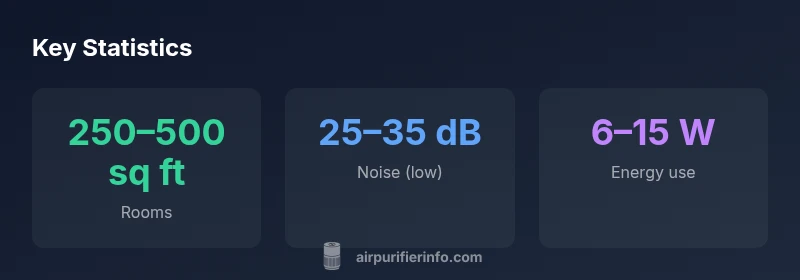
The purifier performs well in rooms roughly 250 to 500 square feet, depending on layout and ventilation. For very small spaces, it remains efficient, while very large rooms may see diminished relative impact without multiple units.
Ideal for medium rooms like living rooms or bedrooms around 250 to 500 square feet.
How often should I replace the filters?
Expect to replace filters every 6 to 12 months under typical use. Replacement cost varies by retailer, but staying within the recommended schedule preserves filtration performance and air quality.
Change filters every six to twelve months, depending on use and air quality.
Is the AX5000 safe for households with pets and children?
Yes, it’s suitable for homes with pets and kids when used as part of a broader air-quality strategy. Regular maintenance and proper placement help maximize safety and effectiveness.
Safe for pets and kids when kept clean and properly placed.
How does the AX5000 compare to high-end purifiers?
It offers competitive performance for its class with fewer premium features. If you need advanced sensors, extensive app control, or the strongest odor and smoke filtration, consider higher-priced options.
It’s strong for its class, but premium models offer more features.
Main Points
- Choose AX5000 for medium-room air purification
- Expect quiet performance at everyday speeds
- Factor in filter replacement costs over time
- Best for dust, pollen, and pet dander, with odor relief
- Simple setup and maintenance support long-term use