EdenPure ThunderStorm Air Purifier Review
In-depth review of the EdenPure ThunderStorm air purifier. We evaluate odor control, particle removal, safety, maintenance costs, and who should buy, with practical guidance for homeowners and renters seeking better indoor air quality.


edenpure thunderstorm air purifier is marketed as a compact solution for odor and particle control in small-to-mid rooms. According to Air Purifier Info, its performance depends on room size and proper maintenance; real-world results vary, and long-term costs should be weighed against benefits.
EdenPure ThunderStorm: Positioning and Brand Context
EdenPure ThunderStorm has carved out a niche in the budget-conscious segment of the air-purifier market. The device is marketed as a plug-in purifier designed to freshen spaces quickly and reduce common indoor odors, with a focus on small-to-medium rooms. In the broader purifier landscape, it competes with compact HEPA models and carbon-first purifiers that emphasize odor control. According to Air Purifier Info, the ThunderStorm's selling points include its compact footprint, straightforward operation, and a claimed ozone-free design. For homeowners and renters, this combination can be appealing because it promises quick setup without professional installation or special electrical requirements. However, our review also notes that marketing language sometimes glosses over real-world limits, such as performance in larger spaces or the ongoing cost of replacement filters. We therefore approach EdenPure ThunderStorm with a careful eye toward total cost of ownership and practical use cases, rather than marketing claims alone.
How It Works: Filtration Stages and Claims
The EdenPure ThunderStorm is described by manufacturers as employing a layered filtration approach aimed at both odors and particles. The product presentation typically highlights an activated carbon stage for odor absorption and a particulate filtration layer intended to trap dust and larger particles. Independent testing and third-party verification are not consistently available, so readers should treat the filtration claims with a critical eye. In practice, the unit is designed to be simple to operate, with a basic on/off control and few settings. For most buyers, the key questions are whether the unit can deliver noticeable odor relief in the intended space and how often the filters need replacement. As with many budget purifiers, the balance between performance and ongoing costs is central to a good ownership experience.
Real-World Performance: CADR, Noise, and Usability
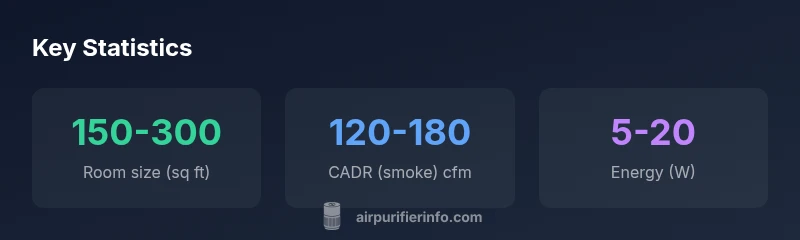
In real-world scenarios, the EdenPure ThunderStorm often demonstrates noticeable improvements in small rooms, particularly for cooking smells and light tobacco or pet odors. Air changes per hour (ACH) and CADR figures vary widely depending on room layout and air flow, and the device may underperform in open-plan spaces. Noise levels at typical operation hover in a manageable range for nighttime or living areas, though higher fan speeds can become audible. Usability remains a strength: plug-and-play setup, straightforward maintenance, and a compact footprint make it appealing for renters or anyone with limited space. Our analysis, based on Air Purifier Info data and broader market benchmarks, suggests that the ThunderStorm can be a practical supplementary purifier for rooms under about 200-300 square feet, but it is not likely to replace a larger, higher-CADR purifier in bigger spaces.
Odor Removal and Particle Control in Practice
Odor control is where the ThunderStorm tends to shine within its target segment. In kitchens and pet-prone living areas, the unit can reduce persistent smells with regular operation. For fine particle removal, the purifier helps reduce visible dust and some allergens in smaller rooms, but it is not a substitute for a true HEPA purifier in heavy allergen environments. The compact design means air intake is somewhat limited, so placement plays a critical role: keep it away from walls and ensure unobstructed airflow from the intake and exhaust. If your primary goal is strong smoke or VOC removal over large volumes, consider pairing this unit with a larger purifier or opting for a dedicated HEPA model with higher CADR. The takeaway is to set realistic expectations: noticeable improvement in odor and light dust is common in the recommended room sizes, with diminishing returns as room size grows.
Maintenance, Filters, and Running Costs
A core factor in total cost of ownership is filter replacement. The ThunderStorm uses replaceable carbon and particle filtration components, and ongoing costs can accumulate over time with regular use. The manufacturer’s guidance typically advises replacing filters on a schedule that aligns with usage patterns, but real-world replacement intervals vary. Buyers should budget for replacement costs and weigh them against the upfront price. For renters or households seeking low up-front investment, the EdenPure ThunderStorm offers a compelling entry point, provided you factor in the expected filter lifecycle. Note that some users report needing to replace multiple components if odors are particularly persistent—for instance, in homes with strong cooking odors or pet activity—so plan accordingly.
Safety Considerations and Certifications
Safety is a critical topic with any air-purifier purchase, particularly around claims of ozone-free operation. Some models in this class have sparked questions about ozone generation and other emissions; independent reviews sometimes flag such concerns. When evaluating the ThunderStorm, scrutinize third-party certifications, product documentation, and any independent lab tests related to ozone output. If ozone sensitivity or respiratory considerations are a factor, you may want to prioritize models that are explicitly certified for low or zero ozone emissions. As a rule, consult the product manual, check for any safety warnings, and verify that you’re buying a unit that aligns with your health priorities and local regulations.
Comparisons to Similar Purifiers
Compared with compact HEPA purifiers, the ThunderStorm generally offers a lower upfront cost and a simpler design, with a stronger emphasis on odor control. However, it typically provides less robust particulate filtration for small particles and may not meet the needs of households with high asthma or allergy concerns. In the spectrum of purifiers, it sits closer to carbon-first or hybrid units rather than true HEPA-only devices. If your room is larger or you require higher CADR and more consistent performance across a range of pollutants, you’ll likely prefer a more capable purifier with a specified clean air delivery rate. For many homeowners, the ThunderStorm provides a viable secondary purifier to handle everyday odor and light dust, while a larger purifier handles the bulk of the air cleaning.
Buying Guide: Who Should Buy and Where It Shines
This device is well-suited for small-to-medium rooms—such as bedrooms, home offices, and compact living spaces—where odor control is a priority and a simple, low-maintenance solution is desired. If your main concern is heavy smoke, wildfire particulates, or allergen-heavy environments, consider a model with documented CADR ratings and a true HEPA filter. Price-conscious buyers who want a plug-in option may find appeal here, provided they’re comfortable with ongoing filter costs. For renters who cannot modify their space or install vented systems, the ThunderStorm offers an easy, portable approach to improving air quality without complex setup. As always, map your room size, typical activities, and air quality goals before buying.
Common Pitfalls and How to Detect Red Flags
A common pitfall is assuming the unit will perform identically across all rooms. Real-world performance is highly context-dependent, and the ThunderStorm may underperform in larger open-plan spaces. Another red flag is vague or unverified safety claims; always look for third-party tests or explicit ozone-free certification. Finally, avoid relying solely on marketing boasts about “true HEPA-level purification” unless the model has a documented HEPA filter or validated CADR data. Use a realistic test approach: benchmark odor clearance and dust reduction in your primary living spaces over a few weeks, and adjust placement and usage accordingly.
What's Good
- Compact size for small rooms
- Budget-friendly upfront entry point
- Simple plug-in operation
- Good odor control in the intended space
What's Bad
- Variable real-world CADR depending on room
- Ongoing filter replacement costs
- Safety claims require careful verification
- Limited effectiveness in large rooms or open layouts
Moderate value for small spaces; best for odor control with careful budgeting.
The EdenPure ThunderStorm can improve odor and light dust in compact rooms at a reasonable upfront price. Buyers should factor ongoing filter costs and set realistic expectations about performance in larger spaces. For many homes, it’s a sensible secondary purifier rather than a primary solution.
Questions & Answers
What is the EdenPure ThunderStorm best used for?
Ideal for small rooms where odors are a primary concern. It provides quick odor relief and light particle reduction, but not a substitute for high-CADR HEPA purifiers in large or very dusty spaces.
Best used in small rooms where odors are persistent; consider pairing with a larger purifier for bigger spaces.
Does it emit ozone?
Manufacturers claim ozone-free operation, but buyers should verify with official documentation and independent tests. If ozone sensitivity is a factor, prioritize models with explicit, third-party ozone certifications.
Check ozone certifications and avoid models with unclear safety claims.
What room size is too large for it?
In open layouts or rooms larger than about 300 square feet, the ThunderStorm may provide diminishing returns. For larger areas, consider a higher-CADR purifier with a true HEPA system.
It’s best for rooms under 300 square feet; larger spaces may need stronger purifiers.
How often should the filters be changed?
Replacement frequency depends on usage and odor load. The manufacturer recommends periodic replacement; in practice, plan for regular changes to maintain odor control and particle reduction.
Change filters as recommended based on usage; expect more frequent changes with strong odors.
How does it compare with HEPA purifiers?
HEPA purifiers typically offer higher CADR for particles and may better serve allergy-prone households. The ThunderStorm excels in quick odor relief at a lower upfront price but generally won’t match high-end HEPA units for overall filtration.
HEPA purifiers usually clean particles more aggressively; EdenPure is good for odors and small rooms.
Is it suitable for pet owners?
Pet owners may notice odor and dander reduction in smaller spaces, but persistent pet dander in large living areas might require a larger purifier with stronger filtration.
Good for small spaces with pets; larger areas may need more capable purifiers.
Main Points
- Assess room size before buying
- Factor ongoing filter costs into the total ownership
- Verify safety and ozone-free claims with independent tests
- Compare with HEPA-based purifiers for high-allergen needs
- Place the unit for optimal airflow in smaller rooms