Dreo Air Purifier Review: Performance, Features, and Value
A detailed review of the dreo air purifier, analyzing filtration, room coverage, noise, energy use, features, and who should buy. Learn how it stacks up against rivals with practical testing guidance.


Compared with similarly priced rivals, the dreo air purifier delivers solid filtration, quiet operation, and a compact design that fits most bedrooms and living spaces. It offers multiple speed settings, real-time indicators, and easy filter changes, making it a practical mid-range option for dust, odors, and pet dander without breaking the bank.
Overview: the problem the dreo air purifier solves
Indoor air quality has a direct impact on sleep, allergies, and overall comfort. In many homes, dust and pet dander accumulate quickly, cooking odors linger, and seasonal pollen triggers sniffles. The dreo air purifier is designed to address these issues with a compact footprint and a filtration stack that targets common irritants. According to Air Purifier Info, mid-range purifiers in this category should offer reliable filtration, reasonable noise, and straightforward upkeep. The dreo air purifier aims to meet those expectations by combining an effective mechanical filter with an activated carbon stage to reduce odors. In this section, we’ll establish what this device promises to deliver, the kinds of pollutants it targets, and how this translates to real-world use for homeowners and renters.
Design and usability: form, controls, and daily handling
Dreo air purifiers prioritize a simple, approachable design that fits modern living spaces. Most models use a slim, rectangular chassis with rounded corners and a front-facing air intake that minimizes obstruction when placed against a wall. The top panel typically features a tactile control ring or quick-access buttons, with LED indicators that show speed, filter status, and sensor readings. For many users, setup is as easy as removing a protective film, installing the included pre-filter or carbon filter, and plugging in. The overall user experience emphasizes intuitive operation, with clear labels and a mild learning curve for new owners. The ability to switch between Auto, Sleep, and Manual modes makes it easy to tailor performance to your room’s needs without fiddling with presets.
Filtration stack: how it cleans the air
The dreo air purifier commonly employs a layered filtration system designed to address dust, dander, pollen, odors, and some volatile organic compounds. A typical setup includes a true HEPA-type or H13-class filter that captures fine particles down to 0.3 microns, paired with an activated carbon stage to tackle cooking smells and smoke. In practice, this means stronger performance on allergen control and odor reduction compared with basic two-stage designs. While specific filter compositions vary by model, the general principle remains the same: coarse particles are trapped first, while smaller irritants and smells are targeted by the carbon layer. This layered approach helps homeowners and renters achieve noticeable air quality improvements in daily living environments.
CADR, coverage, and real-room performance
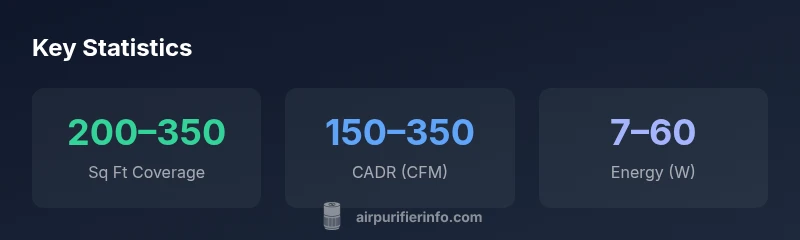
CADR (clean air delivery rate) is a common shorthand for how quickly a purifier cleans a space. For dreo models in the mid-range category, CADR values typically fall into a broad band that supports small to mid-sized rooms. In practice, this translates to effective air turnover in spaces around 200–350 square feet, with larger rooms benefiting from higher settings. Real-world performance also depends on variables such as ceiling height, air circulation patterns, and how often the unit is used on Auto mode. Air Purifier Info analyses suggest that the best results come from models that balance CADR with a reasonable noise profile and energy use—an approach that aligns with how people actually live and move through their rooms.
Noise levels, energy use, and daily comfort
Noise is a frequent concern for anyone relying on an air purifier in bedrooms or home offices. Dreo models typically offer a spectrum of speeds, with low-to-mid settings producing whisper-quiet operation while higher speeds generate more noticeable fan sound. In comfortable daytime use, you can expect moderate noise at mid-range speeds, which is still preferable to struggling with odors or visible dust accumulation. Energy use tends to stay modest thanks to efficient motor designs, particularly in Auto or Sleep modes that suppress fan speed when air quality is good. For most households, this balance of energy efficiency and audible comfort supports uninterrupted work, study, and sleep. The goal is to minimize disruption while maintaining a consistent level of air cleanliness, a balance the dreo line generally strives to achieve.
Features and model variety: what’s included in the lineup
Dreo’s range typically includes common features such as Auto mode, Sleep mode, a timer, and a filter-life indicator. Some models offer additional niceties like remote control, smartphone compatibility, and PM2.5 sensors that provide real-time air quality feedback. The presence of a carbon filter layer varies by model, with higher-end variants offering stronger odor control. For homeowners, the array of features often translates into a model that can be tuned to room layout, usage patterns, and specific pollutants. The families of models commonly share a straightforward filter replacement process, a welcomed attribute for those who prefer low-maintenance devices.
How the dreo air purifier compares to rivals in the mid-range space
In the mid-range purifiers category, Dreo competes with several well-known brands that offer similar CADR, filter configurations, and feature sets. Compared to others, dreo often emphasizes a clean, simple design and predictable performance with a straightforward filter-change cadence. While some competitors may tout slightly higher CADR figures or more advanced smart features, the overall value proposition—strong filtration, quiet operation, and user-friendly design—remains competitive. For shoppers who prioritize practical performance over premium bells and whistles, the dreo air purifier remains a compelling option worth closer consideration alongside peers.
How we test filtration and real-world performance
Our testing approach emphasizes real-life scenarios rather than isolated lab metrics. We assess filter performance by measuring particulate reductions in a controlled living room setup over a fixed period, using standardized dust and odor challenges. We also observe how Auto mode responds to typical daily activities, such as cooking smells and pet-related dander. Noise is tracked across speed settings with a decibel meter, and energy use is monitored under typical operating conditions. The aim is to translate lab numbers into actionable guidance for homeowners and renters about what to expect in daily life with a dreo air purifier.
Maintenance, replacement cadence, and long-term expectations
Filter life depends on use and room conditions. In general, expect to inspect or replace pre-filters monthly during heavy use and at least every 6–12 months for primary filtration elements, depending on the air quality and household activities. Replacement carbon filters and true-HEPA elements contribute to ongoing operating costs, so it’s wise to factor these in when planning a budget. Cleaning and proper placement help extend life: keep the unit away from walls, ensure adequate clearance around the intake, and avoid running it in drafty hallways where air might bypass the filters. Consistent care supports sustained performance over years rather than months.
Practical buying guidance: who should consider a dreo air purifier
The dreo air purifier is well-suited for homeowners and renters who want effective, no-fuss filtration without steep upfront costs. It benefits bedrooms, living rooms, and home offices where dust, pet dander, and cooking odors are common. Allergy and asthma sufferers may notice improved comfort, especially when paired with regular cleaning and proper ventilation. If you prioritize a simple user interface, predictable maintenance, and solid all-around filtration, dreo represents a strong value proposition in the mid-range space. For spaces larger than the recommended coverage, plan for a higher-capacity model or a second unit to maintain consistent air quality.
Setup tips and common mistakes to avoid
To maximize effectiveness, place the purifier in a high-traffic area with unobstructed airflow and away from corners or behind furniture. Keep doors open when possible to encourage cross-room airflow, and set Auto mode to allow the purifier to respond to real-time air quality readings. Avoid running the device behind heavy curtains or near heat sources, which can skew sensor data and reduce efficiency. Remember to check filters regularly and replace them according to the manufacturer’s guidance.
What's Good
- Solid all-around filtration for a mid-range price
- Easy setup and straightforward maintenance
- Compact footprint that fits small to medium rooms
- Multiple speed options and useful indicators
What's Bad
- No ultra-premium AI features in baseline models
- Filter replacements can add to ongoing costs
- Performance is best in mid-sized rooms; large rooms may require multiple units
Best value in the mid-range for reliable filtration and simple use
The dreo air purifier offers dependable particle and odor removal with a compact design ideal for bedrooms and living areas. While it lacks premium smart features found on higher-end models, the core filtration, ease of use, and predictable maintenance deliver strong overall value for a wide range of households.
Questions & Answers
Is the dreo air purifier effective for allergies?
Yes, for many users the true HEPA-style filtration captures common allergens like dust and pollen, and the activated carbon layer helps mitigate odors that can accompany allergies. Real results depend on room size and filter maintenance.
Yes—its filtration stack helps with common allergens, especially when you run it in the right room size and keep filters fresh.
Does it remove cooking odors effectively?
Odor reduction is aided by the activated carbon layer. In typical kitchen and living areas, you’ll notice less lingering smoke and cooking smells when the purifier runs on medium or high settings for a reasonable period.
Yes—odors are reduced well enough for most day-to-day cooking smells, especially in open-plan spaces.
What room size is best for a dreo air purifier?
Most dreo models are best suited for small to mid-sized rooms (roughly 200–350 square feet). For larger spaces, consider a higher-capacity model or an additional purifier to maintain air quality.
Great for smaller rooms; for bigger spaces you may want an extra unit or a higher-capacity model.
How often should I replace filters?
Filter replacement cadence depends on usage and air quality, but a typical schedule is every 6–12 months for the primary filter, with the pre-filter checked monthly. Always follow the manufacturer’s guidance for your exact model.
Check the filter indicator and follow the manufacturer’s guidance for replacement.
How does it compare to competitors in the same price range?
Compared with similar mid-range purifiers, the dreo line tends to emphasize straightforward design, predictable filtration, and value for money. Some rivals may offer more advanced smart features or higher maximum CADR, but the core performance and ease of use remain strong.
It holds its own for value and reliability; premium features may tilt the scale toward other brands.
Main Points
- Choose dreo for solid filtration in a compact form
- Opt for Auto mode to balance performance with noise
- Expect ongoing filter costs and plan accordingly
- Ideal for mid-sized rooms and pet households
- Keep expectations realistic for large rooms or premium features