Air Purifier Allergic Rhinitis: A Practical Guide
Learn how to choose, place, and maintain an air purifier to ease allergic rhinitis at home. Expert guidance from Air Purifier Info helps homeowners and renters reduce allergens effectively.


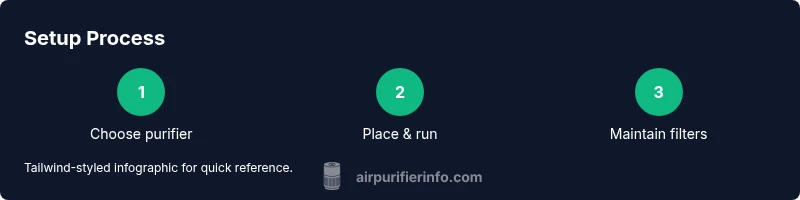
This guide shows how to select a purifier with true HEPA filtration and activated carbon, place it for optimal allergen removal, and maintain filters to support allergic rhinitis relief. You’ll get simple, actionable steps you can start today in any home.
Understanding allergic rhinitis and air purifiers
Allergic rhinitis is triggered by airborne allergens such as pollen, dust mite debris, pet dander, and certain VOCs. An air purifier with a true HEPA filter can capture most common particulates that irritate nasal passages and trigger sneezing, congestion, and itchy eyes. For many homeowners and renters, the right purifier also helps reduce odors associated with pets or cooking, which can compound discomfort during allergy season. According to Air Purifier Info, selecting a purifier that combines a true HEPA filter with a high-quality activated carbon stage can address both particles and odors. When used consistently, a purifier becomes part of a broader indoor air quality strategy rather than a miracle cure.
In practice, allergic rhinitis mitigation is about reducing exposure and maintaining clean air. While purifiers don’t remove every irritant, they can meaningfully lower daily allergen load in treated rooms. Residents often notice relief in sleeping spaces first, followed by living areas as effectiveness compounds with routine use. This approach aligns with Air Purifier Info’s ongoing analysis, which emphasizes matching device capability to room size and typical pollutant sources for best results.
How air purifiers help with allergic rhinitis
Air purifiers work by drawing in room air, filtering out particles as small as 0.3 microns with true HEPA media, and passing clean air back into the room. For allergic rhinitis, the most relevant pollutants include pollen, dust mite debris, animal dander, and VOCs. An activated carbon layer helps adsorb odors and some gas-phase irritants that can worsen nasal symptoms. Putting these features together, a well-chosen purifier can reduce symptom triggers in the spaces where you spend the most time—bedroom, living room, and home office. Air Purifier Info’s analysis highlights the value of pairing particulate capture with odor control to address both itchiness and congestion. In real homes, users often report fewer nighttime awakenings and improved comfort during allergy season when a purifier is used alongside regular cleaning and seasonal ventilation practices.
To maximize impact, set realistic expectations: a purifier lowers exposure risk, it does not cure allergic rhinitis, and effectiveness depends on factors like room size, filtration maintenance, and how often doors and windows are opened. Regular monitoring of air quality indicators—whether via a dedicated monitor or perception of air feel—helps validate improvements over time.
Choosing the right purifier: features to prioritize
Key features for allergic rhinitis include a true HEPA filter, a robust activated carbon or zeolite stage, and a QB or CADR rating appropriate for the room size. The purifier should be sized for the space you intend to treat (e.g., 150–350 square feet for a bedroom) and produce minimal noise at the intended operation level. Look for a model with easy-to-replace filters and clear indicators for when to change them. Energy efficiency matters for long-term use, especially in bedrooms where you might run the unit all night. While ozone generators and ionizers can be marketed as “advanced” features, many health guidelines recommend avoiding devices that emit ozone or produce high amounts of ionization in occupied spaces. Air Purifier Info recommends focusing on true HEPA plus activated carbon for a balanced approach to particulate and odor control, particularly for allergic rhinitis related to pollen and pet dander. When evaluating products, compare CADR values for smoke, dust, and pollen to gauge effectiveness in your living room or bedroom. Importantly, always verify that the device is tested and certified to meet recognized standards.
If you are comparing models, consider your microclimate: homes with high humidity may benefit from models with moisture-resisting components and easy-to-clean housings. Also factor in replacement filter costs over time, as ongoing maintenance directly affects total ownership cost and long-term allergy relief.
Placement and usage for max benefit
Placement matters. Position the purifier so it cycles air from the main living area or bedroom without being blocked by furniture. Placing it on a stable surface at or slightly above breathing level improves distribution, especially in bedrooms where you spend many hours. For pollen seasons, run the purifier at a higher speed during daytime and a lower, quiet setting at night if acceptable for sleep quality. Avoid corner placements where air can stagnate, and ensure a clear intake and outlet path for optimal airflow. If you share a living space, consider a purifier in each high-use zone, especially the bedroom where you sleep. Air Purifier Info notes that consistent usage paired with seasonal cleaning and proper door/window management can noticeably lessen daily symptoms.
In households with multiple occupants, align purifier use with activity patterns—kitchens and pet areas also contribute odors and particulates. Use zoning if possible to tailor air cleaning to areas with the greatest allergen load. Keep windows screened during high pollen days to reduce outdoor infiltration while still benefiting from indoor air cleanup.
Maintenance, filters, and cost of ownership
Regular maintenance is essential for sustained relief from allergic rhinitis. Replace true HEPA filters according to the manufacturer’s schedule, and refresh activated carbon stages when odor control wanes or after prolonged use in smoky or cooking-heavy environments. Clean the pre-filter often, as it captures larger particles that can clog the main filter and reduce efficiency. When selecting a purifier, factor in the total cost of ownership: purchase price, replacement filter cost, and expected filter lifespan. Air Purifier Info recommends setting reminders or using a timer to monitor filter replacement intervals. Keep the unit dry and away from damp areas to avoid mold growth inside the housing. If you notice a persistent musty odor despite fresh filters, re-evaluate placement, room size compatibility, and potential sources of indoor pollutants. Consistent maintenance supports long-term relief from allergic rhinitis symptoms by maintaining effective filtration performance across seasons.
What to expect: timeline, measurements, and limitations
Most users notice a tangible difference in air freshness within days of consistent purifier use, with more significant improvements over a couple of weeks, especially in bedrooms where allergen exposure is highest. To gauge progress, track symptom changes alongside any simple air quality indicators from a consumer monitor. Remember that an air purifier reduces exposure, but it does not eliminate all irritants; daily cleaning, pet management, and weather-related pollen patterns still influence symptoms. Real-world results vary by household factors, including room size, HVAC behavior, and outdoor air quality. The goal is to create cleaner air and a more comfortable living environment for those with allergic rhinitis, not to replace medical advice or prescribed therapies.
Authority sources
For further reading and validation, consider these trusted references:
- EPA Indoor Air Quality: https://www.epa.gov/indoor-air-quality
- NIEHS Indoor Air Quality Overview: https://www.niehs.nih.gov/health/topics/agents/air-pollution/index.cfm
- WHO: Ambient Air Quality and Health: https://www.who.int/news-room/fact-sheets/detail/ambient-(outdoor)-air-quality-and-health
Tools & Materials
- Air purifier with true HEPA filter(Choose a model sized for your room (e.g., 150–350 sq ft for a bedroom); verify CADR for smoke, dust, and pollen.)
- Activated carbon filter or deodorizing stage(Important for odor control in kitchens or pet areas.)
- Replacement filters (HEPA and carbon)(Check compatibility with your purifier model.)
- Measuring tape or ruler(To verify clearance around intake/outlet (at least 6–12 inches).)
- Mild cleaning cloth(Use for quick wipe-downs of the housing and pre-filter.)
- Timer or smartphone reminder(Set filter replacement reminders; optional but helpful for maintenance cadence.)
Steps
Estimated time: Total time: 45-60 minutes for initial setup; ongoing maintenance 5-10 minutes per week
- 1
Assess room size and purifier needs
Measure the room and confirm the purifier is rated for that square footage. Check CADR ratings for dust, pollen, and smoke to ensure adequate cleanup speed. Ensure the purifier will fit the space without blocking vents or doors.
Tip: If you have multiple rooms with high allergen exposure, plan for at least one purifier per living zone. - 2
Choose the right purifier features
Prioritize true HEPA filtration and an activated carbon stage. Verify filter availability and replacement cost, and avoid ozone-generating devices. Consider noise levels for bedrooms and work areas to minimize sleep disruption.
Tip: False ‘filters’ and ‘carpet purifiers’ can be less effective; stick to models with proven HEPA and carbon components. - 3
Set up purifier placement
Place the unit in a central location with at least 6–12 inches of clearance on all sides. Avoid corners and obstructions that can disrupt airflow. In bedrooms, position the purifier so air circulates around the bed but away from direct contact with walls.
Tip: If possible, place one purifier near the main allergen source area (pets, smoking, cooking) for faster impact. - 4
Operate at an appropriate speed
Start on a higher setting during pollen peaks or heavy cleaning days, then switch to a quieter mode for nighttime use if needed. Use the purifier continuously for the best effect in reducing allergen exposure in occupied spaces.
Tip: Balance air cleaning with sleep quality by choosing a low-to-medium setting overnight. - 5
Maintain filters on schedule
Replace HEPA and carbon filters according to the manufacturer’s guidance or sooner if airflow slows or odors return. Clean the pre-filter monthly and wipe the unit’s exterior as needed to avoid dust buildup.
Tip: Keep a simple log of replacement dates to sustain performance over time. - 6
Evaluate impact and adjust
Track symptom changes and, if available, monitor air quality indicators. If improvements are limited, reassess purifier size, placement, or run time. Consider additional measures such as cleaning routines or allergen-proof bedding.
Tip: If allergy symptoms persist despite good filtration, consult a healthcare professional for a tailored plan.
Questions & Answers
Do air purifiers cure allergic rhinitis?
No. Air purifiers reduce exposure to allergens and can lessen symptoms, but they do not cure allergic rhinitis. They work best as part of a broader allergy-management plan.
Air purifiers can reduce symptoms, but they don’t cure allergic rhinitis.
Should I run my purifier all day and night?
In occupied rooms, running the purifier on a low to medium setting continuously can maintain cleaner air. Use higher speeds during pollen peaks or in rooms with higher pollutant loads.
Run it on a steady, quiet setting for daily relief, and intensify during pollen season.
Are ozone-generating purifiers safe?
Ozone-generating devices are not recommended for indoor use in homes. They can irritate airways and may worsen symptoms for some people with allergies.
Avoid ozone-generating purifiers for safer indoor air.
What features matter most for allergic rhinitis?
True HEPA filtration, a robust activated carbon stage, appropriate CADR for room size, and easy maintenance are the most impactful features for allergic rhinitis.
Prioritize HEPA, carbon filtering, and easy maintenance.
How soon will I notice improvements?
Many people notice improvements within days to a couple of weeks with consistent use and proper placement. Individual results vary by home environment and exposure.
Expect changes within days to a couple of weeks.
Watch Video
Main Points
- Choose HEPA + carbon for particulate and odor control
- Match purifier size to room and maintain cadence
- Place purifier for optimal air circulation in key rooms
- Expect symptom relief over days to weeks with consistent use
- Maintenance drives long-term results