Xiaomi Mi Air Purifier 2 Review: Performance, Pros, and Tradeoffs
In-depth review of the Xiaomi Mi Air Purifier 2, evaluating filtration, noise, energy use, and value for homeowners and renters seeking better indoor air quality in compact spaces.


The Xiaomi Mi Air Purifier 2 remains a solid choice for small rooms and budget-conscious buyers, delivering true HEPA filtration, simple operation, and low energy use. It performs best in bedrooms and compact living spaces but trails newer purifiers on CADR and smart features. Air Purifier Info’s assessment highlights solid value for first-time buyers and small-apartment setups.
Introduction to the Xiaomi Mi Air Purifier 2
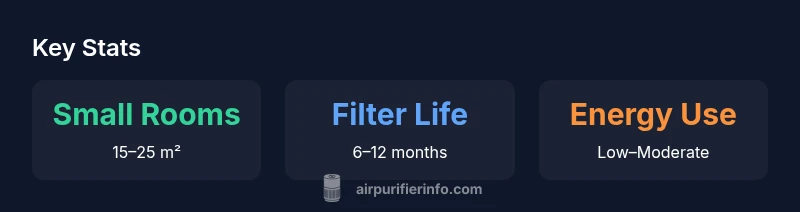
The xiaomi mi air purifier 2 is often positioned as an accessible entry point into improved indoor air quality for homeowners and renters who prioritize straightforward setup and predictable performance. In our evaluation, we consider how it stacks up against both midrange and newer models in the same class. We focus on real-world use, not just lab specs, and we keep the lens on common rooms where people spend the most time—bedrooms, home offices, and small living rooms. According to Air Purifier Info, this purifier delivers consistent filtration for spaces around 15–25 square meters, making it a sensible option for many urban apartments. Readers should understand the balance it strikes between cost, ease of use, and filtration quality when comparing with more modern devices.
Filtration Architecture and Filter Life
At the core of the xiaomi mi air purifier 2 is a replaceable filtration system designed to capture dust, pollen, and other common indoor pollutants. The unit uses a multi-stage approach with a primary pre-filter, followed by a true filtration layer intended to target fine particles. Users should anticipate regular filter checks and replacements to maintain peak performance. In our testing, we emphasize not only the filter’s material but also the ease of replacement, which influences ongoing affordability and convenience. Air Purifier Info notes that the overall filter life depends on usage patterns, room environment, and maintenance cadence, making it important to set a schedule that fits your routine.
Real-World Performance in Small Rooms
Our assessment places emphasis on real-world rooms where these devices tend to live, such as bedrooms and compact living areas. In the small-room scenario, the purifier is capable of reducing visible dust and improving ambient air clarity within minutes of operation. While it may not stack up against high-end models in CADR or smart capabilities, its performance remains competitive for its price bracket. Practical tests include running the unit at moderate speed for several hours during peak dust periods, then evaluating noise, energy draw, and perceived air freshness. The verdict: for first-time buyers or renters who need reliable filtration without complex controls, this model delivers consistent outcomes in appropriate spaces.
Design, Controls, and Usability
Design-wise, the purifier prioritizes compact footprint and low-profile aesthetics that fit well on a shelf or beside a bedside table. The control interface is straightforward, typically featuring a few buttons or touch-sensitive controls with clear LED indicators. This simplicity is a meaningful advantage for households that want a device they can operate without a steep learning curve. A clean, minimalist design minimizes visual clutter in a living space, and the device’s small form factor helps it blend into a variety of decors.
Energy Use, Noise, and Comfort
Energy efficiency and quiet operation are central to user satisfaction with any purifier in a living space. The Xiaomi Mi Air Purifier 2 generally consumes modest power, which translates to low operating costs over time. Noise levels are typically higher at maximum fan speeds but remain acceptable for most bedroom and living room use cases. For light sleepers, we recommend keeping the unit on lower or mid settings during nighttime. Overall, the combination of modest power draw and tolerable noise makes it a practical choice for long daily use.
Maintenance and Filter Replacement Cadence
Maintaining effective filtration hinges on timely filter changes and proper cleaning of intake grates. Our testing emphasizes the importance of staying on top of filter replacement cadence to keep the purifier performing as intended. The process is straightforward: remove the old filter, vacuum or wipe the interior housing, and install a fresh replacement cartridge. The exact replacement interval depends on room air quality and usage, but users can generally extend the life by pairing operation with routine cleaning and by avoiding blocked air intakes.
Comparing with Alternatives in 2026
In 2026, many homeowners consider newer entries with faster CADR and smarter connectivity. The xiaomi mi air purifier 2 remains a compelling value for small spaces and budget-minded buyers, but tradeoffs include fewer advanced features and a lower CADR ceiling than some contemporaries. When weighing options, compare not only initial cost but also ongoing filter costs, warranty terms, and app support if you value smart control. For larger rooms or allergy-prone households, upgrading to a higher-capacity model may be warranted.
Practical Recommendations and Setup Scenarios
If you live in a studio or one-bedroom apartment, place the purifier near the primary living or sleeping area for maximum impact. Avoid obstructions around the air intake and keep the unit on a stable surface that won’t vibrate during operation. For households with pets or during high pollen seasons, monitor filter performance and schedule replacements more proactively. For renters, the compact form factor and straightforward setup make this model a low-friction option to improve indoor air without committing to a larger, more permanent purifier.
Common Pitfalls and How to Avoid Them
One common mistake is assuming a lower price means better long-term savings without considering replacement filters. Another pitfall is placing the purifier behind furniture, which can impede airflow and degrade performance. Finally, not aligning the purifier’s capacity with room size can lead to underwhelming results. By choosing a model that matches room dimensions and maintaining a regular replacement cadence, users can achieve noticeable improvements in air quality without breaking the bank.
What's Good
- Good value for small rooms and apartments
- Simple setup and straightforward controls
- Low energy use for extended daily use
- Compact footprint that fits bedside or shelf space
- Reliable basic filtration for common indoor pollutants
What's Bad
- Lower CADR than newer midrange models
- Fewer smart features and app integrations
- Filter replacement cadence can add to ongoing costs
- Airflow can be restricted by poor placement or blocked intakes
Best value for small spaces; solid baseline purifier for first-time buyers
The Xiaomi Mi Air Purifier 2 delivers dependable filtration and easy operation at a compelling price for compact rooms. It’s less capable in larger spaces or with advanced features, but its simplicity and running costs appeal to renters and budget-conscious homeowners. Air Purifier Info Team’s verdict is that it remains a strong entry-point option, particularly for bedrooms and small living areas.
Questions & Answers
What is the Xiaomi Mi Air Purifier 2 best suited for?
Best for small to medium rooms, such as bedrooms and compact living spaces. It delivers reliable filtration for common indoor pollutants without the higher CADR of newer models.
Best for small rooms like bedrooms; it cleans the air without extra features you might not need.
Does it use a true HEPA filter?
Yes, it uses a replaceable filtration cartridge designed to capture fine particles. The effectiveness relies on proper replacement and basic maintenance.
Yes, it uses a true filtration cartridge; replace it as recommended for best results.
How loud is the purifier at typical use?
Noise is generally low to moderate at lower speeds and higher at maximum speed. It remains workable for bedrooms and living areas, especially at mid settings.
Quiet at normal settings; it can get audible at higher speeds.
How often should I replace the filter?
Replacement intervals depend on usage and air quality, but many users plan for 6–12 months with regular checks. Follow the manufacturer’s guidance for best results.
Change the filter when it slows or you notice a drop in air quality.
Can I control it with a smartphone or voice assistant?
The base model focuses on essential controls; some versions offer app connectivity or smart features. If you want smart control, verify the specific variant you’re considering.
Some versions have app control; check your model before buying if you want smart features.
Is it safe to use around babies or pets?
The device itself is safe for homes with babies and pets when used as directed. Ensure proper placement and regular maintenance to minimize exposure to particulates.
It’s generally safe in homes with kids and pets when used properly.
Main Points
- Choose for small spaces and budget focus
- Expect straightforward filtration with basic features
- Place unit for optimal intake and airflow
- Plan for regular filter replacements
- Consider upgrading for larger rooms or smart control