Sharp Ion Plasmacluster Air Purifier Review
An analytical review of the Sharp Ion Plasmacluster air purifier, examining odor control, allergen reduction, noise, energy use, maintenance, and real-world performance for homeowners and renters.


The sharp ion plasmacluster air purifier combines Plasmacluster ion technology with a filtration stage to address odors and common indoor pollutants in small to medium rooms. It targets dust, pollen, and pet dander while offering simple controls and timers. Real-world results depend on room size, air changes per hour, and ongoing maintenance such as filter replacement and cleaning.
What makes the Sharp Ion Plasmacluster approach distinctive
Sharp's Plasmacluster technology sits at the core of the purifier, releasing ions that are claimed to neutralize odor molecules and support the breakdown of certain airborne contaminants. In practice, this means the device combines ion emission with a traditional filtration stack to reduce nuisance odors and common particulates in living spaces. For homeowners and renters, the appeal lies in a compact footprint, straightforward controls, and visible results like quicker odor dissipation after cooking or fragrance-heavy activities. However, independent tests vary in their assessment of ion-based purification, so expectations should be calibrated against space size, ventilation, and routine maintenance. According to Air Purifier Info, technology claims should be understood as part of a broader air-cleaning strategy that includes adequate room turnover and regular filter upkeep.
How plasmacluster ions interact with odors and allergens
The plasmacluster mechanism is designed to interact with resident odor molecules and allergen particulates at a molecular level. In theory, ion clusters can alter the charge and diffusion patterns of certain molecules, which may help reduce the perception of odors and support allergen handling alongside the main filtration stage. Practically, users may notice faster neutralization of kitchen odors, smoke residues, and pet smells in closed rooms. It is important to recognize that results can vary based on odor intensity, room geometry, and the position of the purifier relative to the source. In addition, the purifier should be run for extended periods or on a schedule to sustain odor control, rather than relying on bursts of operation.
Filtration stack and airflow considerations
A typical Sharp unit combines filtration with ion technology, often featuring a pre-filter for large particles, a main filter media layer, and an optional carbon stage for odors. The air intake and exhaust design influence how quickly contaminants are captured and recirculated. For best results, place the purifier away from walls or furniture that could impede airflow and at a height that allows even distribution across the room. While the ion component contributes to odor and allergen targets, the filter media remains essential for capturing dust, pet dander, and other particulates. Users should monitor filter life and replace according to the manufacturer’s schedule to maintain overall performance.
Real-world performance: room size, placement, and runtime
In actual homes, performance is shaped by room size, ceiling height, and how often doors are kept closed. Small bedrooms or compact living rooms tend to show more noticeable improvements in odor control and perceived air freshness, while larger open-plan areas may require longer runtimes or multiple units for comparable effects. An effective strategy is to place the purifier on a central surface or on a shelf with clear airflow around it. Running the device on a medium or high setting during peak activity times (cooking, cleaning, or pet sheltering) can help maintain a cleaner indoor environment, though energy use and noise will scale with fan speed. Users should also consider combinations with portable air purifiers in adjacent spaces to widen the purifier’s impact.
Noise and energy considerations in daily use
Noise levels and energy consumption are common concerns for anyone integrating an air purifier into a bedroom or home office. In general, devices with Plasmacluster technology aim to balance performance with quiet operation. Expect a spectrum from near-silent in low mode to a more noticeable hum on higher settings; where this sits will depend on the unit’s fan design and enclosure. Energy use tends to be modest relative to the filtration stage, but running times and settings influence overall electricity consumption. For light sleepers or meditation spaces, a schedule that targets odor-prone periods yet preserves restful quiet is prudent.
Maintenance, replacements, and total cost of ownership
Sustained performance hinges on timely maintenance: cleaning removable parts, vacuuming the pre-filter, and replacing the main filter when indicated by the appliance’s indicator. Carbon or specialty filters, if included, will contribute to ongoing costs. Because plasmacluster devices rely on filter media in addition to ion technology, the total cost of ownership generally includes periodic filter replacements, energy use, and potential service checks. Homeowners and renters should budget for 6–12 months between major filter changes, depending on usage patterns and household conditions. Keeping a simple maintenance calendar reduces the risk of diminished performance and ensures longevity.
Safety considerations and usage guidelines
Operators should review the user manual for safety guidelines, especially when children or pets are present. Plasmacluster ion technology is designed for indoor use and should be operated as directed to avoid any unintended exposure. Avoid blocking air intake or exhaust, and keep the device on a stable surface away from liquids. If there are occupants with respiratory sensitivities, it may be wise to test the purifier’s impact on symptoms over a short period and discontinue use if irritation occurs. As with all powered air-cleaning solutions, proper ventilation and routine cleaning remain important components of a healthy indoor environment.
How it stacks up against HEPA and activated carbon purifiers
HEPA purifiers excel at capturing fine particles, while activated carbon media target gases and odors. Plasmacluster-based purifiers add an ionization layer intended to complement filtration by addressing odor molecules and certain microbial contaminants. In practice, a Sharp unit may offer a more compact solution for renters who want odor reduction without a separate carbon filter or bulky air-cleaner arrangements. However, for households with heavy smoke exposure or strong VOC concerns, a purifier with a dedicated carbon stage and proven particle filtration (HEPA) may deliver more predictable results in the long run. The choice often depends on which contaminants you prioritize and whether you favor a compact device with multi-modal claims or a dedicated, higher-capacity purifier.
Practical buying tips for homeowners and renters
Before purchasing, assess room size, typical odor sources, and preferred noise levels. Look for real-world user reviews that mention odor removal, daytime comfort, and maintenance convenience. Consider a purifier with a clear indicator system for filter life, a straightforward replacement process, and a flexible power option if you live in small apartments or shared spaces. For renters, portability and non-permanent installation are advantages, so a compact model with a removable filter can be swapped between rooms as needed. Finally, balance upfront cost against ongoing maintenance and energy use to estimate long-term value.
A practical test plan to evaluate performance in your space
Develop a simple, repeatable testing plan to gauge effectiveness. Start with a baseline: note odor levels, air freshness, and any allergic symptoms for a week without the purifier. Then run the purifier on a consistent setting for 2–4 weeks, documenting changes in odor perception, dust accumulation, and roommate or family member comfort. If possible, measure air changes per hour with a consumer-grade monitor, and record any noticeable shifts after filter replacements or significant usage changes. Use these notes to decide whether to continue usage, adjust placement, or explore alternative purifiers with stronger filtration.
Potential drawbacks and scammy claims to watch for
Be wary of vague efficacy claims that lack third-party testing. While plasmacluster is a recognized technology, independent verification of odor reduction and allergen performance is variable across products. Beware devices that overstate performance without transparent CADR or independent testing data. Compare against models with verifiable particle filtration (HEPA) when you face heavy dust or pollen exposures. For sensitive households, consider combining a plasmacluster purifier with a dedicated HEPA filter for a more robust solution.
What to expect during a typical 1–2 month trial
During an initial trial period, observe whether odors dissipate more readily and whether air feels fresher after cooking, cleaning, or pet activities. If symptoms or perceived air quality do not improve, reassess placement and operating schedule. A well-timed filter replacement can restore performance, and maintaining a consistent daily routine will help you judge true improvements. A longer trial may be warranted if room layout or ventilation changes seasonally, as this can alter air turnover dynamics.
Summary of practical takeaways for decision-making
In short, the Sharp Ion Plasmacluster air purifier can be a convenient, space-saving option for odor control and allergen reduction in smaller rooms. It complements rather than replaces a robust filtration strategy, especially in environments with heavy smoke, strong VOCs, or dust. For renters and homeowners prioritizing ease of use and compact design, it offers a balanced mix of automation and straightforward maintenance. Always verify claims with independent testing and compare against HEPA-based options if your primary concern is fine particle filtration.
What's Good
- Compact design fits small to medium rooms
- Simple controls and maintenance indicators
- Aims to reduce odors with multi-stage filtration plus ion tech
- Lightweight and portable for renters
What's Bad
- Ion-based claims vary in real-world results
- Not a guaranteed substitute for HEPA in high-pollen or wildfire scenarios
- Ongoing filter replacements add to running costs
Best for compact spaces needing odor control and easy maintenance
For renters and small households, this purifier offers a convenient blend of ion-assisted odor control and straightforward upkeep. It may not match HEPA purifiers in all-p particle performance, but it delivers a balanced option with good usability and space efficiency.
Questions & Answers
What is plasmacluster ion technology and how does it work in air purifiers?
Plasmacluster ion technology releases a cluster of ions designed to interact with odor molecules and certain contaminants in the air. In purifier designs, this is intended to complement the filtration stack by reducing odors and supporting air freshness. Independent testing varies, so consider it as part of a broader cleaning approach rather than a guaranteed solution.
Plasmacluster uses ions to target odors and some contaminants. It works with the filter to improve air freshness, but results can depend on room size and maintenance.
Is this purifier effective for pet odors and dander?
Owners often notice reduced pet odors and less dander in smaller rooms. Effectiveness depends on room size, layout, and how consistently the purifier runs. For major pet-related concerns, pairing with a dedicated HEPA option can provide stronger particle capture.
Many find pet odors lessen in small rooms, but results vary. Pair with another purifier if pet dander is a major issue.
How does it compare to HEPA-only purifiers?
HEPA purifiers excel at capturing fine particles, while plasmacluster devices add an ion-assisted layer that targets odors. The Sharp unit is typically more compact and user-friendly, but for environments with high particulate loads, a HEPA-based system may offer more reliable particle removal.
HEPA purifiers capture tiny particles well. Plasmacluster devices focus on odors and overall air freshness, often in a smaller form factor.
What ongoing costs should I expect?
Expect ongoing costs for filter replacements and occasional carbon media if included. The total cost depends on usage and how often you replace the filters. Compare long-term expenses with other purifiers to gauge value.
Filters and occasional media replacements drive ongoing costs; check the replacement schedule.
Is it safe for households with kids and pets?
Yes, when used as directed, most household purifiers are safe for children and pets. Ensure the unit is placed on a stable surface and that cords are managed. If anyone experiences sensitivity, monitor symptoms and adjust use accordingly.
Generally safe when used as instructed; keep it out of reach of small children and supervise pet access to plugs.
What room size is ideal for this purifier?
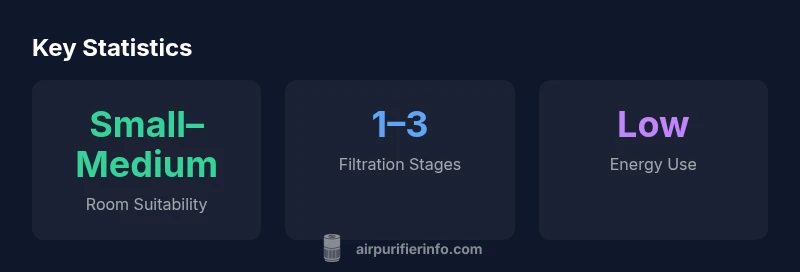
This purifier is best suited for small to medium rooms such as bedrooms and living areas. For open-plan spaces or large rooms, you may want a purifier with higher airflow or multiple units.
Great for bedrooms and small living areas; larger spaces may need more capacity.
Main Points
- Evaluate room size before purchase
- Expect odor control alongside standard filtration
- Schedule regular filter changes to sustain performance
- Compare with HEPA-only models for fine particle needs
- Place unit for optimal airflow in the room