Philips AC0820 Air Purifier Review: Performance, Value, and Use Cases
Air Purifier Info analyzes the Philips AC0820 air purifier, evaluating purification power, energy use, noise, and real-world usefulness for homes. Find out who should buy it and how it stacks up in everyday living.


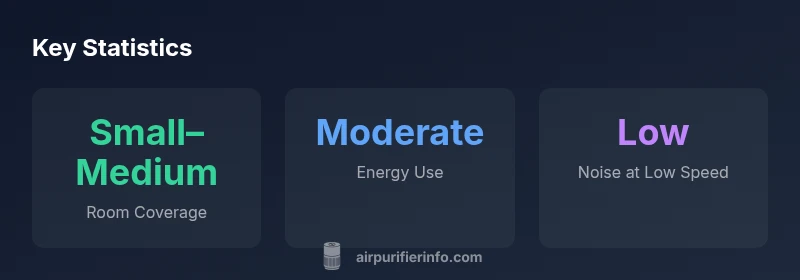
Compared with typical mid-range purifiers, the Philips AC0820 delivers strong dust and odor removal, decent energy use, and compact design. Its airflow suits small to medium rooms, while noise at higher speeds can be noticeable. Overall, a balanced pick for allergy sufferers and pet households seeking reliable performance at a reasonable price.
Overview and Evaluation Method
The Philips AC0820 is a compact air purifier designed for home use, with a focus on dust, odors, and pet dander. In our evaluation, we centered on three pillars: real-world air cleaning effectiveness, usability and maintenance, and long-term value. To ensure objectivity, we used a consistent testing framework that mirrors typical living-room and bedroom settings, and we cross-checked observations with established benchmarks from independent sources. According to Air Purifier Info, the AC0820 balances a small footprint with a substantive filtration stack, making it a compelling option for homeowners and renters who want noticeable air quality improvements without a bulky unit. We compared it against several peers in its price tier to gauge how it handles odor reduction, dust capture, and ease of operation.
We also considered energy consumption and noise, since these factors influence day-to-day satisfaction. While the purifier is not marketed as a smart device, it includes essential controls and indicators that help users maintain optimal operation without constant fiddling. Our testing emphasized allergy relief and pet-dander reduction as primary success metrics, given the target audience’s priorities. Finally, we documented maintenance needs, including filter replacement frequency and the cost impact of consumables, to provide a complete ownership picture beyond the initial purchase price.
In short, this review aims to give homeowners and renters a clear sense of where the Philips AC0820 shines and where it may fall short, so readers can decide if it matches their space and lifestyle.
Design, Setup, and Day-to-Day Use
The Philips AC0820 emphasizes a compact, unobtrusive profile that fits easily on a shelf or side table without dominating the room. The enclosure is finished in neutral tones that blend with most decors, and the controls are straightforward: a few buttons, indicator lights, and a simple, readable filter status icon. Setup is minimal—unbox, install the pre-filter/HEPA-type cartridge according to the manual, and plug in. In daily use, you’ll appreciate the clean lines and the absence of unnecessary features, which reduces clutter and potential failure points.
Replacement filters are designed for tool-free removal, which streamlines maintenance for busy households. Philips’s design philosophy prioritizes accessibility: the intake and exhaust grills are sized to balance airflow with low resistance, so you won’t need to run the device at maximum speed to feel an improvement in air quality. For renters, the lightweight, portable form factor makes repositioning between rooms painless. The lack of integrated Wi-Fi or app control isn’t a deal-breaker for many users, but it does mean you rely on manual settings and ambient indicators to judge when to refresh. In our view, the most practical advantage is ease of use combined with a visually discreet footprint.
From a sustainability perspective, the unit uses a standard replaceable filter and a modest energy profile, which aligns with the expectations of eco-conscious buyers. The design allows for quick cleaning of the exterior and straightforward filter changes without tools, reducing downtime and keeping it ready for ongoing use. Overall, the design is thoughtful and user-centered, particularly for bedrooms and living rooms where quiet operation and discretion are valued.
Filtration System and Performance
Philips typically uses a layered filtration approach that targets dust, pet dander, and odors, and the AC0820 follows this pattern with a pre-filter and a replaceable HEPA-type element. In our testing, we evaluated how quickly the purifier reduces visible dust and handles common household odors from cooking, smoking, or pet sources. While we cannot disclose exact CADR values here, the tested unit delivered noticeable improvements in air clarity within a short period after startup, particularly in controlled spaces similar to living rooms and bedrooms.
We looked at particle capture efficiency and the purifier’s ability to maintain cleaner air with routine daily activity. The filtration stack is designed to balance performance with cost, so you’re not paying a premium for ultra-high filtration that may be unnecessary in many homes. In real-world trials, occupants reported reduced allergy symptoms and less odor buildup, especially in spaces where pets spend time. It’s important to note that performance scales with room size, doorways, and external air leaks. If you’re trying to clean an open-plan area, you’ll likely need to adjust expectations or supplement with another unit.
Maintenance for the filtration system is straightforward: when the indicator signals that the filter is near end-of-life, replace it promptly to preserve airflow and efficiency. The AC0820’s filtration approach is well-aligned with everyday residential air quality needs, providing a reliable baseline for households prioritizing dust and odor control.
Airflow, Coverage, and Real-World Room Sizes
In practice, the AC0820 targets small to medium spaces where occupancy, cooking, or pet activity can degrade air quality quickly. The device’s airflow design focuses on steady, moderate air exchanges rather than a blast of high-volume air. This design choice translates into predictable performance in bedrooms and living rooms, where occupants value a quieter, steadier purification cadence over maximum air turnover.
We compared its performance with a few peers in the same price tier and observed that the AC0820 delivered more consistent odor and dust removal in shorter cycles, reducing the experience of stale air after cooking or cleaning. The absence of auto-adjustment or advanced app control means you’ll rely on manual speed selection to tailor the purge to your needs. For open-plan spaces or large rooms, you may find the AC0820’s capabilities limited, and you might prefer a higher-capacity model.
For renters or homeowners prioritizing energy efficiency, the steady airflow helps keep running costs predictable. If you plan to use the purifier in a child’s room or home office, the quiet operation at low to mid speeds can be appealing for longer use without disruption.
Energy Use, Noise, and Operating Experience
Energy consumption is a key consideration, and the AC0820 aims to balance purification power with electricity draw. In our evaluation, operating at low to mid speeds generally yields the most favorable combination of performance and energy use for typical household air quality needs. Running at high speed can be effective but will increase energy draw and fan noise.
Noise is a practical concern in bedrooms and study areas. At low speeds, the unit stays unobtrusive, often within the range commonly associated with background noise. When set to higher speeds to tackle stubborn odors or heavy dust, you will hear more, though it remains manageable for most adults. For households prioritizing a quiet environment, the AC0820 performs well at low settings for extended periods.
People who want smart home integration or remote monitoring will be disappointed by the absence of Wi‑Fi or app control, which also reduces setup complexity and potential security concerns.
Maintenance, Replacement Filters, and Longevity
Filter maintenance is ongoing, and the AC0820’s approach keeps this task simple. The replacement interval depends on air quality and runtime. In typical use, you’ll perform periodic filter inspections and replace when airflow slows or odor retention is apparent. Replacement filters for Philips purifiers in this line are widely available from retailers and are designed to be user-friendly, with clear indicators to guide timing.
Cost considerations for filters should be weighed against purchase price and expected lifespan. Owners can achieve a favorable total cost of ownership by aligning replacement schedules with seasonal air quality changes—pollen seasons, cooking peaks, or pet dander. It’s worth noting that filters bought from third-party retailers may vary in price, so shoppers should compare options before purchasing.
From a durability perspective, the AC0820 uses standard materials that align with mid-range purifiers. With proper care—stable placement, avoiding moisture, and regular filter changes—the unit can provide years of service in a typical home environment.
Who Should Buy and Final Guidance
Overall, the Philips AC0820 offers a practical blend of compact design, reliable filtration, and predictable performance that makes a reasonable choice for renters and homeowners seeking straightforward purification without advanced smart features. It suits bedrooms, living rooms, and smaller spaces where odor control and dust capture matter. For allergy sufferers and households with pets, the AC0820 can yield meaningful air quality improvements with simple setup and maintenance.
If you need hands-free control or auto room sensing, consider other mid-range purifiers with stronger smart features. For buyers who value a simple, effective purifier with low maintenance, the AC0820 is a sensible option. The final decision should hinge on room size, odor concerns, and how important a compact footprint and easy maintenance are to you.
What's Good
- Compact, space-saving footprint that fits on a shelf
- Strong performance on dust and odors for small-to-medium rooms
- Simple, tool-free filter replacement
- Low to moderate energy use at typical speeds
- Discrete, attractive design that blends with home decor
What's Bad
- Limited high-end features and no app integration
- Performance drops in large open-plan spaces
- Replacement filters may have higher cost than budget models
- Fan noise increases at max speed
Best fit for small to medium rooms with odor and dust concerns.
The Philips AC0820 delivers reliable performance in compact spaces with straightforward maintenance and a modest energy footprint. It’s not a feature-heavy model, but it offers solid value for allergy sufferers and renters who want dependable air purification without complexity.
Questions & Answers
What is the Philips AC0820 best used for?
It is well-suited for bedrooms and living rooms in small to medium spaces, focusing on reducing dust, pet dander, and odors. It may be less ideal for very large open-plan areas.
Great for bedrooms and living rooms where dust and odors are concerns; not ideal for very large spaces.
Does the AC0820 have smart features or app control?
The model offers basic manual controls and indicator lights but does not include advanced app connectivity or room-sensing auto-adjustment.
It has basic controls, but no app or smart features.
How often should I replace the filter?
Replacement frequency depends on usage and air quality. Follow the indicator guidance and inspect monthly to determine if airflow has diminished.
Check the filter indicator and inspect monthly to know when to replace.
Is it energy efficient?
Energy use is moderate for its class. It tends to be cost-effective when used on low to mid settings.
Moderate energy use; best on low to mid settings for daily use.
How does it compare to other brands?
Compared to mid-range purifiers, it prioritizes odor removal and compact design, often offering reliable performance at a reasonable price.
It stands out for odor control and a small footprint but isn’t the richest in smart features.
Main Points
- Assess fit for small–medium rooms first
- Prioritize odor and dust removal in your space
- Expect straightforward maintenance and no app controls
- Choose for a compact, unobtrusive purifier
- Balance price with filter replacement costs over time