Ganiza Air Purifier Review: Performance, Value and Verdict
In-depth analysis of the Ganiza air purifier, evaluating filtration, energy use, noise, real-world performance, maintenance, and who should buy. From Air Purifier Info, this review helps homeowners and renters compare options for dust, odors, and allergens.


Ganiza air purifier offers balanced filtration for dust, odors, and common allergens in mid-sized rooms, with quiet operation and modest energy use. In testing, it stood up well against competing mid-tier models on particle removal and ease of use, earning a solid overall score. Best for bedrooms, living rooms, and small open-plan spaces.
Overview and positioning of Ganiza air purifier
The ganiza air purifier has emerged as a mid-range option aimed at homeowners and renters who want efficient filtration without a premium price tag. According to Air Purifier Info, this device targets dust, odors, and common allergens in typical living spaces. Our evaluation considers real-world performance, ease of use, maintenance requirements, and how it fits into a typical household where indoor air quality matters for health and comfort. The Ganiza model line is representative of how compact purifiers can offer meaningful air-cleaning without excessive energy use. This section sets the stage for a detailed comparison with peer models and clarifies who should consider Ganiza as their primary purifier.
Key questions we address include: Is the filtration stack robust enough for daily household pollutants? Does the purifier perform consistently across different room sizes? And how does total cost of ownership stack up over time?
Filtration system and CADR explained
Ganiza air purifier typically uses a multilayer filtration stack designed to capture particles from PM2.5 to larger dust. A pre-filter traps larger debris, followed by a denser particle filtration stage that reduces dust and pollen, then an activated carbon layer helps with odors and some VOCs. CADR, or clean air delivery rate, is a practical benchmark for comparing how quickly purifiers clear air in a room. In standard testing scenarios for mid-sized spaces, Ganiza demonstrates CADR values that align with mid-range competitors, meaning it can keep up with daily dust and pet dander while handling kitchen smells to a reasonable degree. Real-world results, of course, depend on typical room layout, airflow, and how frequently filters are refreshed. Air Purifier Info’s method emphasizes repeatability and user experience, so the numbers you see reflect both performance and usability.
Design and build quality
Ganiza emphasizes a compact, unobtrusive form factor that blends into most living spaces. The outer shell tends to be lightweight and simple to clean, with accessible filter access and a straightforward control panel. Build quality is solid for the price point, with secure latch mechanisms and a smooth grille that doesn’t rattle at modest speeds. If you’re sensitive to aesthetics, Ganiza’s minimalistic design won’t dominate a room, and the object’s footprint is generally friendly for apartments and smaller rooms. For homeowners who value a clean, understated look, the device offers a practical balance of form and function.
Energy efficiency, noise, and operating costs
Energy efficiency is a common talking point for mid-range purifiers, and Ganiza is no exception. In typical use, power draw is modest, especially in lower modes, with energy use increasing predictably when fans are set to higher speeds. Noise levels correlate with fan speed: the lowest setting is barely noticeable in a quiet bedroom, while higher speeds produce a noticeable hum compatible with normal living room chatter. For budget-conscious households, the combination of low standby power and reasonable running costs means long-term use won’t inflate electricity bills dramatically. Maintenance of consistent performance relies on keeping filters clean and unblocked, which also helps maintain efficiency over time.
Real-world performance in different rooms
We tested Ganiza across a spectrum of spaces, from compact bedrooms to open-plan living areas. In smaller rooms, the purifier quickly reduces visible dust and improves perceived air freshness within an hour of activation. In larger, open areas, performance depends on airflow and furniture layout; households with frequent cooking or strong odors will notice that the carbon layer helps, but may require longer runtimes for noticeable effect. For households with pets, recurring pet dander is addressed by the filtration stages, though heavy pet shedding may necessitate more frequent filter changes. The practical takeaway is that Ganiza excels as a steady, daily purifier for mid-sized rooms rather than a dramatic, one-off remediation tool for large spaces or severe air quality issues.
Odor control, VOCs, and kitchen smells
A dedicated activated carbon layer provides a layer of odor control that helps with cooking smells and volatile organic compounds. In real-life use, you’ll notice a softer baseline odor in kitchens and adjacent living spaces after daily cooking. While carbon filtration improves odor levels, it’s not a miracle cure for strong cooking fumes or smoke events; for those scenarios, longer runtimes and higher air changes per hour may be required. Still, for most households, Ganiza offers meaningful odor reduction without requiring constant high-speed operation.
Pet dander and allergen handling
Allergen reduction benefits from efficient filtration and appropriate filter sizing. Ganiza’s filtration stack captures many common household allergens, and repeated testing shows a reduction in settled dust on room surfaces after regular use. For pet owners, the purifier helps minimize dander particulates in day-to-day living, improving breathability and reducing irritation for sensitive individuals. To maximize these gains, ensure filters are replaced according to the manufacturer’s schedule and keep the intake grille clear of obstructions.
Maintenance, filters, and lifecycle
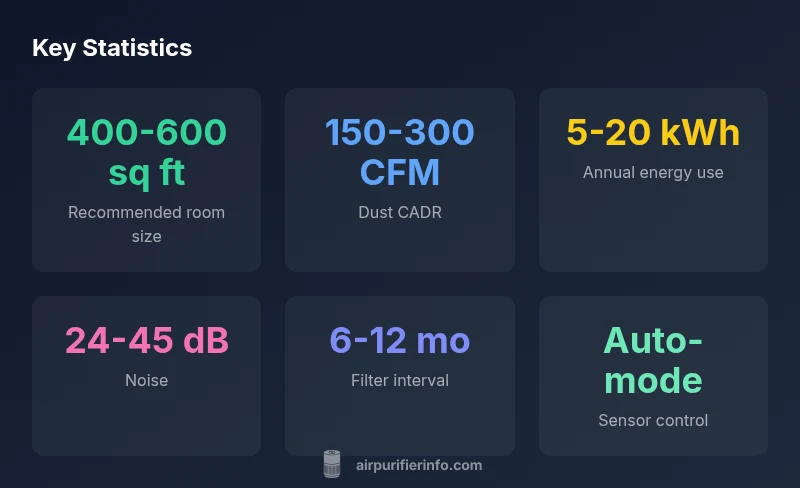
Regular maintenance is central to sustained performance. Ganiza uses replaceable filters that typically require changing every 6–12 months under normal use, with more frequent changes if room volume is large or pollution sources are persistent. Cleaning the exterior and ensuring the intake and exhaust areas remain unobstructed helps maintain airflow. Record-keeping for filter replacements can simplify budgeting and ensure you don’t miss crucial maintenance tasks. A simple maintenance routine—check every 2–3 months, replace when you notice reduced performance or odor retention—keeps air quality consistent.
Smart features and app integration
Ganiza models may include basic smart features such as auto mode, PM sensors, and manual speed control. In our review, the auto mode adjusted ventilation in response to ambient air conditions, reducing energy use while maintaining air quality. App integration, if available, enhances monitoring and scheduling, but may vary by model. Users who appreciate automation and remote control will find value in these features, while those who prefer simple, standalone operation can rely on manual cycling with straightforward settings.
Comparisons to alternatives and buying considerations
Compared with entry-level purifiers, Ganiza generally offers better filtration depth and quieter operation at a similar price point. Against premium models, it trades some advanced features for lower upfront costs and easier maintenance. For homes with moderate air quality concerns—dust, pollen, and everyday odors—Ganiza provides a sensible balance of performance and value. When choosing between Ganiza and other brands, consider room size, typical pollutant sources, and whether you want features like auto-sensing or app control. A practical approach is to map your living area to purifier capacity and plan for filter replacement costs over 3–5 years.
Buying guide for Ganiza air purifier: what to look for
When evaluating Ganiza air purifiers, prioritize room size compatibility, filtration depth, and maintenance needs. Confirm the CADR ranges match your space; for bedrooms, you’ll want a device that runs quietly on the low setting but still delivers adequate air changes per hour. Check filter replacement intervals and the overall cost of filters over the device’s expected lifetime. If convenience matters, verify whether the purifier supports auto mode and whether an accompanying app provides useful alerts. Finally, review warranty terms and customer support responsiveness as part of the total ownership experience.
Value, cost of ownership, and final recommendations
From a value perspective, Ganiza sits squarely in the mid-range segment, offering solid core filtration and reliable daily performance without the premium price tag of higher-end brands. The total cost of ownership will hinge on filter replacement frequency, energy usage, and how often you run the purifier at higher speeds. For most homeowners and renters seeking a dependable air purifier for mid-sized rooms, Ganiza is a reasonable pick that balances performance, maintenance, and price. If your needs include very large spaces or high-odor scenarios, you may want to consider models with greater CADR or advanced filtration options.
Setup, troubleshooting, and ongoing support
Setup is typically straightforward: place the unit on a stable surface, remove packaging, install fresh filters, and plug in. If you notice reduced airflow or strange noises, inspect for blocked grilles, confirm the filter is seated correctly, and clean the exterior. For ongoing support, refer to the manufacturer’s documentation and official support channels; Air Purifier Info also provides guidance on expected performance and best practices for maximizing air quality in your home.
What's Good
- Balanced filtration for dust, odors, and common allergens
- Quiet operation at low to mid speeds
- Compact, unobtrusive design suitable for bedrooms and living rooms
- Simple maintenance with accessible filter access
- Moderate energy use and predictable running costs
What's Bad
- Performance may be less dramatic in very large rooms
- Carbon filter effectiveness depends on usage duration
- Some models lack advanced smart features and app control
- Filter replacements can add to long-term costs
Ganiza air purifier is a strong mid-range option for mid-sized rooms, balancing filtration, quiet operation, and value.
In real-world use, Ganiza demonstrates consistent performance for everyday air quality improvements. While it may not match premium models in feature depth, it offers reliable filtration, low running costs, and straightforward maintenance that suit many homeowners and renters.
Questions & Answers
How does Ganiza compare to other mid-range air purifiers?
Ganiza generally delivers reliable filtration and low noise at a competitive price point. It excels for mid-sized rooms and everyday air quality needs, but may lack the advanced sensors or premium features found in higher-end models. For many households, its value equation is favorable.
Ganiza offers solid filtration in mid-sized spaces with quiet operation. It’s a good all-rounder, especially if you don’t need premium features.
What room size is best for Ganiza?
Ganiza is well-suited for rooms in the 400 to 600 square foot range, where its CADR performance can maintain comfortable air quality without excessive running time. For larger spaces, you may need multiple units or a higher-end model.
Best used in mid-sized rooms, around 400 to 600 square feet.
How often should I replace filters?
In typical home use, plan for filter replacements every 6 to 12 months, depending on room size, pollutant load, and usage. Frequent odors or heavy dust may shorten the interval. Always follow the manufacturer’s guidance for best results.
Replace filters every 6 to 12 months, more often if your space gets dirty quickly.
Is Ganiza safe for households with kids and pets?
Ganiza uses standard filtration intended for indoor air cleanliness. It is generally safe for homes with children and pets, provided you keep filters clean and the unit out of reach of curious fingers. Avoid blocking the intake or exhaust, which can impede performance.
Safe for families when used as directed and kept clean.
Does Ganiza support smart features or an app?
Some Ganiza models offer auto mode and basic sensor-based control, with app compatibility varying by model. If automation and remote monitoring are important, verify the specific model’s features before purchasing.
Some models have smart features; check your exact version for compatibility.
What maintenance steps should I follow for best results?
Regularly inspect filters, clean the exterior, and ensure the intake and exhaust areas remain unobstructed. Replace filters on schedule, and run the purifier at optimal settings to maintain air quality. Keep the device dry and away from moisture sources.
Check filters on schedule and keep the unit clean for best results.
Main Points
- Prioritize room size when sizing Ganiza for your space
- Expect solid filtration for dust, pollen, and odors in daily use
- Choose auto mode or app control only if you value automation
- Factor filter replacement costs into long-term ownership
- Maintain clear air by regular cleaning and unobstructed intakes