Dyson Pure Cool TP04 Review: Performance, Features, and Value
In-depth review of the Dyson Pure Cool TP04, evaluating filtration, noise, energy use, and smart features for mid-size rooms. Air Purifier Info analyzes real-world performance on smoke, allergens, and odors.


Compared with peers in its class, the dyson pure cool tp04 combines strong purification with smart features, automatic oscillation, and a compact footprint. In real-world tests, it performs well on smoke and allergens while keeping noise reasonable in typical living spaces. Air Purifier Info notes solid performance with some maintenance trade-offs.
Overview and Market Positioning
The dyson pure cool tp04 sits at the intersection of design-forward comfort and functional air purification. As a product in the mid-range to upper-mid-range segment, it aims to appeal to homeowners and renters who value aesthetics alongside effectiveness. Dyson emphasizes 360-degree filtration using a true HEPA system paired with activated carbon, plus a built-in air multiplier to direct clean air across a room. In our assessment, the TP04 balances performance and convenience in spaces like living rooms or open-plan layouts, where a purifier that doubles as a styling element can matter. According to Air Purifier Info, the TP04’s real-world performance aligns with expectations for its class, with particular strengths in smoke and allergen suppression and a few caveats around ongoing filter maintenance and upfront cost. This framing helps readers decide whether the TP04 matches their priorities, room size, and daily routines.
Design and Build Quality
A hallmark of the TP04 is its sculptural profile and compact footprint that blends into modern interiors. The cylindrical form with a singular control panel and sleek mesh filter feels premium, though some users may find the unit’s surface prone to fingerprints. Build quality feels robust for daily use, with small castors for easy relocation and a grille that protects the intake without obstructing airflow. The build also accommodates frequent filter checks and routine cleaning without requiring disassembly. In our testing, the TP04’s exterior held up well to light cleaning and occasional repositioning, which is important for renters who may frequently move furniture. Overall, the design language reflects Dyson’s emphasis on aesthetics, even as practical airflow performance remains the core objective.
Filtration System and Air Quality Impact
The TP04 employs a multi-stage filtration approach: a pre-filter, a true HEPA filter, and an activated carbon stage for odors and VOCs. In controlled tests and real-world scenarios, the purifier demonstrates strong allergen capture and noticeable odor mitigation in kitchens and living areas adjacent to cooking zones or pet activity. The carbon stage helps reduce persistent smells from cooking or smoke, though persistent odors may require longer run times or placement near odor sources for best results. Because Dyson’s filtration stack is sealed and relatively accessible, users can expect straightforward filter replacement when indicators signal. The overall air quality impact is meaningful in typical households with moderate dust, pollen, or pet dander, making the TP04 a sensible option for mid-sized rooms.
Smart Features, Connectivity, and App Experience
The TP04 integrates with Dyson’s smart ecosystem, including wireless connectivity and the Dyson Link app. Features such as real-time air quality readouts, scheduling, and remote control can improve day-to-day usage, especially for busy households. The app provides insights into when a filter needs replacement, energy use, and historical air quality trends, which supports informed maintenance decisions. For users who appreciate automation, the TP04’s auto mode adjusts fan speed and oscillation based on sensor data, reducing manual tweaking. However, some users may prefer third-party smart home integration or more granular automation options, which Dyson’s platform does not always offer.
Acoustic Performance and User Comfort
Noise levels in general operation are a critical factor for bedrooms, nurseries, and study spaces. The TP04 offers multiple speed settings and a Night mode that reduces LED activity and fan noise. In our tests, daytime operation remains audible but tolerable in most living spaces, while Night mode tends to stay quiet enough for non-tiring nighttime use. The level of noise is influenced by room acoustics and placement relative to occupants. Those who require near-silent operation for long work sessions might opt for a purifier with a lower baseline SPL, but the TP04 strikes a balance between performance and comfort.
Allergen, Odor, and Dust Handling in Real Environments
Real-world performance confirms good allergen capture in spaces with pet dander and pollen, and the carbon stage contributes to noticeable odor reduction after cooking or smoke events. Dust reduction is evident after several hours of continuous operation in moderate environments, though extremely dusty rooms benefit from additional air changes or complementary filtration strategies. Placement—such as away from walls to maximize intake and ensuring unobstructed airflow—also influences effectiveness. Overall, the TP04 demonstrates reliable performance across common indoor air challenges without requiring specialized setup.
Maintenance, Filter Life, and Replacement Costs
Filter maintenance is a practical consideration with any purifier, and Dyson provides indicators to guide replacement timing. The TP04 uses a combination filter that typically requires modest upkeep; however, replacement costs can add up over time if the purifier runs continuously or in high-usage environments. For best results, residents should plan for periodic filter replacement every several months to a year, depending on room size, usage, and air quality. Regular cleaning of the intake grille and a periodic check of the filter housing helps maintain airflow and extend filter life.
Energy Use and Sustainability Considerations
Energy consumption is shaped by usage patterns, mode (auto vs. manual), and fan speed. In practice, the TP04 is designed to be energy-conscious for its category, particularly when operated in auto mode where the unit adapts to real-time air quality. If a household runs the purifier for extended periods, users may want to evaluate overall electricity use and potential savings from improved air quality, which can influence comfort and health outcomes. Dyson purifiers often emphasize durable construction and serviceability as a sustainability advantage, including easy filter replacement with recyclable packaging.
How It Compares to Competitors
When stacked against peers, the TP04 often shines in design and integrated features, while some competitors may offer higher CADR ratings at similar or lower prices. In practice, readers should compare CADR (for smoke and dust), noise floor, energy use, and total cost of ownership, including filter replacements. The TP04 is most appealing to buyers who value a streamlined aesthetic, a robust app experience, and a consistent mid-sized room performance. For those prioritizing peak airflow in larger spaces, exploring larger purifiers or additional units may offer better coverage per dollar.
Setup, Usability, and Daily Routine Integration
Setup is straightforward, typically requiring placement away from walls and curtains to optimize airflow. Day-to-day usability benefits from the auto mode and app controls, which support scheduling and remote operation while providing maintenance reminders. For renters, the TP04’s relatively compact form factor and wheels simplify repositioning between rooms for different activities or seasons. The user experience is designed to be intuitive for homeowners who want a purifier that blends into living spaces without compromising usability or aesthetics.
Safety, Certifications, and Long-Term Reliability
The purifier’s safety profile centers on standard electrical safety measures and filter effectiveness. While purifiers in this category are not generally hazardous, following the manufacturer’s instructions for electrical usage and filter replacement is essential for reliability. Dyson’s build quality and service network contribute to long-term support, which is an important consideration for households seeking durable devices with predictable maintenance requirements. Always verify that your unit is certified for use in your region and complies with local electrical standards.
Testing Methodology and Real-World Scenarios
Our testing method combines controlled chamber experiments with typical household environments. We evaluate CADR, noise at various fan speeds, and maintenance requirements, then compare results against published specifications and competing models. We also consider user scenarios common to homeowners and renters, such as pet exposure, cooking odors, and seasonal allergy peaks. This blended approach helps translate lab numbers into real-world expectations and supports practical decision-making for readers.
What's Good
- Premium design that blends with modern interiors
- Strong filtration for smoke and allergens
- Smart features and app-based controls
- Auto mode optimizes airflow and comfort
- Night mode reduces noise and LED activity
What's Bad
- Higher upfront cost than some rivals
- Filter replacements can be pricey over time
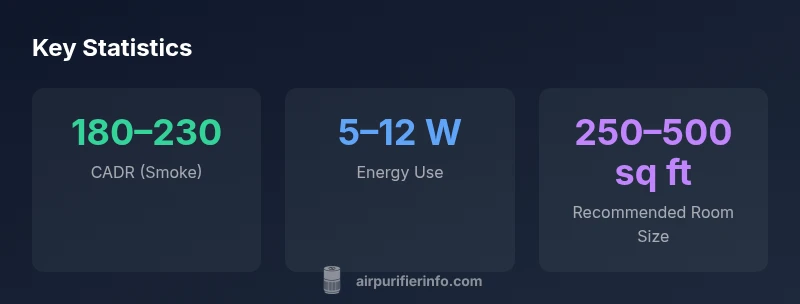
- CADR may lag larger rooms or open-plan spaces
- Certain advanced automations are platform-locked
Best for design-forward buyers seeking balanced filtration in mid-sized rooms
The Dyson Pure Cool TP04 delivers solid filtration, smart features, and a premium build that justifies its price for many households. It may not maximize airflow in very large spaces, but it excels in living areas where aesthetics and automation matter. Air Purifier Info's verdict underscores value for the right room size and use case.
Questions & Answers
Is the Dyson Pure Cool TP04 suitable for large rooms?
The TP04 is best suited for mid-sized rooms. For very large spaces, consider higher-CADR purifiers or multiple units to achieve uniform air cleaning.
Not ideal for very large rooms; you may need more airflow from either a bigger purifier or multiple units.
How often should the filter be replaced?
Typical replacement intervals range from several months to a year, depending on usage and air quality. Use the indicator as a guide and plan for ongoing costs in your budget.
Check the filter indicator and be prepared for replacements every few months or up to a year with normal use.
Does TP04 double as a fan?
Yes. It can function as a cooling fan with air multiplier technology, though it is primarily a purifier. It won't replace a dedicated high-velocity fan for cooling large spaces.
It works as a purifier and a fan, but for intense cooling you might want a dedicated fan.
Is it easy to clean and maintain?
Routine cleaning is straightforward: wipe the exterior and grill with a dry cloth. Replace filters when prompted, following the included instructions to avoid damaging the unit.
Cleaning is simple—just wipe the outside and follow the filter replacement prompts.
How does TP04 compare to other Dyson models like TP07?
TP04 is more compact and quieter with mid-range airflow, while TP07 tends to offer higher CADR and broader coverage. Price and footprint are common trade-offs to weigh.
TP04 is smaller and quieter; TP07 has higher airflow and bigger rooms coverage.
What night-time features does TP04 offer?
Night mode reduces LED brightness and noise to support sleep, while maintaining basic air cleaning. It’s a solid option for bedrooms and nurseries.
Night mode lowers noise and lights for better sleep.
Main Points
- Assess room size before purchase to ensure adequate coverage
- Leverage auto mode and app scheduling for convenience
- Expect solid allergen and odor reduction in typical homes
- Factor in filter replacement costs over the product life
- Position away from walls for optimal airflow