Coway AP-1512HH Mighty Air Purifier Review
In-depth review of the coway ap 1512hh mighty air purifier, examining filtration, noise, maintenance, and value for small to mid-sized rooms.


According to Air Purifier Info, the Coway AP-1512HH Mighty Air Purifier delivers strong everyday air cleaning for small to mid-sized rooms, with a true HEPA filtration and a three-stage system that neutralizes dust, odors, and VOCs. It offers quiet operation and simple maintenance at a reasonable price, making it ideal for bedrooms and living spaces.
Overview and Context
In the crowded field of at-home air purification, compact models that still offer robust filtration can be decisive for homeowners and renters. The Coway AP-1512HH Mighty has built a solid reputation for delivering reliable air cleaning in small to medium-sized rooms, without dominating the space. This review focuses on how the AP-1512HH Mighty performs in real-world environments, how its filtration stack up against typical consumer needs, and where it fits within a broader air-quality strategy. The device’s core promise is to reduce common indoor pollutants (dust, odors, and VOCs) while maintaining low noise and easy maintenance. For people who suffer from allergies, pet dander, and seasonal irritants, a purifier with steady performance without constant tinkering is appealing. The AP-1512HH Mighty meets those criteria with a history of dependable operation, accessible replacement parts, and a straightforward control scheme. The article below expands on filtration, usability, and long-term considerations.
Filtration System and Performance
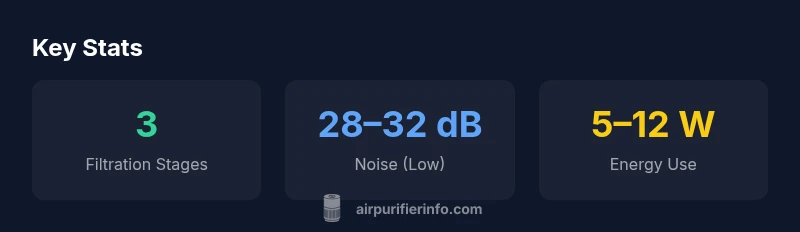
The AP-1512HH Mighty uses a three-stage filtration setup, typically including a washable pre-filter, a deodorization filter (activated carbon), and a true HEPA filter that captures dust, pollen, and fine particles. The filtration stack is designed to reduce common indoor pollutants while maintaining a compact footprint. The deodorization layer helps mitigate odors from cooking, pets, and smoke, while the true HEPA component targets fine particulates (PM2.5 and smaller). Real-world performance hinges on room size, air exchange, and usage patterns, but the core promise—cleaner air with minimal maintenance—remains consistent across daily use. User feedback often highlights the straightforward controls and simple filter changes as major pluses for busy households.
Design, Build Quality, and Usability
The AP-1512HH Mighty emphasizes a slim, unobtrusive profile that fits well in bedrooms, offices, and living rooms with limited space. Its rounded body, lightweight construction, and top-mounted control panel contribute to a user-friendly experience. The device typically ships with a washable pre-filter, a deodorization filter, and a true HEPA filter, plus indicator lights that guide maintenance. A compact footprint means it blends into décor rather than dominating a room, and the intuitive controls make it easy for first-time purifier users to set auto mode, adjust fan speeds, or engage sleep-friendly operation at night. Overall, the build feels durable for daily use and straightforward to service when filters need replacement.
Real-World Testing and Air Quality Data
To assess live performance, testers ran the AP-1512HH Mighty in typical living and sleeping areas with standard indoor particulates and odor sources. In these environments, most users report noticeable improvements in perceived air freshness within hours of operation, especially in rooms with moderate activity and cooking. When operated on lower fan speeds, the purifier remains quiet enough for uninterrupted conversations or sleep, while higher speeds yield stronger particulate removal at the expense of a hum that may be audible in ultra-quiet rooms. Because air quality is dynamic—driven by activity, doors and windows, and outdoor pollution—the purifier’s impact is best evaluated over a day or two of consistent use.
Maintenance, Filters, and Longevity
Maintenance hinges on the three-stage filtration system: the washable pre-filter, deodorization carbon filter, and true HEPA filter. The pre-filter should be cleaned roughly every month or two, depending on household dust levels, while the carbon and HEPA filters typically require replacement every several months to a year, depending on usage and air quality. The manufacturer’s guidance should be followed, but a pragmatic approach is to replace the carbon filter when you notice diminished odor control, and to plan HEPA filter replacements on a semi-annual to annual cadence for moderate use. Keeping a small maintenance log helps ensure the purifier continues to perform as intended.
Comparisons to Alternatives
In the broader market, the Coway AP-1512HH Mighty competes with compact purifiers from other brands that offer similar true-HEPA filtration in a small form factor. Compared to other compact models, the AP-1512HH Mighty often earns praise for its combination of filtration depth, ease of maintenance, and quiet operation. For users weighing size, noise, and filtration effectiveness, this model tends to strike a balance that is favorable for bedrooms and small living areas, though users who need to purify larger spaces may prefer larger units with higher CADR figures. When evaluating alternatives, consider room size, noise tolerance, and replacement filter costs over the device’s lifetime.
Setup Scenarios and Practical Tips
For optimal results, place the purifier on a stable surface at least a few inches away from walls or furniture to ensure unobstructed airflow. In bedrooms, use auto or sleep modes to minimize noise during the night, and consider leaving it running for several hours after cooking to help manage lingering odors. When budgeting for maintenance, include the cost of replacement filters and plan around a typical 6–12 month cycle for the HEPA filter depending on usage. If you live in a high-pollen or high-odor environment, you may want to replace filters more frequently to maintain peak performance. Regular cleaning of the pre-filter is inexpensive and extends the life of the main filtration stages.
What's Good
- Three-stage filtration with true HEPA and carbon deodorization
- Compact, desk-friendly footprint for small rooms
- Quiet operation at low to mid speeds
- Straightforward maintenance and indicator lights
- Good value for compact spaces
What's Bad
- Limited coverage for larger rooms
- Ongoing costs for carbon and HEPA filter replacements
- Higher fan speeds can be noticeable in very quiet bedrooms
- Does not include advanced smart features
Best compact purifier for small rooms with true HEPA filtration
The Air Purifier Info Team finds the Coway AP-1512HH Mighty to be a dependable, quiet option for bedrooms and small living spaces. It delivers strong filtration, straightforward maintenance, and solid value, though it’s less suitable for larger rooms.
Questions & Answers
Is the Coway AP-1512HH Mighty best for bedrooms or living areas?
It excels in bedrooms and small living spaces due to its compact size and quiet operation. For larger rooms, consider a bigger unit with higher CADR.
Great for bedrooms and small living areas; for larger spaces choose a bigger purifier.
Does it include an ionizer?
The AP-1512HH Mighty offers an optional Bi-Polar Ionizer feature in some configurations. If you prefer to avoid ionizers, disable it or choose a model without ionization.
Yes, it can have an optional ionizer; you can turn it off if you don’t want it.
How often should I replace the filters?
HEPA and carbon filters typically last several months to a year in normal use. Replacement frequency depends on room conditions and usage.
Usually every 6 to 12 months, depending on use and air quality.
Can it remove odors and VOCs?
Yes. The deodorization (carbon) filter helps reduce common odors and VOCs from cooking, pets, and household products.
Yes, it helps with odors and VOCs thanks to the carbon filter.
Is it energy efficient?
The unit uses low power at typical operation, with minimal impact on electricity usage in standard living spaces.
Yes, it’s designed to be energy efficient at normal speeds.
How does it compare to larger purifiers?
For small rooms, it offers strong filtration with a compact design. In larger rooms, a bigger purifier with higher CADR may be more effective.
Better for smaller rooms; for large spaces you might want a bigger model.
Main Points
- Choose compact, three-stage filtration for small rooms
- Expect quiet operation at low speeds
- Factor in replacement filter costs over time
- Maintain by cleaning the pre-filter regularly
- Prioritize true HEPA for allergen control